

CONSOLIDATED AGRICULTRUAL PROJECTS MANAGEMENT UNIT
FINANCEDD BY THE WORKD BANBK (CAPMU)
REPORT
ON THE PROGRESS OF THE
RURAL INVESTMENT AND
SERVICES PROJECT
AS OF DECEMBER 31, 2007
Developed by CAPMU management
Chisinau January 2008
ACRONYMS AND ABBREVIATIONS
ACSA
National Agency for Rural Development
ALRC
Agency for Land Relations and Cadastre
BCO
Branch Cadastral Office
CAPMU
Consolidated Agricultural Projects management Unit
CIS
Commonwealth of Independent States
DA
Development Agency
EIA
Environmental Impact Assessment
FAO
Food and Agriculture Organization of the United
Nations
FS
Frankfurt School of Finance & Management
GIS
Geographical Information System
GOM
Government of Moldova
LFA
Logical Framework Approach
LPSP
Land Privatization Support Project (funded by
USAID)
MAFI
Ministry of Agriculture and Food Industry
NGO
Non Governmental Organization
NGO
Non Government Organisation
PFI
Participating Financial Institution
PM
Project Manager
RDC
Rural Development Centre
RFC
Rural Finance Corporation
RISPII
Rural Investment and Services Project II
SCA
Savings and credit association of citizens
SDC
Swiss Agency for Development and Cooperation
SIDA
Swedish Development Agency
TCO
Territorial Cadastral Office
TL
Team Leader
USAID
US Agency for International Development
WB
World Bank
- 2 -
TABLE OF CONTENTS
RURAL INVESTMENT AND SERVICES PROJECT .............................................................4
PROJECT IMPLEMENTATIONPROGRESS AS OF DECEMBER 31, 2007...................... 6
RURAL EXTENSION COMPONENT ................................................................................ 6
ACSA NETWORK OF SERVICE PROVIDERS ...................................................................... 6
TARINING PROGRAM........................................................................................................... 6
SERVICES PROVIDED AND BENEFICIARIES .................................................................. 16
SPECIAL CONTRACTS........................................................................................................ 18
ELABORATING AND PUBLISHING INFORMATION MATERIALS................................. 20
PROMOTION ACTIVITIES .................................................................................................. 23
AGRICULTURAL MARKETING ......................................................................................... 25
IMPACT AND PERFORMANCE OF THE SERVICES PROVIDED ..................................... 29
MONITORING AND EVALUATION ................................................................................... 45
RURAL BUISNESS DEVELOPMENT COMPONENT ..................................................... 49
PROMOTION CAPMAIGN................................................................................................... 50
BUSIENSS CREATION......................................................................................................... 51
FINANCING OF RURAL BUSINESSES............................................................................... 54
MANAGEMENT INFORMATION SYSTEM AND M&E ..................................................... 56
POST-CRATION SUPPORT TO RBS.................................................................................... 57
ENVIRONMETAL TRAINING ............................................................................................. 58
RURAL FINANCE COMPONENT................................................................................... 59
CREDIT LINE IMPLEMENTATION PROGRESS ................................................................ 59
STRENGTHNING THE SAVINGS AND CREDIT ASSOCIATIONS INDUSTRY ............... 68
SAVINGS AND CREDIT ASSOCIATIONS' INVOLVEMENT IN MEDIUM AND LONG-
TERM INVESTMENT LENDING......................................................................................... 71
PILOT LAND RE-PARCELING COMPONENT ............................................................... 81
GENERAL DATA ................................................................................................................. 81
PROJECT ACTIVITIES IMPLEMENTED DURING THE INCEPTION PERIOD ................. 82
PROJECT ACTIVITIES......................................................................................................... 83
ANNEXES ........................................................................................................................ 104
RURAL INVESTMENT AND SERVICES PROJECT
PROJECT OBJECTIVES
The Program objective, which remains unchanged, is to provide long-term support to
accelerate agricultural recovery and growth so that Moldova's agricultural and rural
sectors can play their full role in providing the underpinnings for future income growth
and poverty reduction.
Within this program objective, the project's second phase objective is to continue to
foster post-privatization growth in the agricultural sector by improving access of new
private farmers and rural businesses to what they need to succeed legal ownership
status, knowledge, know-how and finance, while building capacity of public and
private institutions to ensure sustainability of activities. The Phase II will build on
success achieved under the Phase I, by: (i) strengthening and expanding the rural
advisory services; (ii) improving business skills of the to-be entrepreneurs and
assisting with the legal registration of the new businesses; (iii) upgrading the financial
sector environment through a range of risk management measures, such as
supervision capacity building, and introduction of new lending instruments such as
leasing; (iv) increase the commercial banking sector outreach into rural areas; and
(v) developing a practical approach to reducing transaction costs in land markets.
PROJECT COMPONENTS
The project consists of four components and the necessary financing for project
management:
(a) Rural Consulting Services;
(b)
Rural Business Development Services;
(c) Rural
Finance
Credit Line
Strengthening the SCA industry
(d)
Agricultural Land Re-parceling Pilot Projects;
(e) Project
Management.
The first two components provide predominantly technical assistance, while the third
component provides investment support along with the necessary technical
assistance to participating financial institutions, and technical assistance for
strengthening SCAs system and their supervision. The first three components are
closely linked, operating basing on synergy principles, with each dependent on the
others for successful outcomes.
- 5 -
PROJECT IMPLEMENTATIONPROGRESS AS OF DECEMBER 31, 2007
RURAL EXTENSION COMPONENT
ACSA NETWORK OF SERVICE PROVIDERS
The nominal composition of the ACSA rural extension Network has been constituted
based on the public contest for selecting consultancy Service Providers organized
and held by a Selection Committee in the period of 07 27 of November 2006. The
minutes of the Selection Committee final session (nr. 21 from 18th of January 2007)
has been approved at the Observatory Council meeting from 26th of January 2007.
ACSA is the executive unit for implementing the "Rural Extension Service"
component of the Rural Investment and Services Project (RISP II). In order to
implement this component for year 2007, ACSA has signed a Rural Consultancy
Services Contract with the Ministry of Agriculture and Food Industry on 19 th of
February 2007. Eventually, on 2nd of March, ACSA signed consultancy service
providing contracts for 2007 with 12 Service Providers and has extended the existent
contracts with 23 Service Providers.
In 2007, the ACSA Network was of 35 Service Providers, with nominal composition of
423 consultants, out of which: 348 local consultants and 70 regional consultants. In
addition, 5 regional consultants on agricultural marketing activate within the ACSA
network (SP Soldanesti, SP Edinet, SP Causeni, SP Hincesti si SP Calarasi).
During the report period, about 60 ACSA consultants, out of which 46 local
consultants and 14 regional consultants have cancelled their consultancy service
providing contracts because of different motives, as: uncompetitive salaries, leaving
for another job, leaving abroad, leaving from personal motives. The big majority of
Service Providers, when the public contest of filling in the vacant places was
announced, have selected and employed people, thus filling in the nominal
composition of the SP.
TARINING PROGRAM
The professional preparing of the local and regional consultants is a primordial
importance activity in the process of confirmation, extension and insurance of
agricultural consultancy informational services' quality. The training, advanced
training and development of consultant abilities within the Service Providers team is a
continuous activity and represents the basic priority of the ACSA executive direction.
The professional training process includes trainings organized by ACSA at national
level with the participation of instructors from scientific research institutes, superior
education and specialized consultants within the consultancy network, as well as at
- 6 -

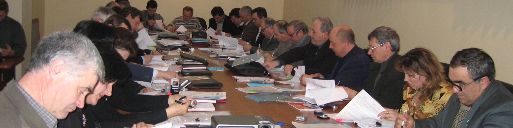
regional and rural community level with the participation of ACSA consultants and
specialists from departments subordinated to the local public administration.
The trainings organized and implemented by ACSA are established in significant
correlation the requirements of the Manual for implementation of the "Rural Extension
Service" Component of the RISP II Project and in concordance with the requirements
started form the field. Through the trainings organized, ACSA insures the technologic
and informational transfer of the local and foreign scientific agricultural
accomplishments
According to the training plan and schedule at national level for 2007, approved at
the Observatory Committee meeting from 26th of January 2007, during the report
period the following training programs have been organized and carried on:
The Module ,,ACSA Concept and the Contractual arrangements or 2007"
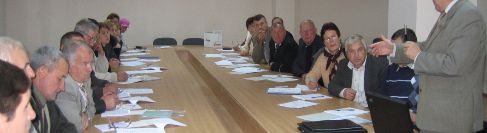
There has been organized a
one day seminar for all ACSA
project coordinators (35
coordinators). Within this
seminar, the project
coordinators have been
explained the ACSA concept,
the consultancy network
structure, the objectives to be
accomplished in the reference
year, activities to be
implemented, the modality of reporting and planning activities, monitoring local
consultants and other details necessary according to the contract for an adequate
activity of a SP for 2007. Service providing contracts for 2007 have been signed at
this seminar between 35 Service Providers and the Executive Direction of ACSA in
both Rumanian and English. Representatives of UCIMPA and the Ministry of
Agriculture and Food Industry have been present at the seminar.
The Viticulture Module
The training program in viticulture had a 3 days duration period anda volume of 24
hours. It was composed of 3 sections and the totalizing conference. 19 regional and
local consultants specialized in vineyards have participated at the training.
Planning an agricultural business. The duration of this section was of 8 hours and it
included the following subsections:
- 7 -
The structure and containing of a course thesis which included detailed discussions
about the mentioned work, its sections and their size, etc.;
The business plan and project implementation. This subsection included the following
type of questions:: ,,The necessity of planning an agricultural business. The planning
stages. The business project structure.", ,,The type of business project, scope and
objectives. The description of the agricultural operation involved in the business
project. Management and personnel.", ,,Production. The market and marketing
strategy.", ,,Financial resources necessary an those available. Risks and
opportunities.". The training had a practical-applicative nature. The audients have
convoked into 3-4 person groups. All teams had elaborated a business plan each
and then presented and discussed it. All training participants had received a set of
course materials in "Planning an agricultural business", elaborated with this aim.
Presenting a business plan. A local consultant has elaborated a course thesis
according to the previously specified requirements. The consultant has presented his
thesis in written and printed form. The theses presentation had been effectuated in
PowerPoint. After the presentation, the author has answered to his colleagues'
questions. The first part of the presentation has ended with the presentation and in
the same time the participants had the chance to get acquainted with the course
thesis identical in structure and volume with the one that they were to present in
future.
2.
The harmlessness of food products and EUREPGAP certification. This
section included the following question: "Introduction in the EurepGAP System", "The
EurepGAP System 14 sections", "Sections: Using fertilizers, Crop protection,
Harvesting, Product manipulation, Environmental problems, Course evaluation". The
section had a 8 hour duration. The participants received a set of informational and
training materials to be used during the daily work.
The peculiarities of grape productions in the conditions of 2007. This section has
been focused on the following subjects: starting new vineyard plantations, the crop
assortment, supplying different zones with good quality planting material, producing
planting material and requirements towards agricultural operations practicing this.
There have been discussed technological issues which have to be applied in the
existing plantations, operating yield giving plantations, systems of support for these
plantations. At the end of the course a totalizing conference was organized, where
participants at the meeting were invited, Valeriu Cebotari Chief of Department,
State Agency ,,Moldova Vin", Tudor Cazac Vice Director of the Institute of
Vineyards and Wine. There were discussed issues related to the development of the
branch and the role of specialized consultants in this direction. Special interest was
- 8 -

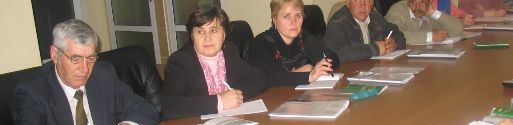
expressed at discussing the subsidizing of this branch, persons eligible for
subsidizing, minimal and maximal surfaces to be subsidized, subsidizing conditions,
the mechanism of preparing and resenting the documents necessary to benefit of a
state subsidy.
The Module ,,Agricultural Economy"
The training program for the module "Agricultural Economy" had a duration of 2 days
or 16 hours. It had 2 sections and a totalizing conference. 35 regional ACSA
consultants specialized in economy attended the training.
Planning an agricultural
business. Taxes in agriculture.
The duration of it was of 6
hours. This section had 3
subsections:
Direct taxes, presented by
Galina Spac, Chief of Direct
Taxes Department of the State
Principal Fiscal Inspectorate;
Local taxes, presented by Igor
Fondos, Vice Chief of the Local Taxes Department of the State Principal Fiscal
Inspectorate;
Indirect taxes, presented by Igor Lazari, Superior State Fiscal Inspector, Indirect
Taxes Department of the State Principal Fiscal Inspectorate.
2)
The mechanism of financing the agricultural sector. The duration of the
subsection was of 5 hours. It included two subsections.
The mechanism of subsidy distribution in the agricultural sector, presented by Tudor
Popa, Chief of Department, Ministry of Agriculture and Food Industry.
Investment project that activate in the rural area IFAD, RISP II, IREX, FISM, ecologic
Fund, etc., - discussions on opportunities access to financial sources offered by
these funds.
The training participants were prepared and offered an electronic version and on
paper of the regulation, initiation mechanism and model applications for preparing
and forwarding the materials necessary in accessing state granted subsidies.
At the totalizing conference was discussed about the growing importance of
economic issues within the range of services provided by the ACSA network and the
role of the consultant specialized in agricultural economy. It was also discussed
- 9 -
about the necessity of consultants' involvement in holding seminars related to
subsidizing the agricultural sector and offering consultative support to the
beneficiaries when filling in and forwarding the set of documents justifying the access
to a state subsidy.
The Seminar ,,Types of support and facilitations offered to agricultural
producers in 2007"
At the request of the Ministry of Agriculture and Food Industry on 20th of March 2007,
ACSA organized an additional national seminar on the topic of ,,Types of support and
facilitations offered to agricultural producers in 2007". All ACSA project coordinators
and 36 chiefs of regional and municipal agricultural Departments (mun. Chisinau)
have participated at the seminar. It took place and included the following topics:
The Policies of the Ministry of Agriculture and Food Industry in insuring agricultural
land consolidation. Types of support and facilitations offered to agricultural producers
in 2007. This topic was presented by Stefan Calancea, Vice Minister of Agriculture
and Food Industry;
The mechanism of subsidy distribution in the agricultural sector. Insuring risks in
agriculture, presented by Tudor Popa, Chief of Department of the Ministry of
Agriculture and Food Industry and Valeriu Cebotari, Chief of Department of the State
Agency ,,Moldova Vin".
The mentioned seminar has started the Informational Campaign for agricultural
producers with the program and mechanism of accessing subsidy funds for the
agricultural sector in 2007. As a consequence, after the national seminar, there have
been organized 35 regional seminars and 350 local seminars. With this aim,
informational and training materials in electronic version and on paper have been
elaborated and distributed. Within this program there have been distributed about 4
thousands brochures elaborated and published at the request of the Ministry of
Agriculture and Food Industry.
Module of ,,Bases of using a computer"
The training program plan ,, Bases of using a computer" had 40 hours which included
theoretical and practical lessons in a computer room of the Academy of economic
Studies. 24 consultants have attended this course.
Module of ,,Extension methodologies I"
This training module was organized and held for people who have been recently
contracted. The duration of the course was of 3 days, within which 105 ACSA
consultants have been trained using participatory methods.
- 10 -

Module of ,,Extension methodologies II"
The program was organized for ACSA consultants who have attended special
training courses. The duration of the program was of, and 20 ACSA consultants have
been trained using participatory methods.
Module of ,,Labor protection within SP"
The program was designed for ACSA project coordinators and had a duration of 3
days (16 hours) and was finalized by a test of knowledge accumulated in the domain
of labor protection and technical security. The participants have received certificates
of participation at the end of the training.
Module of ,,Basic training"
For local and regional consultants who have been contracted during 2007, in the
period of 22nd of October 3rd of November 2007, there has been organized a basic
training session. 28 consultants
have attended the training. The
training plan included a total of 94
hours, including lectures and
practical lessons 80 hours,
meetings and round tables 8
hours, testing the consultants 4
hours and totalizing conference
2 hours.
As trainers in the process of
training 44 persons have been
trained professors and
specialists in different branches of economy and educational and scientific research
institutes, including 2 academicians of the Science Academy of RM, 4 PhD's, 4
university professors, 15 doctors in science, university lectors, leaders of scientific
research institutes, agricultural operations, representatives of commercial banks and
NGO-s, etc.
Significant id the fact that along with instructors from agricultural institutions, as
trainers there have also been involved consultants from the ACSA network. As
trainers there have been trained the ACSA Coordinator on Research and Information
Anatolie Fala, ACSA project coordinators: Trofim Gavrilov (training in the domain of
vegetable production) SP Anenii Noi, Lilia Banuh (training in business planning) SP
Balti, Nadejda Svet (access to financial sources) SP Causeni, Larisa Vilcu (book
- 11 -



keeping and financial reports) SP Cantemir, Anelia Caraman and Gheorghe Golub
(training in legislation) respectively SP Soroca si SP Causeni.
The involvement of ACSA network consultants in the process of training shws the
level of preparing and professional capacities of ACSA specialists and allows to
answer more efficiently to questions asked by audients. Another positive side is the
increase in theoretical knowledge and practical abilities of trainers and encouraging
them to practice trainer
activities in the ACSA Network
as well.
The theoretical trainings have
been followed by multiple
practical lessons and field
visits at the Institute of
Scientific research for Corn,
Institute of Scientific Research
for Soil Science and
Agricultural Chemistry, the
agricultural enterprise for production, storage and selling apples, table grapes and
tree and vine planting material ,,Codru St" from Straseni region. The involved trainers
have prepared informational materials of practical and applicative type which have
been multiplied and distributed to all participants at the training (juridical issues,
economic issues, accounting, technological issues). The training schedule has been
elaborated according to the training plan modules. At the end of each module, there
were organized round tables with the participation of professors, persons of
responsibility from MAFI and other state institutions, commercial enterprises,
scientific research and educational institutes, NGO's, etc.
Within basic trainings there were organized 5 round tables at the modules of:: (1)
Marketing agri-food production and insuring with circulating means, (2) The
production technology of horticultural and wine products, (3) The technology of
producing animal products, (4) The technology of producing corn, vegetables and
potatoes and (5) The technology of producing field crops and forages. Totally there
were about 52 persons invited at the round tables, who were representatives and
persons with responsibility functions from the departments and subdivisions of the
Ministry of Agriculture and Food Industry, Scientific research Institutes (Pyrotechnic
Institute, the Institute of Research in Field Crops, the Institute of Vineyards and
Wines, Institute of Research in Fruit Production), leaders and representatives of
commercial companies and technical assistance projects from Moldova, etc. The
- 12 -



participatory study methods followed by meetings, discussions and totalizing round
tables of the module work have offered the possibility for exchange of opinions and
experience in the domains and initiate future collaboration relations.
At the end of the basic training, all consultants have taken a written test of assessing
professional preparing. The evaluation test included 139 questions of practical and
applicative type. The questions for the test have been prepared by professors
involved in the didactic process, and the subjects included topics that have been
discussed during these trainings. The test results of the regional and local
consultants have revealed a sufficient level of knowledge of the audients and their
capacity to face the requirements forwarded by potential clients, beneficiaries of the
extension service. The final evaluations are available at the ACSA Executive
Direction and are used in methodic scopes for improving training programs.
In order to evaluate the trainings organized by ACSA, all consultants participating
have filled in questionnaires. In their answers to the questionnaire questions, the
consultants have mentioned the fact that the training had been organized well, the
training topics and professors have been selected successfully and the training took
place in a participative and didactical-informative atmosphere.
Presenting course theses specialized in viticulture
The trainings specialized in viticulture for ACSA consultants have finalized with public
presentation of course theses within a Committee. In the composition of the
Committee there were co-opted representatives of the Institute of Vineyards and
Wine profile institution, MAFI, the Rural Extension Service Unit UCIMPA-MAFI,
Executive Direction of ACSA and ACSA Network (Annex 4).During 2 days of activity,
there have been presented 18 specialized theses (Annex 5).
The results accomplished by
consultants have been presented in
electronic version and printed on
paper, as well as PowerPoint
presentations with materials based on
facts, calculus of economic efficiency
and gross margin efficiency of the
business, figures with technological
elements and other auxiliary materials.
Specialized consultants, via
businesses and activities implemented, have familiarized the beneficiary consultants
and communitarian members with the possibility of obtaining quality production and
respectively improving incomes in the viticulture sector by: introducing new and
- 13 -

improved varieties of technical and table grapes; new types of managing a vineyard;
applying macro and micro fertilizers in basic and phased fertilizations, applying
integrated pest management; the possibility of starting new plantations by grafting
and re-grafting on place; reestablishing the plantations' production capacity via
diverse cutting systems; efficient modalities to value and sell the obtained product.
Presenting course theses specialized in fruit production
At the end of specialized trainings, consultants specialized in fruit production have
publicly presented their theses in front of a Committee in which there were co-opted
representatives of the Institute of Researches in Fruit Production profile institute,
MAFI, Rural Extension Service Unit UCIMPA-MAFI, ACSA and ACSA Network
Executive Directorate (Annex RAS 4). During 4 days of activity 34 specialized theses
have been presented (Annex RAS 6).
When presenting, there were
shown PowerPoint presentations
of the results registered by
consultants, as well as electronic
and printed versions of the course
theses, which include materials
based on facts, arguments and
economic calculus, figures
describing technological elements.
All technological elements
proposed to the beneficiaries by
the specialized consultants have been exposed through the prism of increase in
production efficiency and performing fruit production activities as a business within an
agricultural operation. The following innovative elements have been proposed in
order to obtain higher yields and make fruit production efficient within farmer
operations: new improved varieties of seeded species, walnuts, strawberries and fruit
shrubs; cutting and types of managing the crown; applying macro and micro basic
and phased fertilizations; applying integrated pest management; the possibility of
starting new plantations by grafting on place; reestablishing old plantations using
diverse cutting systems; argument the feasibility of the economic activity of virus free
fruit tree planting material; efficient modalities of valuing and selling the obtained
product.
The members of the Committee and particularly the representative of the Institute of
Research in Fruit Tree Production has proposed an idea related to including ACSA
consultants in the elaboration of projects and starting new horticultural plantations as
- 14 -

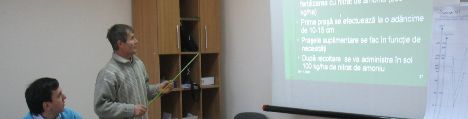

independent consultants. Another proposal implies that the implemented and
cultivated varieties of black currant based on the demonstration plot organized by CL
Victor Gandrabura from Cotujeni Mici, Soldanesti region to be forwarded to
homologation within the State Committee for Plant Varieties trials based on results
registered in the consultants experience years.
Presenting course specialized theses in vegetable production
The results of implementation activities performed by consultants specialized in
vegetable production, exposed in the course theses, have been presented by in
public within a Committee where there have been co-opted representatives of the
Institute of Field Crops profile institution, MAFI, Rural Extension Service Unit
UCIMPA-MAFI, Executive Direction of ACSA and ACSA Network (Annex RAS 4).
During 4 days of activity, 30 specialized theses were presented (Annex RAS 7).
The theses of the presented topics
have revealed business
implementation activities and new
technological elements in the
domain of vegetable production in
the basis of economic agents
supported and guided by ACSA
consultants. The public
presentations and activities
implemented in the service area
have confirmed the usefulness and
performances achieved by consultants specialized in applying new technologies as:
improved varieties and hybrids of diverse vegetable species, producing early and
extra-season vegetables; practicing intercalated and successive crops; using
irrigation and fertilizing; pest and diseases plant protection; valuing vegetable
production. All these technological elements have been conceived by estimating
economic efficiency of taken measures and the performing of the vegetable
production by beneficiaries as a economic activity and a sustainable source of
income in the rural area.
The members of the Committee highlighted the practical applicability of the theses as
businesses and have mentioned the possibility of extending these positive
experiences in the activities of all consultants in the coverage areas. Some new
technological elements and the modality of business management in the presented
areas, highlighted and proposed by ACSA consultants, have interested the
- 15 -
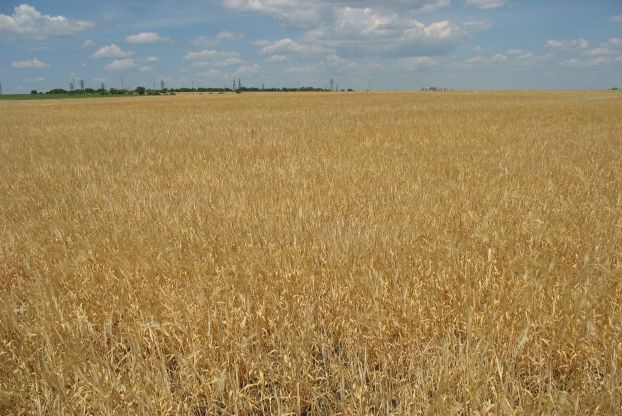
representatives from profile Scientific Research Institutes and, at their proposal, it
was agreed to undertake them in both production and science.
The representative of the Institute of Field Crops has proposed the tests vegetable
species and hybrids based on long term demonstration plots organized and managed
by ACSA consultants in order to see the behavior and final results of implementing
these species.
SERVICES PROVIDED AND BENEFICIARIES
The consultative services offered by local and regional ACSA consultants are
provided according the minimal set of services stipulated in the standard contract and
include technologic, economic, juridical and agricultural marketing domains. The
topics of the offered
Structura serviciilor de consultan ACSA.
consulting services
Ianuarie - Decembrie 2007
result from
Consultaii
verbale
problems and
80%
issues undertaken
Seminare
and solicited from
2%
agricultural
Consultaii
producers and rural
īn scris
1%
entrepreneurs or
Īntruniri
Mese
Vizite
identified by
2%
rotunde
13%
2%
consultants. The
measures
undertaken by consultants have an aim to satisfy producers' necessities and
expectations in terms of solving these problems and as a result improve incomes in
agricultural and entrepreneurial activities practiced by the beneficiaries. Detailed
information related to the number of services provided by the ACSA network and the
number of consulting service beneficiaries is presented in Annex RAS 1 and 2 as a
result of the conditions in 2007.
During the report period, ACSA network consultants have provided app. 187795
consulting services of which 3167 seminars, 1888 written consultations, 3946 round
tables, 3473 meetings, 24622 field visits and 150699 verbal consultations. A Service
Provider has offered in average app. 5366 consultation services, the maximal
number being registered by the Balti Service Provider (SP of 12 consultants) 9637
services, and the minimal, by the Basarabeasca Service Provider (SP of 7
consultants) 2469 services (Annex RAS 1).
During the report period, 352705 beneficiaries, including repeated clients constituting
25432 persons (7,2%), have benefited of ACSA network services. The maximum
- 16 -

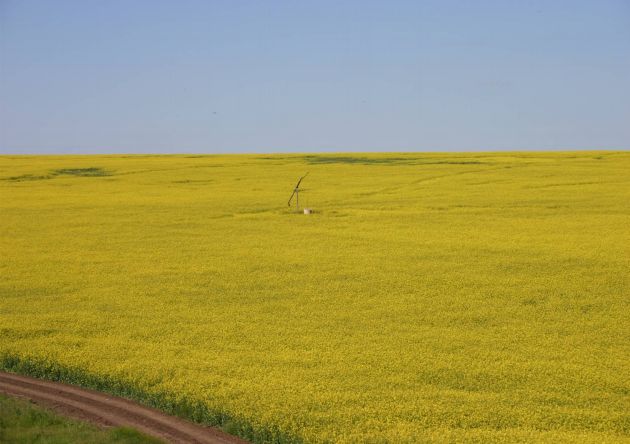
client number was registered by the Cantemir Service Provider (SP of 14
consultants) 19030 persons, and the minimal number was registered by the
Basarabeasca Service Provider (SP of 7 consultants) 4878 persons. A Service
Provider has in average 10077 clients who have benefited of consultancy services
during the report period. (Annex RAS 2).
Within the provided
Structura dup domenii de servicii consultative
consultancy
acordate de Reeaua ACSA.
Ianuarie - Decembrie 2007
service, the first
place is held by
technologic type of
Marketing
Economice
17%
services (59%),
12%
followed by
agricultural
marketing (17%),
Tehnologice
Juridice
59%
economic (12%)
12%
and juridical (12%).
The number of
beneficiaries and
services provided differs from a provider to another depending on the number of
consultants within a team, experience and level of training, service providing
modality.
The beneficiary
number analysis
Structura solicitrilor de servicii consultative de
according to the
ctre beneficiarii Reelii ACSA.
Ianuarie - Decembrie 2007
modality of service
providing reveals
Seminare
Consultaii
the fact that the
16%
verbale
majority of
39%
Īntruniri
extension service
5%
clients,
approximately 60%
Mese
Consultaii
rotunde
Vizite
īn scris
have benefited of
10%
29%
1%
group consulting
which represents
19% f the total services provided and the other 40% are individual services (81%).
- 17 -
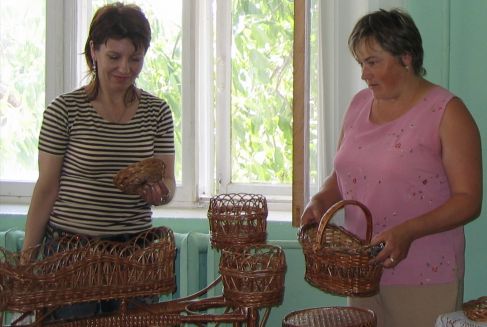
SPECIAL CONTRACTS
When Service Providers identified the necessities and interest of agricultural
producers, collaborating with experts in the domain from agricultural research and
education institutes, MAFI departments and inspections, means and services supply
companies, they have elaborated and presented a 168 proposals of mini-projects for
a competition.
The majority of Service providers have forwarded 3-4 project proposals, except SP
Sangerei, SP Anenii Noi, SP Orhei who had 6-7 project proposals.
In comparison with previous years, the number of mini projects related to field crops
has considerably gone down. As a consequence, the number of those related to
production of vegetables under protected areas and open field, growing mushrooms
in adapted conditions, growing rabbits in home conditions and fish in pond, the
animal breeding sector development, handicraft and rural tourism have increased.
Based on the proposals mentioned in 2007, the selection Committee has approved to
finance 72 mini projects, later signed as special provided services contracts.
Based on field visits, the ACSA executive direction together with Service Providers,
exterior consultants and beneficiaries, have set activity plans for all involved parties
and based on them, to insure a convincing demonstrative level at the respective
convocation steps of seminars or other training-informational activities according to
contractual conditions. The necessities have been established and seeding and
planting material, equipment and tools procured to insure the execution of respective
technologies on the demonstration plots.
The special service providing contracts have been implemented by 33 out of 35 SP.
Because of the fact that project proposals have not been innovative and their optimal
implementation term has been passed, these types of contracts have not been
approved for SP Cimislia and Leova. The majority of Service Providers have
implemented 2-3 contracts each, SP Orhei si Ocnita - 4 contracts each and 8 SP
(Calarasi, Donduseni, Briceni, Straseni, Basarabeasca, Balti, Taraclia, Comrat) have
implemented only a special
contract each.
Out of 72 special contracts
approved, 42 have been designed
for plant production, 24 for the
animal breeding sector and 6 for
the non-agricultural sector of the
rural area. Those 33 for field crops
- 18 -
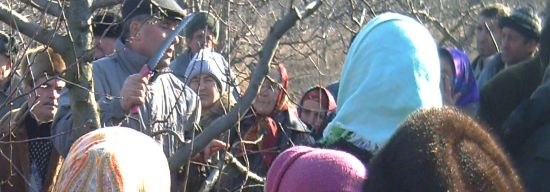

have been oriented to the promotion of advanced elements or technologies for
producing vegetables, fruits, berries and respectively 2 and 7 for growing flowers and
mushrooms. The special contracts in the animal breeding sector included keeping
and reproducing bulls (4 contracts), sheep (4 contracts), swines (2 contracts), quails
(2 contracts), rabbits (7 contracts), fish (3 contracts) and bees (2 contracts).
The non-agricultural projects included the domains of handicraft (5 contracts) and
rural tourism (1 contract), thus demonstrating the possibilities of creating new work
places and advancing the sustainability of incomes in the rural area.
As in previous years, the beneficiaries of demonstration plots within special contracts
have offered ACSA service providers 3 ponds with a total surface of 16,2 ha, 7 mini
farms with 946 rabbits, 4 farms with 530 sheep for effectuating the training-
informative process of the report year. For the same aims, there were funded with
mutual agreement 4 handicraft workshops, 1930 m2 of rooms for producing
mushrooms in adapted conditions, as well as 2,1 thousands m2 of greenhouses in
which vegetables, flowers and ornamental plants were produced.
The consultants from the territory, during the informative-training process have as
well used, 1153 demonstration plots as a result of special contracts signed in
previous years and identified from the experience of the villagers-beneficiaries of
their services. These included over 1314 ha of vineyards, orchards, berries and
ornamental plants, 2,4 thousands ha of field crops, 11 lakes of 70 ha in total, 40
apiaries with app. 2,1 thousands bee hives, 176 farms with 7,6 thousands cattle,
sheep, swine, 162 poultry farms with 56 thousands heads, 71 mini farms with 3
thousands home rabbits.
As experts at setting the demonstrative plots and instructors for seminars and other
training-informative activities, there have been involved app. 80 employees of
agricultural research and education institutions, departments of MAFI and state
inspectorates, international projects and NGO's, ACSA network consultants
specialized in diverse
domains.
Because of the fact that
during the autumn of
previous year and winter
of the report year,
precipitations were absent
for a quite long time and
temperature has been
rather high, at the
- 19 -



recommendation of MAFI, based on four contracts of the period January-February
2007 and with the involvement of republic level experts and profile institutions
researchers, ACSA organized seminars with on the topic of "Peculiarities of fruit and
berries production in conditions of year 2007". At their turn, local and regional ACSA
consultants have also organized this type of seminars in their service areas. The
scope of performed activities and trainings was training fruit producers from Moldova
and getting them acquainted with the principles of starting, forming and cutting fruit
trees, the drought climate specifics and forecasting quality fruit yield for fresh
consumption and for storage.
Totally, within implementing all
72 special contracts in the
report year, there have been
organized 715 seminars, field
visits and other activities at
which 9,3 thousands
agricultural producers and
habitants from the ACSA
Service Providers areas have
participated.
The information regarding
works performed on demonstration plots and other informative-training activities have
been elucidated in 93 articles in republic, regional and local level newspapers, 28
national and regional TV programs, 11 TV reports within the Mesager and Curierul
Agricol Programs, 47 radio programs at national and local level radio stations.
General information on special contracts implementation during the report year can
be found inAnnex RAS 3, and examined in details at the ACSA Central Office and
those 35 SP Centers.
ELABORATING AND PUBLISHING INFORMATION MATERIALS
The work effectuated by ACSA in elaborating and publishing informative materials
implies insuring consultants with quality informational sources oriented to improving
the consultants' professional level, insuring access to information and advanced
experience for agricultural producers and rural entrepreneurs.
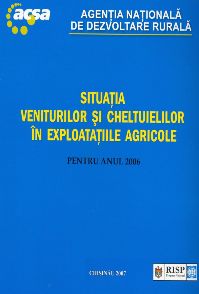
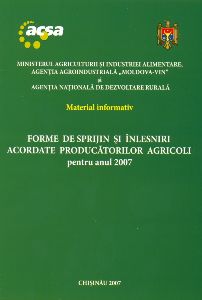
In 2007, ACSA has elaborated and published 3 practical guides "Situation of Incomes
and Expenses in agricultural operation in 2006" (200 copies), ,,Poultry Business"
(2000 copies), "Swine Growing Business" (2000 copies) and the brochure ,,Forms of
Support and Facilitations offered to agricultural producers for 2007" (4000 copies).
- 20 -
The informative materials have been published in a total number of 8200 copies
(table 1). The publishing of these informative materials has been financed from RISP
Project financed by the World Bank and the ACSA renewable fund.
The practical guide "Situation of Incomes and Expenses in agricultural operation in
2006" and the brochure "Forms of Support and Facilitations offered to agricultural
producers for 2007" have been focused on familiarizing extension consultants and
agricultural producers with the opportunities of facilitating efficient use of circulating
means for obtaining a high profits from products of 20 sectors from republic of
Moldova and the possibilities of obtaining financial means offered by the State
Budget for 2007 for priority agricultural sectors subsidized, as are facilitations and
fiscal support for this year. Both informative materials having a promotion scope have
been offered and distributed to ACSA consultants, Ministry of Agriculture and Food
Industry, its subdivisions as well as Regional Agricultural Departments, agricultural
producers and rural entrepreneurs for free.
Table 1
List of Informative Materials published by ACSA in 2007
Number
Nr. Name
Author
of copies
Situation of Incomes and Expenses
1
in agricultural operation in 2006
ACSA Agrex NGO
200
Forms of Support and Facilitations
offered to agricultural producers for
2
2007
ACSA - MAFI
4000
I. Petcu, N. Starciuc, I.
3 Poultry
Business
Scutaru
2000
V. Harea, V.
4 Swine Growing Business
Radionov, I. Rotaru
2000
TOTAL
8200
Practical guides "Poultry Business" and "Swine Growing Business" are meant for
producers and rural entrepreneurs who wish to start a business in these domains.
The publications tell about implementing the business through the following aspects:
economic (with arguments on investments necessary to start model farms and
estimating modalities of obtaining profits), technologic (advanced technologies of
growing-maintaining), marketing (supplying with production means, selling the
- 21 -
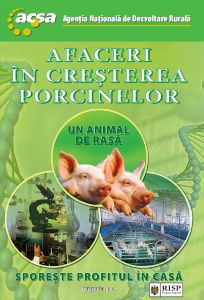
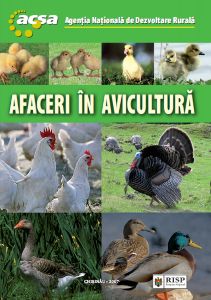
produce) and ecologic (avoiding environment pollution from the sectors of
production).
According to the regulations of distributing informative materials, 25% of these 2
practical guides (1000 copies in sum of 30335 lei) shall be used for equipping Sp
offices, ACSA promotion activities (round tables, republic and international level
meetings,
exhibitions, agricultural libraries), MAFI departments, agricultural research and
education institutions, international projects, etc. The most part of the published
guides shall be sold (75%) through service providers (3000 copies in sum of 123
thousands lei, at the price of 41 lei/copy). Their eventual sale covers all costs for
elaborating and publishing the guides.
During 2007, for equipping 35 SP, 2987 copies of informational material edited by
ACSA in 2006 have been offered for free at the beginning of 2007 (5 titles, "Milk
Production Business", "Vegetable Production Business, Part II", "Valuing Fruits and
Vegetables", "Situation of Incomes and Expenses in Agricultural Operations for 2006"
and the brochure "Types of Support and Facilitations Offered to Agricultural
Producers in 2007"), as well as 1960 copies of guides edited by ACSA in
collaboration with PCPA Project (2 titles, "Environment Friendly Agricultural
Practices" and "The Management of nutrients, organic wastes and soil protection").
In promotion and equipping scopes, the Ministry of Agriculture and Food Industry, its
subdivisions, as well as Regional Agricultural Departments, were offered 2065 copies
of the informational materials.
3615 copies of informative materials published at the end of 2006, were offered to SP
or sale. Incomes from informative materials sales form the ACSA renewable fund and
is exclusively used for the elaboration and editing new informative materials and
ACSA promotion activities.
At the beginning of the year, within the national Campaign of bird flue prevention
organized by UNICEF, ACSA has insured the distribution of informational materials
- 22 -
to institutes and public places from service areas. The SP Centers have distributed
free of charge app. 13500 posters (the posters' topic in Rumanian and Russian was
"Wash your hands with soap more often", "Protect the birds, protect your family",
"Cook the bird meat with care") and app. 254000 folders (the topic of the folders in
Rumanian and Russian was "Protecting the family from the risks of contamination
with bird flue").
Access of ACSA consultants to new achievements in science, agriculture and
investments
In scopes of informative-consulting support and familiarizing agricultural producers
and rural entrepreneurs and extension consultants with news in technology, economy
and agricultural marketing, Service Providers have been sent (by e-mail) informative
notes related to: assortment of new species and hybrids of recently homologated
plants for reproduction in Moldova; advanced technologies of growing agricultural
crops: cereals, autumn rapeseed, berries and horticultural crops; technologies of
growing-maintaining domestic livestock; using mineral fertilizers at growing autumn
cereals; types of conditioning phytosanitary products and preparing work solutions;
protection measures in the process of working with agricultural equipment and when
applying and preparing fertilizers and phytosanitary products; access to the
guarantee and investment funds; obtaining financial sources from banking institutions
and national and international projects which activate in the country (The 3rd Step of
the Program for support and development of the small and medium enterprise sector
Government of Japan and MEC, TeleFood Project - FAO-MAFI, FISM, ProCredit,
IMC Leasing, FNAIC, MicroInvest); control of drought consequences and necessary
technological measures to diminish the negative impact; species and hybrids of
agricultural crops that have shown resistance to arid environment conditions; sources
of supply with seeding and planting material (all groups of crops grown); economic
efficiency calculus in cereal crops and other operative information demanded by
ACSA consultants and beneficiaries.
PROMOTION ACTIVITIES
Mediating consultancy activities and performances registered by beneficiaries
represents the most efficient modality to promote the image of the rural extension
service. At national, regional and rural level, any cause is used to familiarize the
beneficiaries, public administration and civil society with the activity of the ACSA
office and its Service Providers. The measures taken by the rural extension service
consultants contribute to the advancing of transparency and efficiency of the
accomplished activities, increases credibility and accessibility to the offered services.
- 23 -
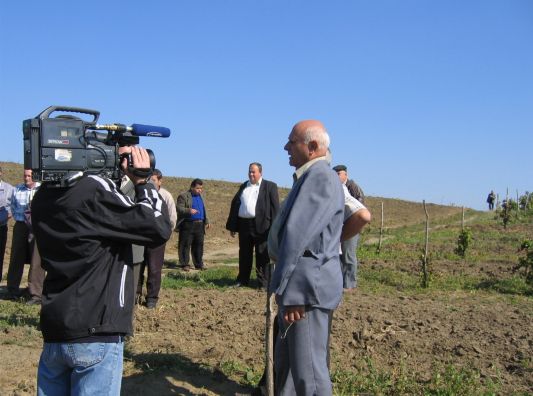
Al national and local level, have been published app. 283 newspaper articles
(Moldova Suverana and Curierul Agricol Chisinau, ,,Curierul de Nord" Edinet,
,,Cuvantul" and ,,Farul
Structura activitilor de promovare desfurate de ACSA.
Ianuarie - Decembrie 2007
Nistrean" Rezina and
Articole īn pre sa
Articole īn pre sa
Soldanesti, ,,Calarasi" and
Naional
local
23 art.
260 art.
,,Opinia" Calarasi, ,,Est Curier"
Criuleni, ,,Accent provincial"
Balti, Falesti and Glodeni,
Alte activiti de
"Patria mea" Falesti, ,,Campia
promovare
Reportaje la
72 activ.
Radioul Regional
Glodenilor" Glodeni,
51 rep.
,,Drapelul Muncii" Anenii Noi,
Emisiuni TV
Reportaje la
Emisiuni TV
Naional
Radioul Naional
Regional
,,Curierul de Hincesti"
45 secv . TV
115 rep.
52 secv . TV
Hincesti, ,,Plaiul Orheian"
Orhei, ,,Real Sud" and ,,Transparenta" Cahul, ,,Agenda Locala 21 Verejeni" Telenesti,
,,Gazeta de Vest" Nisporeni, ,,Staseneanca" Straseni, ,,Cuvantul Liber" Cantemir si
Leova, ,,Plai Singerean", ,,Ecoul Nostru" "Vocea Fermierului", Singerei, ,,Bussines
Info" Leova and Cimislia, ,,Prier" Stefan Voda, ,,Lumina" Taraclia, ,,Vesti Gagauzii",
,,Znamea" and ,,Novoe Vremea" UTAG, ,,Evenimentul Actual" Riscani, ,,Observatorul
de Nord" Soroca, ,,Pasul Nou" Donduseni).
Also, 166 reports have been emitted at national and local level radio stations
(National Radio Station, Municipal Radio Stations from Straseni, Edinet, Ocnita,
Cahul, Calarasi, Balti, Glodeni, Cimislia, and radio programs on National Radio -
Radio Matinal, Panorama Zilei, Unda diminetii, Actualitati, Buna dimineata fermieri,
Ora pranzului, ), 97 television sequences (TV Gagauzia;
Floresti TV; TV-6 Balti; ART TV Straseni, TV Causeni, TV Ungheni, TV Elita Orhei,
Soroca TV, Cimislia TV, TV
programs at national TV
channels - ,,Curierul agricol",
,,Mesager", ,,Bastina" TV Moldova
1, NIT) which have shown the
consultancy activities
implemented by the ACSA
Network.
ACSA Service Providers widely
use possibilities of promotion of
their activities via self-elaborated
informational sources. SP Ocnita, Orhei, Causeni, Cantemir, Glodeni, Rezina and
Sangerei have elaborated short movies and advertisements which reflect the
- 24 -

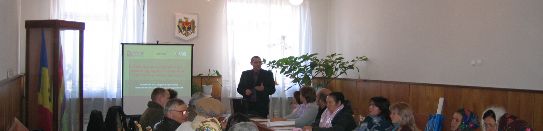

performed activities and services, team formation. Service providers have elaborated
and published 18 informative bulletins, 29 prospects and folders; 18 informative
billboards have been elaborated and placed.
In the reference year, ACSA has launched the Agricultural Marketing Information
System which has the aim to supply operative information in the domain for all
agricultural market operators from Moldova. In order to promote the Agricultural
Marketing Information System, ACSA has organized and held a launching seminar
within the specialized international exhibition ,,Farmer 2007" and 4 promotion
seminars in Drochia, Sangerei, Causeni and Cantemir regions. Within these
seminars participated app. 260 persons, including representatives of MAFI, Regional
Agricultural Departments, agricultural producers and rural entrepreneurs, national,
regional and local mass-
media. SIMA launching was
mediated through the Press
Agencies ,,Ifotag",
,,InfoMarket. MD", Moldpres
MD", TV programs of
Moldova (Mesager), NIT
and TV Singerei, National
Radio, ,,Moldova Suverana"
and ,,Curierul agricol",
,,Cuvantul Liber" Cantemir
and ,,Plai Singerean"
Singerei newspapers.
The majority of ACSA Service Providers, in collaboration with the Local Public
Administration and Regional Agricultural Departments have actively participated in
organizing regional exhibitions and competitions within ,,The Yield Day", ,,Wine
Festival", ,,Vegetable Producer's Day", ,,The Farmer's Day", local religious
celebrations in rural areas and towns. These activities have allowed them to present
their accomplishments and to encourage their beneficiaries to follow the example of
the most advanced agricultural operations tutored by them.
AGRICULTURAL MARKETING
The support of the ACSA network for the implementation of agricultural marketing
activities has been provided by 5 regional consultants from the following Service
Providers: Causeni, Hincesti, Calarasi, Soldanesti and Edinet.
Agricultural Marketing consultants have provided, in the reported period, advisory
service to 6670 beneficiaries. The on-line, live data has bee provided to both,
- 25 -

marketing consultants and rural entrepreneurs. With joint efforts of local and regional
consultants, the following advisory activities have been organized: 35 thematic
seminars, 75 round tables (hosting at ones both, agricultural producers and
agricultural input suppliers), 93 meetings with formal and informal marketing groups,
109 field visits (for identifying the agricultural input needs as well as the potential
markets for fresh fruits). During the upper mentioned activities, marketing consultants
have provided m1873 verbal and 219 written consultations.
The topics of the advisory services have referred to: agricultural inputs supply and
demand (suppliers, distributors, agricultural producers and rural entrepreneurs) and
marketing of agricultural production (retail markets, wholesale markets, etc); quality
requirements on seeds and seedling material; prices on national markets (including
those of processing industries) and promotion methods of the agricultural products
within the marketing chain. The following are some topics of the group activities
implemented by Regional Marketing Consultants (RMC): "Quality requirements and
supply of sunflower and maize seeds". "supply of drip irrigation systems for vegetable
plots", "marketing of early vegetables grown in greenhouses and solariums", "use of
different packaging for selling fresh fruits within the marketing chains", "Quality
requirements for fresh fruits and vegetables". In addition, RMC are helping
agricultural producers on conclusion of long-term contracts with processing industries
or wholesalers.
The activities of the RMC organized together with the national marketing coordinator
have led to the following results:
- The creation of 71 informal marketing groups and managing the activities of one
marketing cooperative (Causeni) and one service provision cooperative
(Soldanesti), created previously;
- A professional
Structura vānzrilor produciei agricole mediate de
compartimentul de marketing agricol ACSA.
association has
Ianuarie - Decembrie 2007
Produse horti-
been created
Produse
viticole
legumicole
6 039 367 lei
the Association of
2 287 084 lei
animal breeders
from Causeni,
Animale i
that has the aim
produse
animaliere
to supply its
2 761 738 lei
members with
Alte vīnzri de
Produse
produse
fitotehnice
pure breeds and
agricole
8 841 440 lei
150 000 lei
support the
business in this
- 26 -
field in Causeni region;
- The support in concluding contract for selling the agricultural production with a
total value of about 20 mil lei, including: 1215 t of cereals, 550 t of sunflower and
rape seeds, 508,7 t of vegetable seeds, 528 t of vegetables, 138 000 seedlings;
872 t of fruits, 386,5 t of grapes and 28,2 fruits trees; 1003 breed animals, 21500
poultries, 127500 t of meat and 7,6 t of fish; others 150 000 lei;
- The support in concluding input supply contracts with a total value of around
9,497 mil lei, including: 233,3t of vegetable seeds, 373,5 t of mineral fertilizers,
12,9 t of sanitary production, 14,7 thousands of pruned vines, 174,5 thousands
seedling of vegetable crops, 26,8 thousands of fruits trees, 37 pure breed
animals, 2970 poultries; 25 agricultural equipments; 157,8 t of fuel and other
inputs valuing 147 000 lei.
With the help of the
RMC formal and
Structura procurrilor de imputuri agricole mediate de
compartimentul de marketing agricol ACSA.
informal marketing
Ianuarie - Dece mbrie 2007
groups have been
Echipament
Alte procurari
Semine de
created, as well as
agricol divers;
229 795 lei
culturi agricole
1 733 280 lei
2 357 420 lei
rural collection point of
Carburani i
Material sditor
fruits and vegetables
lubrifiani
i rsad
1 539 687 lei
507 995 lei
for further processing
Animale de
prsil, psri i
or selling on wholesale
fam. albini
163 450 lei
Produse
Īngraminte
markets in Soldanesti,
fitosanitare
1 467 271 lei
1 497 635 lei
Rezina, Orhei, calarasi,
Causeni, Edinet and
Hincesti. Agricultural producers have been provided support to identify input
suppliers for the seeding of winter cereals.
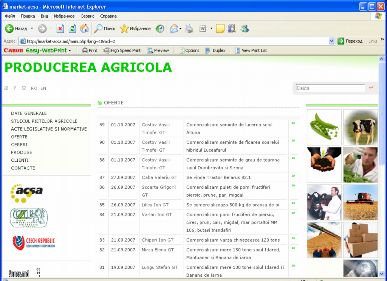
ACSA has created an on-line Agricultural Market Information System (AMIS), which
was officially launched in October 2007 on the web page http://market-acsa.md
"Agricultural production". AMIS is an on-line information system, integrated with a
Data Base (more than 4500 agro food economic entities) that allows beneficiaries to
obtain live marketing data.
- 27 -
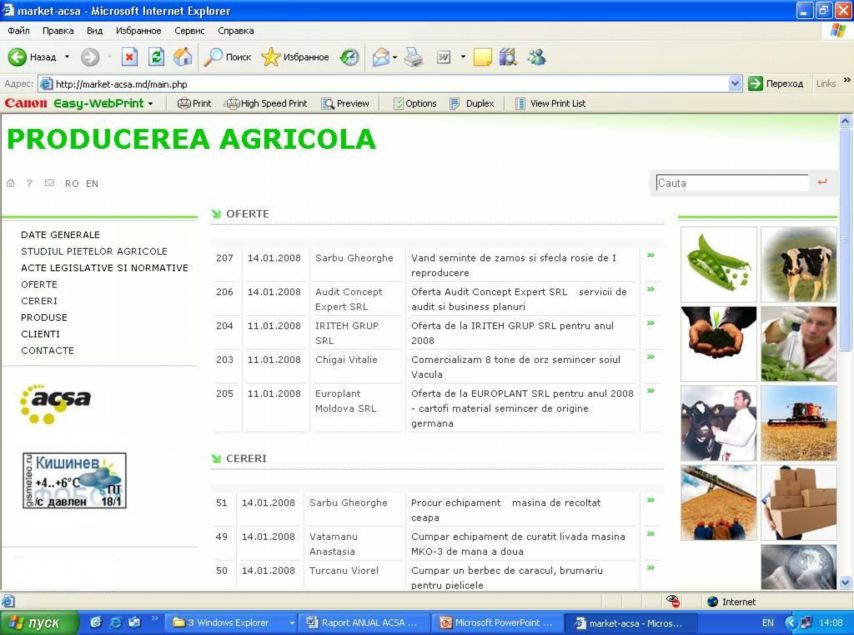
Thus, by the means of AMIS 293 supply offers and 71 demands have been placed
into the system.
In more details, AMIS has hosted in the reported period supply and demand on:
a. 1460 t of cereals, out of which 804 t of wheat, 221 t of barley, 435 t of maize;
b. 109 t of oil-bearing/producing plants, out of which 78 t of sunflower and 31 t of
rape;
c. 2043 t of vegetables: cabbage group 345 t, tomatoes 1010 t, potato 630 t,
onion 43 t, carrot 15 t;
d. Fruits and berries 718 t, out of which 456 t of apples, cherries 100 t,
strawberries and other berries 160 t, prunes 2 t;
e. 125 t of table grapes and 230 t of technical ones;
f. Vegetable seedling material 280 000 seedlings, 10350 kg of onion seeds,
1280 kg diverse vegetable seeds;
g. 770 animals for meat, including 505 sheep, 213 pigs and 52 cows;
h. 166 beehives with colonies of bees and 8320 kg of honey;
i. 77 agricultural transport means and equipment, including 26 tractors, 18 cars,
12 sowing machines, 4 irrigation equipment, 7 ploughs, 3 cultivators, 2
equipments for fertilizers, 2 combines and one mower;
j. 1345 t of mineral fertilizers and other different sanitary production;
k. Supply of different mechanized services, accounting and audit services, as well
as services offered by diverse scientific research institutes from Moldova.
- 28 -
ACSA has developed 26 agricultural markets studies in the reported period which
have been placed on the AMIS and also distributed to all consultants of the ACSA
network. Market information available at the agricultural marketing department of
ACSA is being collected on the basis of interviews with agricultural producers and
sellers from the 6 main agricultural markets in Moldova: the central wholesale market
from Chisinau, agricultural and wholesale markets from Edinet and Soldanesti (North
region), Calarasi and Hincesti (Central region) and Causeni (South region). The
market studies are being developed fro 128 agricultural products, out of which 30 are
vegetables, 23 fruits, 25 cereals and 50 animal.
The update of the information in the AMIS is done daily. The statistics from the AMIS
show that around 20-25% of the demand and supply placed on-line is meeting the
partners and the transaction are being concluded. The information placed on the
Web:"" Agricultural production" is used directly by the 4500 clients if the AMIS, but
additionally, ACSA network is distributing the information to those approximately 350
thousands beneficiary of the extension system.
IMPACT AND PERFORMANCE OF THE SERVICES PROVIDED
The main objectives of the services rendered by the rural extension network aim at
an advanced technological level, high level of knowledge and increased revenues
from the activities undertaken by the beneficiaries in the context of sustainable
development of rural communities. Advisory services and activities implemented by
Service Providers in the reported period have been directed to and contributed to the
process of solving the problems agricultural producers and rural entrepreneurs face.
Rural advisory centers' activities ensure the innovative technological transfer to the
rural population, and is contributing to diversification of the activities and generation
of new opportunities of investments for rural development. The technological
advisory support provided by to the agricultural producers has helped them, despite
the severe drought from 2007, to strengthen the qualitative and quantitative
production indicators and to have access to credits and state subventions in
agriculture. The advisor have also supported them to buy necessary agricultural
inputs and sell the final product by initiating new business activities in both,
agricultural an non-agricultural sectors.
The impact if the activities of advisory services can be also related to the results
agricultural producers obtained after being provided with respective consultative
support. The following are some performance indicators and success stories of the
activities of Service Providers.
- 29 -

THE IMPACT OF THE SERVICES PROVIDED
Technological impact
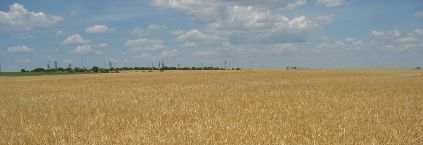
During the reported period, the beneficiaries of the extension service have grown
cereals and vegetables on 242 thousands ha, including: 69287 ha of wheat, 25293
ha of barley, 66096 ha of maize, 11730 ha of Soya been, 2801 of green peas, 45066
ha of sunflower, 7191 ha of sugar beet,
285 ha of tobacco, 6872 of alpha-alpha,
7025 of rape and 600 ha of beans. The
effects of the drought in 2007 have
influenced negatively the yields of the
main field crops, with an average of
(t/ha): : 1,2 - 1,6 for cereals ; 1,2 1,3
for maize; 0,5 1 vegetables; 0,8 0,95
for sun-flower; 1,4 2,2 for rape; 23 26
for sugar beet. Still, those beneficiaries who have followed rigorously the
technological advice of the consultants and implemented all procedures timely,
including irrigation, have obtained high yields, and namely: up to 4,5 t/ha of wheat,
4,2 t/ha of maize, 2,5 t/ha of sun-flower, and 33-35 t/ha of sugar beet. Below are
some good examples of the results of the advisory services rendered by ACSA
network of consultants:
· Local consultant Gheorghe Morogai has
demonstrated to the people from the
community that if following the technological
process and choosing the right variety, one can
obtain good yield of cereals even on conditions
of severe draught of 2007. He has applied
organic fertilizers in autumn and the phased
fertilization in spring, thus harvesting at end 4,5
t per ha of the "Driada" variety and 2,8 t per ha
of the "Odeskaia 267" variety;
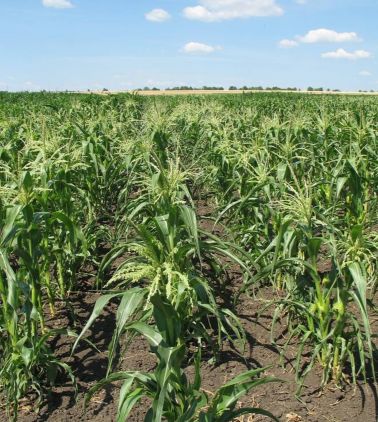
· The farmer T. Schirliu from the Negresti
village, r. Straseni, has planted according to the
technological requirements the M-450 hybrid on a surface of 1,2 ha. The plot is located
in the neighborhood of a water pool and the local consultant Schirliu Ion has advised the
farmer to irrigate the land at least ones and to lessen the number of plants to at least 40-
45 thousands per ha, as the draught conditions require. At the end, the yield from that
- 30 -

plot was 4,2 t per ha compared with the 1,2 t per ha the average in the village, or with 0,5
t per ha the average in the rayon.
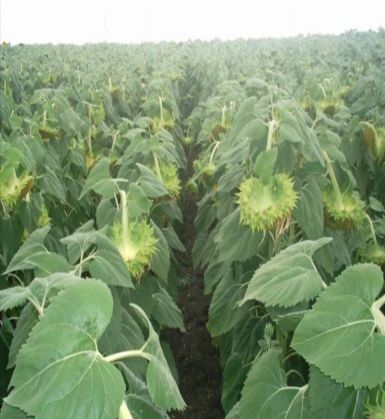
· with the support and involvement of the
local consultant from the Racaria village,
Rascani rayon Vasile Nadulisneac, the
demonstration plot "Perspective hybrids of
sun-flower" of "Gutuleac Galina" has been
planted accordingly on a surface of 2,2 ha
with three hybrids Sirena, Arena and
Alexandra. The use of fertilizers and proper
technological process has generated, even in
conditions of 2007, yield of 25,2 t per ha for
the Sirena hybrid, 19,8 t per ha for the Arne
hybrid and 18,6 t per ha for the Alexandra.
The average yield of sun-flower in the region
was 0,9 1 t per ha. After demonstrating these results, another 8 farmers from the
community have shown their interest in overtaking the experience of Galina Gutuleac.
The beneficiaries of the ACSA network of
consultants have managed 32526 ha of
multi-annual plantations, including 14759
ha of orchards, 260 ha of strawberries and
other berries, and 17507 ha of vineyards.
The total vegetable surface has constituted
in 2007 about 11896 ha of open field and
135,8 ha of protected land (including
respectively: tomatoes 1011 ha and 94,2
ha, sweet pepper 467 and 3,9 ha, egg plant 293 and 1,2 ha, cabbage 1189 and 7,7 ha,
cucumber 443,4 and 28 ha, water melon 144,5 ha and 125 m2, vegetable marrow 112
ha, potato 6075 ha, and other vegetable crops 1080 ha and 1700 m2). The
mushrooms have been grown on a total surface of 1731 m2.
- 31 -

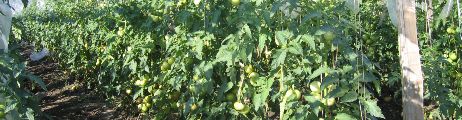

· The farmer Mihail Bulboaca is a repeated client of the extension system, and is
continuously provided with advises and
support by the local consultant Maria
Perebailov from Tudora village, Stefan
Voda rayon. As a result, he is obtaining
permanently the highest yield of peach.
In 2007 he has harvested 600 kg from
one ha and sold the peaches directly
from the filed with the price of 10 to 15
lei per kg. The 2,5 ha of orchard has
given the farmer, ultimately, more than
100 000 lei revenue.
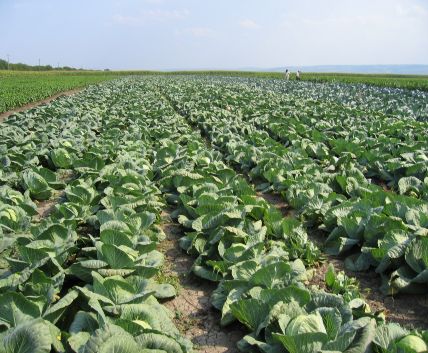
· In Carbuna village from Ialoveni rayon two groups of farmers, one led by
Pruteanu L. and another by the Paraschiv V. have produced, as result of the service
rendered by the Service Provider from Cainari, early cabbage seedlings of "Vestri"
variety on a surface of 5,5 ha. After following the technological process as advised by
the local consultants they have obtained 275 t of cabbage, with an average of 50 t
per ha;
· Pilrea Anatolii from Hadarauti village, Ocnita rayon, is specialized in growing
tomatoes in protected field. Being supported by the local consultant Ion Rusnac, he
has built a greenhouse with the capacity of 600 square meters with an investment of
682772 lei. The hybrids with a high biological potential Cronus F1 and Shanon F1, as
well as irrigation and proper technology have altogether contributed to a yield of 37
kg per m2 or a total production of 22200 kg of tomatoes. The average price of the
sold tomatoes was 7,85 lei per kg. The total revenue of the farmer was 174270
thousands lei in 2007, with a net
profit of 105998 lei;
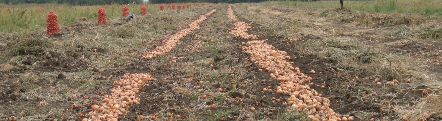
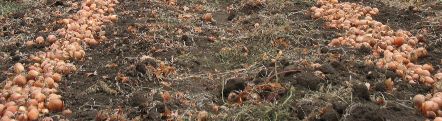
· The farmer Popa Vasile from
Pirita village, Dubasari rayon,
assisted by the local consultant
Nicolae Bologan, has decided to
grow on 2 ha onion from seeds of
Haltegon variety, using irrigation, and
applying fertilizers. The result was
35t per ha, with a direct production
cost of 60 thousands lei and total revenue of around 100 thousands lei.
- 32 -
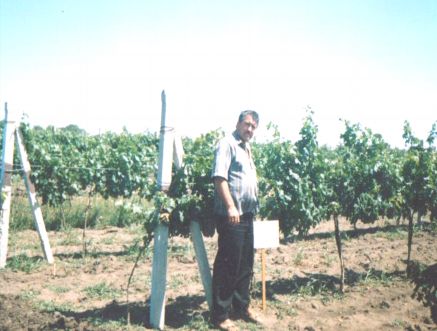

· Vasile Somon, a farmer from Straseni rayon, village Sireti, supported by Mereanu
Mihai local consultant, has exactly followed the technological requirements for the
process of growing vineyards, "Moldova" variety, on 3 ha of land, and has harvested
at end 35 t of grapes , or 11,7 t per ha, while the region's average was 4 t per ha in
2007. The harvested grapes have been
placed in a cooling facility until January,
and ultimately sold for a total of cca.
300 thousands lei.
The advise and support of the ACSA
consultants has had a considerable
weight for the beneficiaries that initiated
multi-annual plantations. In 2007,
beneficiaries of the rural extension
service have planted about 2500 ha of
multi-annual plantations, out of which 850 ha are apple orchards, 234 ha of plums,
327 of walnut trees, peaches 240 ha, vineyards 647 and other 212 ha.
·
Anatol Leahu, local consultant from the Jora de Mijloc village, Orhei rayon, has
initiated the creation of the Association of tree nursery in the region. The association has
consequently increased its number of members, as well as the quality of the pruned
trees and surface of nurseries (38 ha in present). More than 400 thousands pruned trees
have been produced in 2007;
·
At the advise of the local
consultant Ion Tarlev from Bascalia
village, Basarabeasca rayon, the
beneficiary Vornic S. from the same
village has planted in 2003 5 ha of
vineyard, Cabernet and Merlot clones,
and after following technological
recommendations of the consultant, as
well as the use of irrigation, the yield
obtained was 14 t per ha;
·
Tacu Valeriu from Braniste, Riscani, with the support of the local consultant
Spijavca Dumitru (support on soil analysis, etc.), has planted in 2006 an apple and
cherry orchard on 14 ha of land. In the reported period the farmer has requested
additional support for planting some 4, 5 ha of new pear orchard;
Another domain where ACSA consultants have helped beneficiaries obtain increased
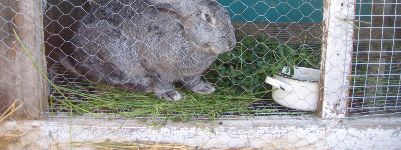
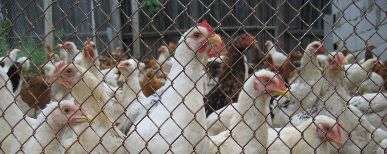
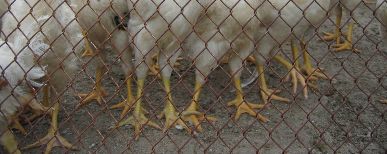
productivity is the animal sector. The 196 poultry mini-farms established with the support
- 33 -

of the Service Providers in 2006 and 2007, have registered an average productivity of
250 eggs per annum per poultry, figure comparable with the 110 eggs per annum per
poultry in the region. In addition, 71 rabbit farms, 76 pig farms and 64 sheep farms have
been established.
·
In 2006 the consultant from Bascalia
village, Basarabeasca rayon Tarlev Ion,
has established a poultry mini-farm with a
total of 250 poultries of "Roso" hybrid. In
2007 the productivity of one poultry was
250 280 eggs per year, bringing the
beneficiary a revenue of 65 000 lei, while
the total production cost was 41 000 lei.
The example of this farm has been
overtaken by another 5 farmers from the community;
·
Ghoerghe Trofim from Tintareni village, Telenesti rayon, has established, with
the support of the local consultant Petru
Stanila, a model farm for breeding rabbits,
with an initial breeding material of 38
females and 7 males. The farm has proved
to have a production over the average and
21 females have been sold for 250 lei
each. The experience from the farm has
been overtaken by another 10 families from
the village;
·
Three centers of artificial insemination have been established by joint support
provided by ACSA consultants from Donduseni and the local public authorities. The
centers are located in the following villages: Sudarca, Tirnova and Scaieni. In
Baraboi and Tirnova two milk collection points have been opened. People from
Mindic village and Scaieni village are happy to have the veterinary services in their
communities, while Rediu Mare village is hosting 2 renovated milk farms, which have
created 40 new job for the villagers.
Agricultural marketing impact
By the use of the 357 formal and informal marketing groups, business activities for
selling agricultural production have been supported, and namely: 115 456 t of field crops,
46 429 t of fruits and berries, 26 248 t of grapes, 88 569 t of vegetables, 17,5 t of
mushrooms, 2518 t de cattle meat, 168,7 t of sheep meat, 2559 t pig meat, 22,9 t rabbit
meat, 156,3 thousands of poultries, 112,2 t of honey, around. 4,5 millions of eggs.
- 34 -

Altogether, agricultural business transactions that have been mediated by ACSA
consultants are valuing more than 647 million lei.
Local and regional consultants have mediated transactions with agricultural inputs for
over 237,6 million lei. These money have been used by the farmers for almost 10852 t of
mineral fertilizers, 11994 t of seeds, 717817 pruned vines, 711042 fruit trees, 98175
fruits shrubs, 995 pure breed cattle, 1187,6 thousands poultries, and 29953 t of fuel.
Almost 55 million lei was used to buy tractors, agricultural and irrigation equipment,
including 245 tractors, 137 sowing machines, 122 cultivators, 224 ploughs, and 7
irrigation equipments. A total of about 292,9 million have been used by the beneficiaries
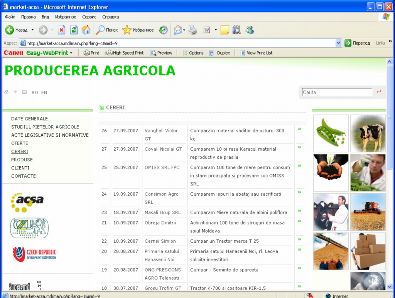
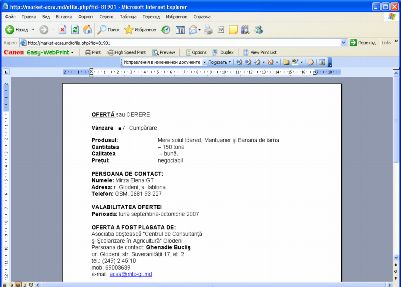
Offer No. 82. from 21.09.2007,
At 21.09.2007 - 150 tones, GT
apples
"Mirza Elena", r. Glodeni
Demand No. 25. from 25.09.2007,
At 25.09.2007 - 100 tones,
apples
SRL OMIS, or. Chisinau
within the input supply transactions mediated by local and regional consultants.
The impact of these activities can be expressed in the following examples:
·
In 2007, by the means of the AMIS, which represents a virtual market where
buyers and seller meet for their products or services, a number of business transaction
have been operated, to be mentioned the following: the offer No. 82 from 21.09.07
placed by Mirza Elena from Iabloana village, Glodeni rayon for 150 t of apples has
found its buyers "Omis" Ltd. that has placed a demand for the same product under
- 35 -
the number 25 from 25.09.07 and "Vicam" Ltd demand No. 28 from 26.09.07. As
result, two business transactions have taken place with a 680 thousands lei revenue
for Mirza Elena.
·
Clipa Mihai has placed the offer No. 176 on 26.11.07 and subsequently sold
210 tones of maize to the brokers of the commodity exchange, registering a revenue of
819 000 lei.
·
with the assistance of the Regional Marketing Consultant from Soldanesti, 18
persons have been trained in 2007 in marketing fresh fruits and vegetables. As a
result, in collaboration with "Alfa Nistru" stock company, 14 fruits, vegetables and
berries collection points have nee established in the region. "Alfa Nistru" has
provided the centers with the necessary boxes for collecting the products as well as
with an advance payment for the future products to be sold to the company. A total of
80 t of fruits have been collected from the population of Soroca with a total value of
400 thousands lei;
·
At the beginning of 2007, a group of 15 farmers has approached the local
consultant from Colibasi village, Cahul rayon, with the agricultural inputs supply
problem. Within the discussions held at the round table organized by the
consultant, the optimal solution that came up to the farmers was the creation of a
agricultural shop in the village. Later on, one of the beneficiaries Eremia
Nicolae, has decided to establish such a business. Thus, with the support of the
local consultant, the agro-shop "Colibasi Farm" has started its activity in the
summer of 2007. The suppliers of the agro-shop are "Agrostoc" business
cooperative, "Agrofitbonus" Ltd., "Bioprotect" td., "Strimetid" Ltd., ant others. The
potential clients of the "Colibasi Famr" are the 2461 farmers from Colibasi village
and those from the neighboring villages, where there is no agricultural shop.
·
With the joint support of the local consultants from the Antonesti, Carahasani,
Caplani, Olanesti and Crocmaz villages from Sefan Voda rayon, meetings between
the fruit and vegetable producers and the can factories from Olanesti and Causeni
have been organized. The result of these meetings was the creation of fruit collection
points and conclusion of 22 commercial contracts with total value of 2660 thousands
lei;
·
The activities of the Regional Marketing Consultant from Causeni have led to
the foundation of the animal breeding associations in October 2007. Thus, the
association has provide its members with pure breed animals valuing in total 469,8
thousands lei and support to the marketing of meat of 1564 thousands lei;
- 36 -
·
The information and support provided by the local consultant V. Popusoi from
Dubasarii vechi village, Criuleni rayon, has helped Rosca Elena from the same village
to open an outlet for selling films for greenhouses. Thus, in 2007 Elena has sold 10 t of
film for more than 360 000 lei.
Economic impact
Local and regional consultants have contributed to the creation of 85 diverse
professional associations, both local and regional, 36 veterinary rural centers, and
110 animal and poultry farms. Over 30500 agricultural producers and rural
entrepreneurs have had access to credits, including through SCAs about 29360
beneficiaries with 164,2 million lei credits, through commercial banks - 1080
beneficiaries with about 30 million lei credits, 58 RISP clients with over 3,9 million lei
credits. Local and regional consultants have provided support to the creation of
11580 business plans and credit requests, including 1286 for agricultural activities
and 294 for non-agricultural. Thus, 326 agricultural and 125 non-agricultural rural
businesses have been established and some 1703 new jobs created,
The following examples and success stories can demonstrate the impact and performance
of the rendered service:
·
Regional consultant from Cantemir has helped in the elaboration of 20
business plans submitted subsequently to Agroindbank for financing. 15 out of 20
have been accepted and credits provided with a total value of 3047000 lei;
·
Local and regional consultants from the Edinet Service Provider have
provided support to the population from the rayon to obtain financing from the
SCA. As a result, 1600 persons have been credited with 9.9 million lei in total by
SCA, 164 people have been credited by the commercial banks with a total of 1,65
million lei and 27 RISP credit line clients have got a total of 557 000 lei. In
addition, 4 agricultural businesses have finalized their business plans with the
support of the consultants, out of them 2 have stared their operational activity.
·
The local consultant from Mereni village, Anenii Noi rayon has provided support
to 165 people to obtain a total of 8 500 000 lei long and short term credits;
·
With the support of the local advisory centers from Ocnita and the regional
agricultural department, farmers and agricultural producers from that rayon have had
access to the state subventions for 2007. So, beneficiaries have been granted 8,8
million lei for VAT reimbursement for fertilizers, 391 000 lei for agricultural equipment
and 190 000 lei for the procurement of 50 pure breed animals;
- 37 -
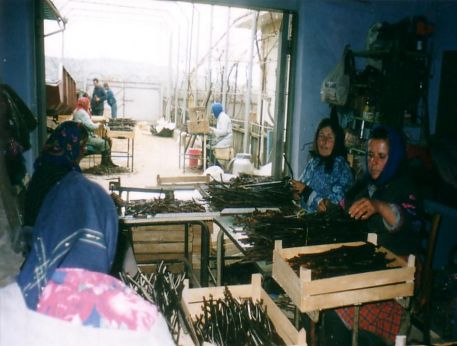
·
Pantiru Valeriu, being helped by the local consultant from Hiliuti, Rascani in
such activities as feasibility study, training and choosing the adequate equipment,
has started the operation of a bakery that is supplying the school and the
kindergarten with bread. The business has created 4 new jobs and and some 40 000
lei revenue for the beneficiary;
·
the farmers from Crihana Veche
village, Cahul rayon have been
provided, with the support of the local
consultant, with training on vine pruning.
A total of 25 000 vines have been
pruned in the village after the training
and the price of the pruned vines was
4,5 per unit. Thus, the total revenue of
the farmers was 137 500 lei;
·
The support provided by the local consultant Natalia Carablut to Turcu Mihail
and Turcanu Mihail has offered the last access to 175 000 lei from the state
subvention line for planting 5 ha of vineyards. In addition, 126 600 lei have been
provided to the farmers from the village from state subvention fund for field crops.
Another 200 farmers, after being consulted by the local consultant and provided
support on the submission of necessary documents to the Fiscal Inspection, have
benefited by the amnesties of 52 000 lei, and 61 farmers have had access to 280 000
lei credits from SCA.
Impact from legal advises
ACSA network of consultants has been actively involved and contributed to the
development of the land market and identification of solutions related to land legislation.
With the support of the network 6291 land transaction have been concluded for over 6000
ha pf land, 1340 ha of land has been the subject of 1250 donation contracts, 2293 heritage
contracts have covered more than 4200 ha, 147 mortgage contract have been concluded
for 93 ha of land and over 3080 ha of land has been re-parceled. The local consultants
have mediated 47448 land lease contracts for 792909 ha of land. Another 23040 ha of
land has been consolidated based on market principles through 16626 transactions. Some
1161 land litigations have been solved by the help of local consultants covering over 1530
ha of land.
The following are some examples and success stories with reference to the legal advises
provided by the network::
·
ACSA consultants from Hincesti have provided technical assistance for solving 73
land and property litigations, for concluding 2649 land transactions (981 buy-sell
- 38 -
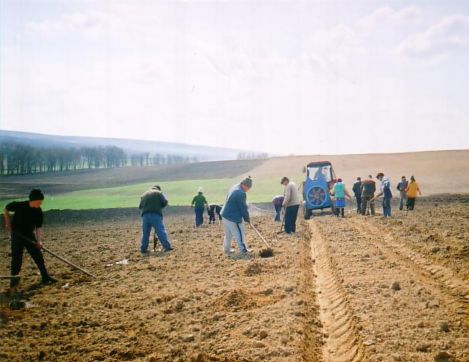
contracts,36 donations, 109 heritage contracts, 19 land re-parceling and 1504 lease
contracts). The total area of the land under the upper mentioned transactions is 2436 ha
and the number of beneficiaries is 2700;
·
After local and regional consultants from Stefan Voda have rendered 614 individual
advises and 112 group consultations to 1402 land owners, 2846 lease contracts have
been concluded for 3613 ha of land and another 235 ha of land has been sold under 236
contracts, 90 heritage contracts have changed the owner of 107 ha of land, 92
transactions have re-parceled 58 ha of land and another 58 ha have been donated. Also,
38 land litigations for 23 ha have been solved and 46 ha of land has been consolidated
for 102 owners;
·
The farmers from Pinzareni village, Falesti rayon have been provided during the
privatization period with plot of degraded land, being useless for the agricultural activities.
With the advise and support provided by local consultant from the village, 48 ha of such
land has been consolidated and forested by the regional forest authority;
·
Local consultant Florea
Constantin from Colibasi village, Cahul
rayon has provided support for the
commitment of 45 land transactions
covering 32 ha of new vineyards. In
addition, 75 ha of land has been leased
through 60 contracts;
·
The consolidation of the land in
Varatic village, Rascan rayon, has
been done with the support of the
local consultant. Some 20 ha of
consolidated land has created, out of which 15,5 ha has been projected for a new
plantation of apple (beneficiaries Medvedschi V, Parii P, and Capra V), and 4,5 h for
walnut trees (Furtuna i. and Salari N.). The consultant has also advised all these
beneficiaries on accessing respective state subvention funds for their plantations;
·
1200 land lease contracts have been concluded in Cobilea, Soldanesti with the
support of the local consultant S. Bernevec between the owners and the german
company "Mister Shmidt". In this way, some 1450 ha of land has been consolidated for a
period of 15 years;
·
By the use of the assistance of the local consultant from Solcani village, Soroca
rayon, 69 land transactions have covered 90 ha of land in 2007. Another 122 contracts
have been concluded with the ,,AMG Kernel Grup" stock company for 168 ha of land for
further planting walnuts.
- 39 -
Social impact
Service Providers as well as local advisory centers are playing an important role for the
socio-economic development of the rural communities. High professional level and
capacities to develop rural projects with international financing is used by the consultants
in accessing funds such as SIFM, Ecological Fund, IREX Citizenship project, GTZ,
APCP, etc. Thus, 49 rural social projects have been developed by the consultants and
granted financing from different donors, including inter alia:
· 2 projects financed by the Agricultural Pollution and Control Project: one for irrigation of
vegetables in greenhouse 328 000 lei and another for the construction of a manure
storage platform 652 000 lei. Both projects have been implemented during 2007;
· The consultant from Ilenuta village has provided support to the elaboration of the
project, which subsequently has received financing from the Community Development
Program financed by USAID and administered by IREX. The project budget was 475
000 lei, including 26 000 lei grant, 80 000 lei contribution of regional public authorities, 89
000 lei contribution of local public authorities and 46 000 lei the contribution of villagers;
· A water pipe construction project was granted financing from the Ecological Fund in
Pirjota, Rascani. The project was developed by the local consultant who has also
mobilized all villagers towards the implementation of the activities under project. The
value of the project was 260 000 lei and 2 km of pipes have been built
· Service Provider from Cainari has developed and implemented in 2007 a project that
aimed at renovating the building of the ""Alexei Mateevici" lyceum from the community.
The project has been financially supported by SIF 2 under the "Small town develpoment"
program. The total value of the granted finance was 75 000 USD and the community
came up with a 144 000 lei contribution;
The work done by the consultants towards the development of the rural communities and
increasing the level of wealth of the beneficiaries is being appreciated by the local public
authorities and local inhabitants and expressed in their diverse letters. The impacts of
such activities is strengthening the relations between the extension consultants, LPA and
beneficiaries,
Obtaining the answer or being provided with the solution to the problem, creation of new
rural businesses or extending the existing ones with the support of the consultants, all
these are contributing towards the creation of a positive image of the ACSA Service
Provider. LPA are supporting the activities implemented by extension consultants and
appreciate the consultants work as being a useful one for the rural development sector.
- 40 -
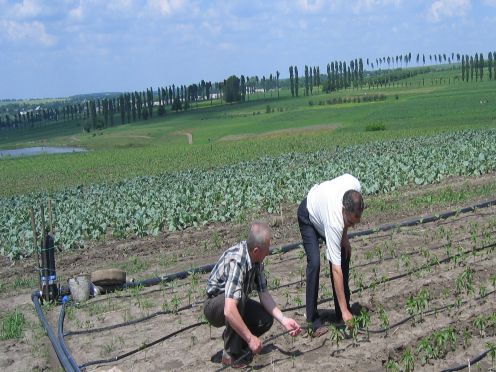
THE IMPACT OF THE DEMONSTARTION ACTIVITIES
The demonstration activities implemented within the special contracts program have
contributed to the improvement of the technological level and increase in productivity
of crop production or animal breeding. The beneficiaries of the demonstration sectors
have understood the efficiency of the new varieties and hybrids, of applying plant
protections schemes, of new modern techniques and equipment, of the progress
breeds of animals and fish, and the importance of the recommendations provided.
The implementation of the 72 special contracts has resulted in the creation of 13
mini-farms (pig, cattle, and sheep), 3 rabbit mini-farms, 4 handicraft and furniture
production workshops, 2 ha of pruned walnuts, 2 ha of strawberry plantation, 7
businesses on production of mushrooms, 3 fisheries, 2 quail farms and one rural
tourism activity.
Based on the information provided by Service Providers in their reports, we can state
that the total revenue of the fish breeding activities under the special contracts
program was over 4,4 million lei, while the production costs have been reduced by 68
000 lei, and some 34 new jobs created. From the total number of participants at the
demonstration sectors, 160 have already started similar activities. Eight regional
associations of fish and animal breeders have been created in the reported period,
as well as 16 formal and informal marketing groups and handicraft centers. 74 sale
and purchase contracts have brought to their beneficiaries more the 1,4 million lei
revenue.
Some of the results the ACSA consultants within the implementation of the special
contracts are provided below:
· 19 demonstration activities on growing vegetables in open field as well as in
greenhouses have generated
for their direct beneficiaries a
total of 1,9 million lei. 48
persons from the total
number of participants at the
demo-lot open days have
stated their intention to start
similar activities based on the
experience gained;
· For the open filed vegetable
growing sectors the average yield was 33,8 t per ha compared with 22 and 17,8 t
- 41 -
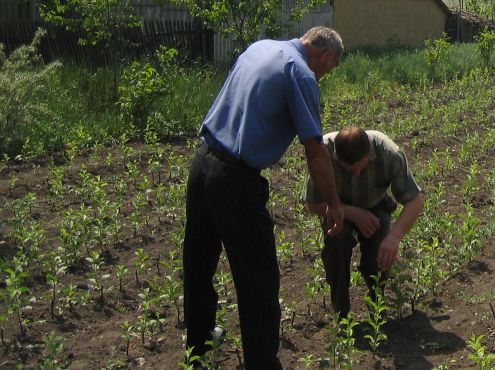
per ha average in the villages of the demonstration plots. "Lilian Borodachi"
from Hlina (Briceni) has managed to obtain 38 t of eggplant per ha with the use
of drip irrigation, while Anatolie Soltan from Cuizauca (Rezina) has registered 46
t per ha of the sweet pepper grown according to the same technology;
· the average yield of the vegetables grown in protected field 8,7 kg/m2 in the
demo plots compared. 6 greenhouses with a surface of 2100 m2 have generated a
total revenue of 583 000 lei. Anatolie Rabei from Saratenii Vechi, Telenesti has
registered a yield of 16 kg per square meter. Dmitrii Vohodet from Musair village,
Taraclia has registered 12 kg/m2 of tomatoes (new variety), compared with 5 kg/m2
at the basic plot;
· The implementation of the proper technology for growing onion has provided Ion
Roaba from Mascauti (Criuleni) a revenue of 135 000 lei from only one ha of
land;
· 5 demo plots (1,7 ha) with the use of irrigation for strawberry growing has generated
a total of 204 000 lei sales. Some 15 visitors have stated their intention to start
similar activities based on the recommendations provided;
· Victor Munetanu from Hristoforova, Ungheni, being advised to and using the the
technology of growing strawberries, has obtained 3 tones of early strawberries
on a 0,45 ha ofland;
· Nichifor Ixari from Sevirova village, Floresti rayon has obtained an output of
more than 50% for the pruned fruit trees. Out of 50 000 pruned trees 42 000
have been sold. It is to be
mentioned, also, that
Nihofor has concluded
contrats for the production
of 12 000 pruned tress for
neighboring orchards.
·
Valentin Paladi, the
beneficiary of the demo
plot from Cruglic village,
Criuleni, has produced 28
000 flowers that generated
a revenue of 54 000 lei. Ruslan Dombrov has registered 26 000 lei revenue from
the marketing of the flowers in the first year of operation.
· The production of mushrooms on 1930 m2 has provided the beneficiaries of 7
demonstration plots a total of 23900 kg of mushrooms, with an average of 12,4
kg/m2. The value of the products sold was over 250 000 lei. Valeriu Postolachi
- 42 -
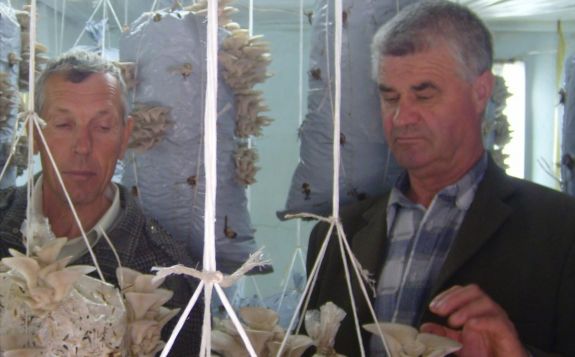
from Varvarauca village, Floresti and Barabas raisa from Bulboaca, Anenii Noi
have registered good
results as well, with
3,5 and 1,4 t of total
production
respectively;
·
Following
the
recommendations of
the external
consultant, and
using the artificial
insemination,
automatic milking and other procedures, the beneficiaries of the 4 special
contracts have obtain from their milk farms a 15,5 liters of milk per cow per day,
or 5 400 liters per year.
· Platon Leonid from Volodeni, Edinet, has obtained a production of 20 liters of
milk per day per cow. His farm of 20 milk cows has generated in 2007 a revenue
of 337 000 lei. Nicolai Galemba from Birnova, Ocnita, has registered at his 8 milk
cows farm an average production of 17,5 liters of milk, this obtaining an yearly
revenue of 64 600 lei;
· Sheep breeding is a common activity in Moldova, but because the technological
requirements are not followed strictly, this may result in a bad performance of the
farms. The 5 special contract on sheep breeding had the aim to inform people about
the requirements of the farm itself as well as on milk and other farm products storage
during diverse period of the year, and on the reproduction pf animals. Mechanized
milking was also presented during the open days and the equipment to be used for
this operation.
· The farm of Ion Bogdan from Radulenii Vechi, Floresti has a capacity of 250 sheep.
After implementing all recommendations of the consultant, the production of milk was
112 liters per sheep per season. Ion has also traded 325 kg of lamb and others with a
total value of 250 000 lei. At the same time, Eugen Dascal from Drochia has
registered a production of 9 liters of milk per sheep per day. His revenue in 2007 was
approximately 85 000 lei;
· 106 males and females have been procured to create 7 rabbit farms in different regions of
Moldova, and after reproduction this number was 1256. The seminar organized within the
demonstration sectors have identified 13 persons expressing their intention to start similar
activities;
· The beneficiary of the demonstration plot from Mitoc, Orhei Turcanu Vasile, has
- 43 -
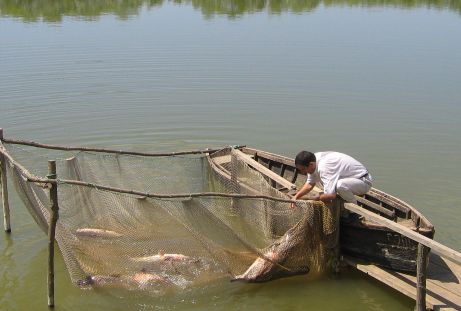
invested both, project money and his personal contribution generated from the work
abroad, for the creation of a model rabbit farm. He is now selling monthly 50 60 kg
of diet meat to METRO Chisinau, on the basis of a long-term contract concluded with
them;
· The special contracts on rabbit breeding has interested beneficiaries of other special
demonstration sectors: Eugen Burghila (s. Parcova, PS Edinet, Mihail Dragan (s.
Bobeica, PS Hincesti) si Gheorghe Petic (s. Milesti, PS Nisporeni);
· The average production of fish within the 3 special contracts on a total of 16 ha of lake
has reached 810 kg per ha,
while the beneficiaries
Constantin Gaidarji from Baurci
(SP Ciadir-Lunga) and Teodor
Bajura from Bilicenii Vechi (SP
Singerei) have bred 980 and 890
kg of fish per ha respectively.
· The two special contracts with the
beekeeping activities have
managed to increase the number of beehives by two, and 8 people from the village started
similar activities. Another 15 young people have shown vivid interest towards this type of
activity. The Association of beekeepers has been created in Hincesti rayon. Vasile Sirbu
has collected 28 kg of honey from each beehive;
· Due to the special contract implemented by Galina Marinescu from Carahasani,
Stefan Voda, the team of the artisans has increased with two from 8 and the
number of national costumes has increases from 25 (last year) to 65 in 2007,
valuing 44 000 lei. Contract of sale and purchase of these costumes have been
concluded with the mayoralty of Palanca 6 units, Cultural department from
Cainari 10 units, Cultural department from Stefan Voda 20 units. In the
framework of the handicraft workshop, the Labor Office from Stefan Voda has
trained 10 unemployed and provided respective certificates;
· The implementation of the mini-project on basket work has made Ciumac Ana
from Eforeni to enlarge her range of wattle and increase the revenue from 15
000 lei in previous year to 27 000 lei in 2007. Today, her workshop is hosting 10
masters, versus 3 in 2006. Some 15 pupils from the community have attended
the courses on basket work;
· The master Ion Pohoroana from Soldanesti has provided his workshop for the
demonstration of and training on manufacture of wood handicraft. 8 adults and 11
pupils have been trained in 2007. Out of them, 3 persons have started this activity
- 44 -

on their own. The workshop is mainly working by the order of churches. They have
also produced, at the request of the ex-ambassador of the Russian Federation, a
phaeton.
· The training organized at the workshop of the master Leonid Muntean from
Hadarauti, Ocnita, as well as the equipment provided have contributed directly to
the manufacture of 3 sets of doors and windows, 5 wardrobes, 12 chairs etc.
This can be compared with manufacture of only 4 doors and 10 windows in
2006. Besides doors and windows, Leoind started to produce wardrobes and
tables as well. During the implementation of the project, 4 persons from
Corescauti and Clocusna have started similar activities after visiting the
demonstration sector, and some 16 pupils have been trained accordingly and
received certificates;
· 2 special contracts have contributed to the increase of the quail farms by 25%.
Over 13 000 diet eggs have been produce by the two farms, that have been sold
with the price of 1-1,5 lei per egg.
· "Ion Lazar" (SP Soldanesti) has tried the method of incubation in three times and
the result was 131 quails. 80 out of 131 Ion has sold to other quail farms fro the
creation of their capacities. His plans for the future are to expand the quail farm
to meet the market demand. Another 8 persons from the village are initiating
similar farms.
The upper mentioned case studies are underpinning the importance of the special
contracts and demonstration sectors when promoting advanced technologies and
diversification of activities in the rural area.
MONITORING AND EVALUATION
Monitoring and evaluation is a
continuous process involving
the staff of ACSA executive
directorate and the
representatives of the Rural
Extension Service Unit (RAS
Unit) under the Ministry of
Agriculture and Food Industry,
and represents an important
and efficient tool for ensuring
the achievement of the project
- 45 -
goal.
The goal of monitoring and evaluation is to verify the activity of regional and local ACSA
consultants and assess project implementation progress.
The monitoring and evaluation of ACSA network activity in the first quarter was mainly
influenced by two factors: lack of financial resources until beginning of March (contracts
with Service Providers were signed on March 2, 2007) and lack of transportation ACSA
vehicle was damaged in a car accident on November 17, 2006. However, in the second,
third and forth quarters, monitoring and evaluation activities were carried out according to
the working plan due to the purchase of a car for the Executive Directorate of ACSA and
a car for the Rural Extension Services Unit. Thus, during 2007 the staff of ACSA
Executive Directorate and the Rural Extension Services Unit made joint field trips and
monitored and evaluated all 35 Service Providers covering more than 55% of the local
consultants. The centers that had difficulties in complying with contractual obligations
and were not capable of settling some acute problems were visited several times (SP
Leova, SP Criuleni, SP Cimislia, SP Stefan Voda, SP Taraclia, SP Soroca, SP Rezina,
SP Floresti, SP Falesti, SP Briceni, SP Basarabeasca, SP Cahul, SP Causeni, and
SP Comrat).
For a more objective evaluation of the activity of rural extension consultants,
discussions with regional and local consultants, representatives of local public
administration mayors, deputy mayors, secretaries and other employees of the
village halls and beneficiaries were held during monitoring visits. In addition to that
the physical comfort of offices, transparency, activity planning and execution as well
as documentation were examined on site. Immediately after signing contracts for
provision of services in 2007, the monitoring team focused on evaluating the activity
of the Service Provider ,,Local Development Agency" from Leova, which, following the
decision of the Selection Committee, was supposed to improve its management. As
a result, the founders of the organization recommended a new coordinator, who was
subsequently approved. This service provider was visited several times in the second
and third quarter as well.
ACSA Executive Directorate carried out a monitoring visit to SP Criuleni to offer
assistance in transferring local consultants from SP Dubasari that had their
consulting services contracts terminated, according to the decision of the Selection
Committee. As a result, 4 consultants continue to work as part of SP ,,Criul-Fermier"
and they seem to have been integrated into the team. ACSA Executive Directorate
- 46 -
visited the consulting center from Criuleni several times to provide advisory support
in consultant team management.
Several monitoring visits have been organized to the Service Provider from Cainari,
as the management of that team has registered changes. The goal of the visits was
to provide adequate support to the new project coordinator. As a result, the
management of the team has improved significantly.
Similar situation has been registered for the Donduseni Service Provider, where the
management of the team has been changed as well. After several monitoring visits of
ACSA executive directorate, the activity of the center has been improved.
Monitoring of other centers revealed that all consultants comply with the contractual
provisions on consulting activity, recording of services provided, ensuring information
materials and transparency of the activity its-self. However, the monitoring team
identified the following gaps:
(i) Inadequate registration of services provided in the record register,
(ii) Incorrect formulation of subjects of major importance to beneficiaries when
planning seminars and round tables,
(iii) Insufficient transparency of consulting activity,
(iv) Insufficient promotion and sale of information materials developed by ACSA.
Consultants are facing difficulties in marketing brochures published three-four years
ago by ACSA. This is explained by the fact that the brochures are obsolete, by
changes in trends for agricultural crops and animal breeding, by the possibility to
borrow the brochure for a short period of time. Nevertheless, the beneficiaries have
an increased demand for the recently published materials, i.e. commercial ones,
which shows that farmers have a continuous interest for market-oriented agriculture.
It is good that most consultants understood the efficiency of providing consulting
services to groups and tend to increase their number. At the same time, some
consultants are still facing problems in identifying issues beneficiaries face. The
evidence of that is represented by some activity plans and tendency to avoid the
evaluation of the seminars and round tables organized by consultants.
Some consultants shall improve the transparency of their activities. They are to
become more active in promoting the Service Provider and ACSA in the local mass
media, posting information on visible places in village halls, etc.
- 47 -


The gaps that have been identified in the activity of the local consultant have been
registered in the consultant's register of
services rendered to population, and
further discussed with the SP team.
Deadlines for improving the situation
were established depending on the
seriousness and difficulty of making
necessary changes. The monitoring
teams have also encouraged project
coordinators to work permanently with
the consultants from their team and help
them solve problems.
In general, the quality of the services provided by ACSA network of consultants has
been improved, as well as recording and planning of the activities. In addition, the
services rendered have been diversified and the access to these services increased.
Most offices are properly endowed for service provision and their location is mainly
adequate and accessible. There is progress in ensuring transparency of activity and
identifying target beneficiary groups by area.
At this moment, the World Bank contracted expert, Nico van Wageningen, in close
cooperation with ACSA Executive Directorate and RESU staff are developing the
concept of the integrated monitoring and evaluation system for the activity of ACSA
consultants. The goal of the system is to have instantaneous and quick access to
information on the activities of regional and local consultants and to decrease the
time necessary for paper work and increase focus on working with beneficiaries of
rural extension services. The concept of the integrated monitoring systems is an on-
line database on activities implemented by regional and local consultants, their
beneficiaries, general information on localities where regional and local ACSA
centers are located, etc. and ensuring the possibility of enhancing and increasing the
information flow between local, regional and national consulting centers. With respect
to these, the Bank's support on computerization of the network is just in time. Local
and regional consultants will be provided with office equipment for improving the flow
of information in the framework of the rural extension system as well as for improve
the process and results of the monitoring and evaluation of the network.
*** Any other additional information and source financial documents are available at
ACSA Executive Directorate and Service Providers offices.
- 48 -
RURAL BUISNESS DEVELOPMENT COMPONENT
The activities of the Rural Business Development Component (RBDC) are
implemented by the four DAs that implemented RISP I: Alliance for Cooperation in
Agriculture (ACA), Business Consulting Center (CCA), Rural Development Center
(RDC) and Mobile Expert Group in Agriculture (MEGA) which signed contracts with
the Ministry of Agriculture and Food Industry (MAFI). Their contracts contain detailed
terms of reference for activities planned under this component, including budget and
financing offered for the period September 2006 June 30, 2010. According to the
Project Document, MAFI is responsible for the implementation of this component
while CAPMU is fully responsible for the coordination of the component. The DAs are
funded for the current phase of RISP according to the new financing mechanism,
based on results delivered, and is different from the first phase based on monthly
fixed payments. Thus DAs are stimulated to a greater extent to establish viable
businesses since a part of their financing is provided for post-creation support.
CAPMU developed a package of forms required by development officers (DOs) in
their work, including updates of forms used during RISP I. At the moment 10
development teams are involved in the implementation of RBD Component: 3 teams
within ACA and MEGA and 2 teams within RDC and CCA respectively. Most DOs
have worked under RISP 1.
General information on outcomes of DAs activities for the reporting period is
presented in the table below, while more detailed information is presented in
Annexes RBD 1-23.
Table RBD 1. General Information
Indicator
Value
Development Agencies
4
Mobile teams
10
Number of villages where promotion took place
468
Number of participants to promotional meetings
9637
Number of project participation applications
377
Service provision contracts, active
312
Number of business plans developed
283
Businesses starting implementation of investment plan
217
From them:
Agricultural
(30%) 64
Non-agricultural
(70%) 153
Businesses in progress
46
Businesses registered with the support of DAs Loan
23
Loan applications submitted
254
- 49 -
Loans disbursed for rural businesses disbursed for rural
212
Loans approved, but not disbursed
2
Loan applications in processing by PFIs applications
6
Number of businesses benefiting from post-creation support
165
New jobs at start-up
736
PROMOTION CAPMAIGN
In the forth quarter of 2007 promotion activities were organized in 103 villages and
attended by 1996 people. (Chart 1) Thus, the cumulative figures are showing that a
total of 9637 persons from 468 villages have been informed about the RISP second
phase activities and opportunities until now.
While other DAs have greater results in business creation, CDR organized most
promotions in 187 villages having more than 4200 participants. CDR is followed by
CCA with a total of 105 villages covered by the promotion campaign with 1870
persons attained the promotion meetings.
Development Agency
No of villages involved in
promotion campaign
ACA
85
CCA
105
CDR
187
MEGA
91
Total
468
As project foresees that the promotion campaign will be held in a total of 900 villages
of Moldova, we can state that at December 31st, 2007 50% of the villages have
already been involved in this campaign.
Most promotions were carried out in partnership with local public authorities, ACSA
national extension network consultants and savings and credit associations. These
promotions introduce the goal and objectives of the project, conditions of
participation, DAs' role in creating and supporting new businesses, funding
opportunities of investment projects, etc. All promotion meetings are accompanied by
distribution of information materials, including RISP II leaflets containing general
information on the project, the list of DAs and their contact information, the list of
project participating financial institutions (PFIs).
The number of promotion activities had a positive trend in the forth quarter of 2007,
starting with 28 villages in October, and reaching a number of 42 villages in
December 2007.
- 50 -
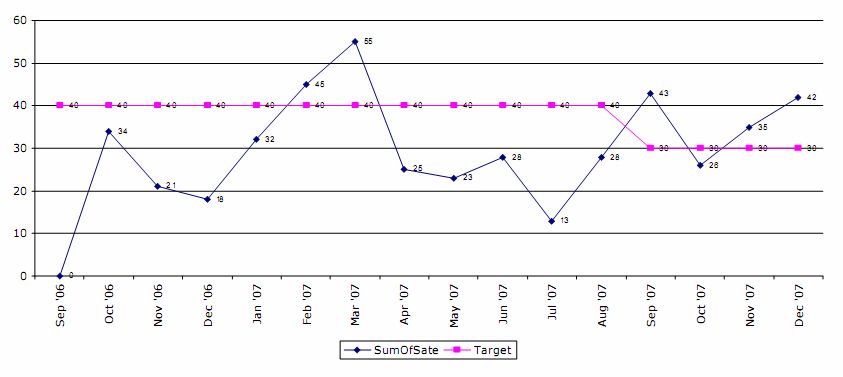




An important source of information on project conditions are RISP I beneficiaries.
They can be considered an example for potential beneficiaries of RISP II.
Chart RBD 1. Number of promotion activities
BUSIENSS CREATION
During the period October - December 2007 the four DAs have managed to assist 48
RBs in developing their business plans, this totaling to 283 RBs with their final
business plans with DA assistance.
217 businesses established
with the support of DAs have
started their operational
activity/implementation of
investment plan as of
December 31, 2007. Out of
them, 212 have received loans
from PFIs and 5 started
operating only with their own
resources. Overall, 220 RB
have received
Manufactureof wearing apparel, Glodeni
financing/credits from the PFI
and 8 of tem are still implementing the investment plan, with operational activity to be
started subsequently.
- 51 -
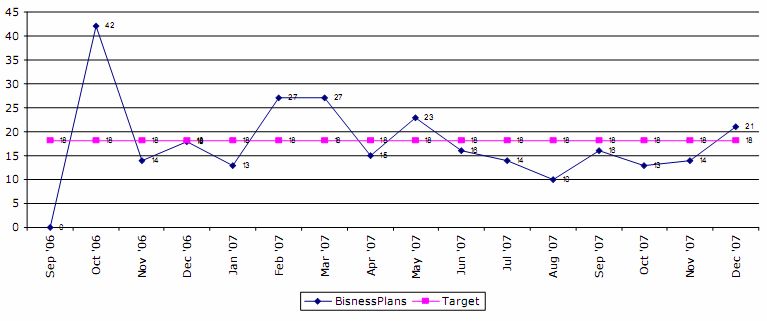




Chart RBD 2. Number of businesses with final business plans with DA assistance
The total business investments of these 217 businesses amounted to 5.7 mil. $.
Thus, the average investment made by operational businesses by December 31,
2007 is 26 000 $.
If referring to the amounts of
credits disbursed to 220 RB,
they are totaling a 3.6 mil. $, that
have been supplemented by the
beneficiaries contribution in
amount of apr. 3 mil. $. Thus,
the average loan disbursed to
RB is 16 000 $. This is
confirming somehow the status
of small business of the RB
created with the support of the
RISP, the target group of the
Milk collection and selling, v. Ciuciulea, Glodeni
project being reached.
MEGA has assisted in the creation of most of the RBS so far (83), followed by CDR
(56). For ACA and CCA this figure is 43 and 34 respectively.
Out of 217 businesses created, 204 are individual businesses, which represents
approximately 94% and only 13 RB are group businesses. To this end, group
businesses were considered businesses with 3 and more founders. This indicator,
compared with the one from the 2006, is showing an increase of the individual owned
businesses versus group ones.
- 52 -
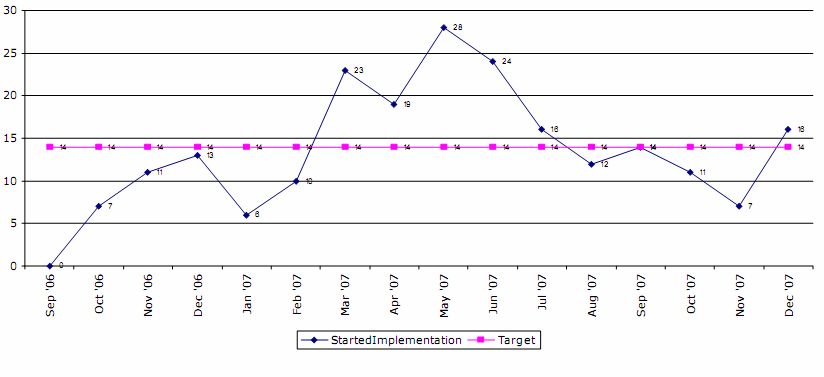
Chart RBD 3. Number of businesses started implementing business plan
The legal form of the businesses that commenced implementation of their business
plan is mostly Limited Liability Company (82 RB) or Sole Proprietorship (78 RB).
These two types of businesses represent a 73% from the total/ operational RB. They
are followed by peasant farms (45) or about 20% from the total. There is one single
cooperative and 10 patent holders. As mentioned in previous reports, the number of
Patent holders is lessening as the State policy that is to limit this type of business
organization, and replacing it with other types.
The structure by the type of business, which started their operational activity, is
presented in Table RBD 2. The table below shows a big share of businesses being
non-agricultural (70%), which is matching with one of the project trigger to have at
least 1/3 of all new businesses created engaged in off-farm activities.
From the agricultural businesses (a total of 64), those with livestock production and
crop production have the greatest weight, with a total of 56 RB. The chart in the
Annex RBD 22 is showing a more simplified breakdown of Rural Businesses by type
of activity. As we can see, the categories of non-agriculture businesses are food
processing (6.5%), transport (12%), other services (6%). Almost half of the
manufacturing companies are food processing companies (43%), followed by
manufacture of other non-metal products (18%) and wood processing (12%), etc. It is
to be mentioned that the share of the RB involved in retail trade has decreases
considerably, from 39% in the first quarter of 2007, down to 16% in the forth quarter.
This is representing a positive trend, as during the last two Missions of the World
Bank team as well as at the CAPMU Supervisory Board meeting the agreement has
reached towards the making efforts as to minimize the share of retail businesses,
and setting a maximum limit for them at 20% from the total. As of December 31st,
- 53 -
2007, RISP is registering a 4% of the RB involved in wholesale trade and 16% - retail
trade.
A quarter of rural businesses being involved in retail trade can be explained by rather
small investments needed for this specific activity compared with production or
agricultural and non-agricultural services. And on the other hand, Moldovan rural
population is still facing the problem of lacking collateral when starting businesses
that require attracting capital from the financial institutions. This problem is main one
mentioned by the DAs in their quarterly reports.
Table RBD 2. Structure of RB by type of activity
Type of business
No.
%
Agriculture
Agricultural service activities
8
3.7
Crops production
31
14.3
Livestock production
25
11.5
Sub-total Agriculture
64
29.5
Non-Agriculture
Fishing
2
0.9
Manufacture of food products and beverages
14
6.5
Manufacture of wearing apparel
2
0.9
Manufacture of wood and wood products
4
1.8
Manufacture of rubber and plastic products
1
0.5
Manufacture of other non-metallic mineral
6
2.8
Manufacture of fabricated metal products
1
0.5
Manufacture of electrical machinery and apparatus
1
0.5
Manufacture of furniture
4
1.8
Construction
1
0.5
Retail trade
36
16.6
Sale, maintenance and repair of motor vehicles
13
6.0
Wholesale trade and commission trade
9
4.1
Hotels and restaurants
9
4.1
Land transport
26
12.0
Post and telecommunications
3
1.4
Supporting and auxiliary transport activities
1
0.5
Other service activities
13
6.0
Health and social work
1
0.5
Recreational, cultural and sporting activities
6
2.8
Sub-total Non-agriculture
153
70.5
TOTAL
217
100.0
FINANCING OF RURAL BUSINESSES
In the forth quarter of 2007 the DAs have signed 58 Service Agreements with the
beneficiaries. So far 254 credit applications were submitted to Financial Institutions
- 54 -


and 220 credits were already disbursed. 146 out of the credits disbursed are
provided from the RISP funds, 74 projects are financed from other sources.
As was mentioned above, 217 beneficiaries from the total number of contracts have
started the implementation of their Business Plans, elaborated in a joint effort with
the DOs. In 5 cases out of 217, the beneficiaries are starting the implementation of
their projects from their own sources, eventually considering accessing a loan at a
later stage.
The 217 businesses are located in all rayons but Anenii Noi. The maximum number
of businesses is in UTAG (28 RBs),
followed by Cahul, Edinet, Drochia and
Orhei with 19, 16, 12 and 11 RB
respectively. These rayons host more than
40% of businesses created so far. If
comparing regions by value of disbursed
credits, then UTAG is the first on the list
with over 4.3 million lei disbursed is
followed by Drochia with over 3.6 million lei
Production of furniture, Sarata Noua, Falesti,
and then Orhei with 2,65 million lei.
It should be mentioned that 178 out of 217 operational businesses have already
started to generate revenues. Also, 146 businesses were financed from RISP funds,
74 from other sources and 5 started implementation of the business plans from their
own resources. These 217 businesses created 736 jobs, which results in an average
of 3-4 jobs per RB.
The following table is showing the breakdown of the service agreements by the level
of access to the financial resources:
Service agreements signed
312
Credit applications submitted
254
Loans disbursed
220
RISP loans
146
Loans provided from other sources
74
Credit applications still being assessed by PFI
6
Credit applications rejected or withdrawn
26
Loans approved but not disbursed
2
If comparing the efforts of DAs in financial brokerage, we can mention MEGA with 83
credits disbursed each so far, CDR 58, ACA 45 and CCA - 34.
- 55 -
MANAGEMENT INFORMATION SYSTEM AND M&E
The analysis of the progress in the implementation of the RBD Component is
managed by means of the database application. The DAs were provided with the
application files from the beginning of their assignment. The functionality of the
database includes data integrity check and the generation of the progress reports.
On a monthly basis CAPMU is receiving the updated database files from the DAs
and the information regarding the credits disbursed within the Rural Finance
Component from the Credit Line Directorate (CLD). The information is crosschecked
with the DAs and the CLD.
CAPMU is regularly maintaining and updating the database, providing a more
enhanced functionality, both for the DAs and the generation of reports.
An application for the Credit Line Directorate was developed in July. The application
was submitted the CLD in the second half of July. The person responsible for this
application at CLD was trained to use it. The application is functional for data
introduction, verification of accuracy of introduced data, generating reports and
diagrams and managing information on monitoring carried out by CLD staff. The
application will smooth the process of introducing data, the transfer of data between
CLD and CAPMU as well as reporting, including quarterly reporting, to the World
Bank. But, in order for this application to operate efficiently, CLD should make sure
that the person responsible for this application will become an expert in Access data
bases, and CAPMU will provide necessary assistance as requested.
Rural businesses established with the assistance of the project are monitored both
by DAs and CAPMU. Development Agencies are in charge of carrying out monitoring
visits to verify the performance of businesses created as compared to a set of
indicators, which proved to be very useful during the first phase of the project. Thus,
the frequency of monitoring visits depends on the risk category assigned by DAs to
each business as a result of the last monitoring visit. Therefore, businesses in the
low risk category are monitored after 6 months from the last visit, those in the high
risk category in two weeks from the last visit, etc. In the annex RBD 4a one may
see the structure of businesses by risk categories. A set of indicators are collected in
order to record data on employees, average salary by gender or age, average salary
before project participation, etc. (Annex RBD 4a)
When visiting revenue generating rural business, DA consultants also collect
financial data on the business such as sales, profit margin, taxes and fees, VAT, etc.
- 56 -
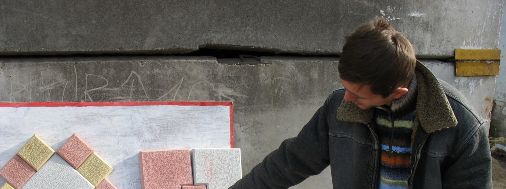
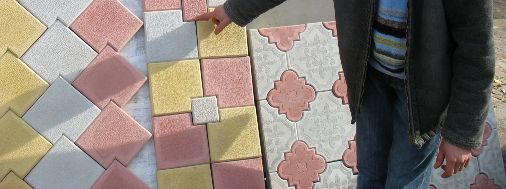
In annex RBD 4a cumulative data on employment and taxes and fees paid are
presented.
CAPMU is monitoring DAs by regularly and randomly organizing monitoring visits to
RBs created with the support of all DA consultants. The goal of these visits, in
addition to assessing created businesses, is to estimate the quality of
assistanceprovided by DA consultants, especially, post-creation assistance, but also
the accuracy of eligibility criteria for project participation.
POST-CRATION SUPPORT TO RBS
All four DAs have already started
the post-creation support for the
Rural Businesses created. In the
forth quarter of 2007 35 RBs
have received post-creation
assistance from the DAs. The
total number of businesses
involved in DAs post creation
support is 178 out of 217
operational, each receiving 1 to 4
days of support depending on the
Producerea articolelor din palcaj, Causeni
necessity. So, 82% of the Rural
Businesses that commenced their
operational activity have already asked for the assistance. Most of the support has
been provided by MEGA with 283 days of post-creation so far. CDR and CCA have
provided 109 and 82 days respectively, and ACA - 28.
The breakdown of the post-creation support delivered to RBs by category is as
follows:
The category of the services
Nr. of days
ACA
CCA CDR MEGA
TOTAL
Legal issues
6
38
25
67
136
Finance/accounting
12
11
36
65
124
Management
4
16
23
57
100
Marketing/sales
6
15
13
82
116
Technologic issues
0
2
12
12
26
Total
28
82
109
283
502
As shown in table above, out of 502 consulting days, 283 have been provided by
MEGA, representing more than 50% of the total. Four categories are most requested,
- 57 -
with an approximate equal distribution: legal issues, finance and accounting,
management and sales and marketing with 136, 124, 100 and 116 days respectively.
The technological area was required for only 26 post-creation assistance day. It
could be assumed that such a small number of days of technological support is not
the result of low demand from beneficiaries, but more due to the specialization of
development officers in 4 broad areas, but less in the technological one. In fact,
technological assistance and support is excellently provided by ACSA network.
ENVIRONMETAL TRAINING
In May June 2007 CAPMU has initiated a series of environmetal trening for the
development officers as well as for PFI credit officers. The training had the aim to
inform the stakeholders of the credit system in Moldova, and especially those
involved with RISP procedures, about the possible impacts of the rural business
diverse range of activities on the environment. Moreover, the training was to help
participants identify the mitigation measures for those impacts, based on specific
examples of RB created with the support of the project in the first phase.
The training has been organized by BIOTICA ecological society. A total of 10 gropus
of particiants have been trained over a period of 3 days each group. The topics
covered by the training included, interalia, the following:
§ Main impacts on water and land
§ Use of pastures and their pollution
§ Specific ienvironemtal impacts
§ National ecological legislation: Agriculture and busienss sector
§ World Bank environemtal policy: environental guidelines
§ Obtaining permissions for ceratin business activities
A total of 108 participants attained the trening sessions, including representatives of
CAPMU, DA, PFI and DLC. All participants have received handouts containing
legislation packages with laws and resolutions on environment, a guide for evaluating
a anking the level of risk of the busness activity (A, B or C), as well as a Reference
Manual on Environmental Assesment of the sub-projects within RISP.
Thus, the development officers have now a increased capacity to describe the
possible environmentyal impacts o in the business plan, and actually provide help
and advice also for the PFI staff.
- 58 -
RURAL FINANCE COMPONENT
CREDIT LINE IMPLEMENTATION PROGRESS
Loan IDA nr. 4157 MD, Credit Line 7 904 000 SDR (cumulative dates)
General information. With a view to implement the Credit Line (CL) of the Project
for financing and development of eligible small and medium rural enterprises, on
31.12.2007 Credit Line Directorate (CLD) disbursed to the PFIs subsidiary loans
amounting to 63.79 million lei and 433.6 thousands US Dollars. These funds were
allocated to finance 160 eligible sub-loans approved in the total amount of 81.02
millions lei and 542 thousands US Dollars.
According to the PFI's information the contribution of the beneficiaries for the
implementation of the sub-loans constitutes about 65.13 million lei or 40.25% to the
total amount of the sub-loans minimum requirement being up to 20%. The total
estimative cost of the approved sub-loans that includes the beneficiary's contribution,
co-financing of the PFI and the loan from DLC from the LC resources constitutes
161.82 millions lei.
Disbursement of funds from the CL and its assimilation by PFIs constitutes 46.06%
from the total equivalent in MDL; the share of the amount approved to be financed
constitutes 58.45%. The ratio of the disbursed amount to the approved amount of
the sub-loans constitutes 78.81%.
The total amount reimbursed by the PFIs constitutes 1098.75 thousands lei and
35.36 thousands US Dollars that constitutes 1.72% and 8.15% of the disbursed
amount respectively.
Interest rates for financing. The CLD interest rates for the Credit Line's resources
for PFIs for the respective interest period are the following:
Interest period
MDL
USD
01.02.06 30.07.06
12,45 %
01.08.06 31.01.07
11,00 %
6,55 %
01.02.07 31.07.07
14,05 %
6,37 %
01.08.07 31.01.08
11,77 %
6,38 %
The average commercial interest for financing the final beneficiaries applied by PFIs
to the sub-loans in lei (including the banks margin) constitutes 17.80% having a
- 59 -
range from 15% to 20.5%, and for the USD - 11.11% having a range between 10.5%
and 11.5% respectively.
Participating Financial Institutions. The following 7 local intermediary banks
activate within the Project:
1. MoldovaAgroindbank,
2. Fincombank,
3. Moldindconbank,
4. Victoriabank,
5. Mobiasbanca,
6. Banca Sociala,
7. Banca de Economii.
Information regarding the sub-loans approved, disbursements and the share of
the amount disbursed:
PFI
Number of the
Disbursed in
The share of
approved
million lei
the amount
loans
disbursed, %
MoldovaAgroindbank
49
14,06
20,35%
Fincombank
51
26,08
37,74%
Moldindconbank
21
10,45
15,12%
Victoriabank
19
8,09
11,71%
Mobiasbanca
16
8,42
12,19%
Banca Sociala
4
2,00
2,89%
Banca de Economii
0
0
0
Total
160
69,10
100%
Fincombank (FCB) is the most active bank that approved 51 sub-loans and provided
48 sub-loans, being followed by MoldovaAgroindbank (MAIB) with 49 sub-loans
approved and disbursed. Victoriabank (VB) approved and disbursed 19 sub-loans,
Moldindconbank (MICB) 21 sub-loans approved and 19 disbursed, Mobiasbanca -
16 sub-loans approved and disbursed, Banca Sociala - 4 sub-loans approved and
disbursed. Banca de Economii didn't begin the financing yet from the CL.
Fincombank has the largest share of the disbursed resourses in the total amount of
26.08 million lei (equivalent of the 2.12 1 million US Dollars), followed by
MoldovaAgroindbank in the total amount of 14.06 million lei (1.15 million US Dollars).
1 Exchange rate US$ / MDL 12.3
- 60 -
In turn, Moldindconbank disbursed 10.45 million lei (0.85 million US Dollars),
Mobiasbanca - 8.42 million lei (0.68 million US Dollars), Victoriabank 8.09 million lei
(0.66 million US Dollars) and Banca Sociala 2.0 million lei (0.16 million US Dollars).
The exchange rate US$/ MDL is 12.3.
Out of the total number of 160 sub-loans approved 152 sub-loans were approved in
MDL and just 8 sub-loans in USD; this fact denotes a prudent approach of the foreign
exchange rate risk by the beneficiaries, who, as a rule, does not have incomes in
foreign currency from the export of production.
The structure of PFIs disbursed sub-loans by size:
Amount
Value
Nr. of loans
(mil. lei)
< 50,000 lei
6
0.22
50,000 250,000 lei
55
8.05
250,000 500,000 lei
47
16.90
500,000 1,000,000 lei
40
30.52
> 1,000,000 lei
12
13.41
The average sub-loan size approved constitutes about 548 thousands lei (or
equivalent of 44.6 thousands USD), but the average sub-loan size disbursed
constitutes about 432.0 thousands lei (equivalent of 35.12 thousands USD).
The structure of sub-loans disbursed by size
0,22 mil. Lei
13,41 mil. lei
8,05 mil. lei
0,32%
19,40%
11,64%
50,000 lei
16,90 mil. lei
50,001-250,000 lei
24,49%
250,001 - 500,000 lei
500,001-1,000,000 lei
30,52 mil. lei
1,000,001 lei
44,15%
The average loan size provided by MoldovaAgroindbank constitutes 271 thousands
lei (22 thousands US $), which is the lowest one as compared to the average loans
size of other participating banks, demonstrating the bank's efforts in reaching the
Project's target to finance small beneficiaries. Fincombank shows an average of 511
thousands MDL that constitutes 41,5 thousands US$, Victoriabank 426 thousands
lei (35 thousands US$), Mobiasbanca - 526 thousands lei (43 thousands US$),
- 61 -
Moldindconbank - 497 thousands lei (40 thousands US$), Banca Sociala 500
thousands lei (41 thousands US$).
The distribution by the branches of national economy:
Branches of the national
Number of
Amount (mil.
economy
sub-loans
lei)
%
Trade
56
23.71
34.31
Agriculture
33
11.20
16.21
Services
26
11.79
17.06
Food processing
16
7.33
10.61
Trade and services
9
5.12
7.41
Production of construction
materials
6
3.18
4.60
Production and processing of
wood
6
1.55
2.24
Other
8
5.22
7.55
Total
160
69.10
100.00
Breakdown of sub-loans by branches of the national
economy ( mil lei)
Production of
Production and
construction
processing of
materials
wood 1.55
Other
3.18
3.26
Trade and
Trade
services
23.74
4.70
Food
Processing
Agriculture
7.23
Services
11.20
9.60
- 62 -
The maturity of sub-loans.
Maturity of
Number of sub-loans
Amount
%
sub-loans
approved
(mil. lei)
1year
0
0
0
1 3 years
23
3,35
4,85
3 5 years
89
35,95
52,03
5 7 years
30
21,08
30,51
7 years
18
8,72
12,61
The biggest share of sub-loans 52.03% are provided by PFIs for medium term (MT)
of 3 - 5 years, 30.49% of sub-loans - for long term (LT) having maturity between 5 - 7
years, 12.61% of sub-loans - for long term (LT) with maturity higher than 7 years (i.e.,
from 7 to 15 years). Just 4.85% of sub-loans granted for short term (ST) from 1 to 3
years, the fact that shows the availability of PFIs own credit resources for short term.
The distribution of sub-loans by the country region2. The financed sub-loans
cover all the country regions, with a relatively uniform distribution by number of sub-
loans financed. The most active are the central regions of the country having a share
of 36.89% (25.49 million lei) out of the total number of sub-loans. The northern part of
the country covers 32.07% out of the total number of sub-loans (22.16 million lei),
and 31.03% of sub-loans are financed in the southern region of the country (21.44
million lei).
The structure of sub-loans disbursed by the
country regions in mil. lei and %
South
North
21.44 mil lei
22.16 mil lei
31.03%
32.07%
Center
25.49 mil lei
36.89%
2 Distribution of rayons by region is as follows: North: Riscani, Rezina, Drochia, Donduseni, Edinet,
Soroca, Glodeni, Telenesti, Briceni, Balti, Singerei, Soldanesti, Floresti; Center: Orhei, Ungheni,
Nisporeni, Anenii-Noi, Dubasari, Criuleni: South: Cahul, Vulcanesti, Taraclia, Comrat, Ceadir-Lunga,
Hincesti, Leova, Causeni, Stefan-Voda, Cantemir, Cimislia.
- 63 -
Distribution of sub-loans by rayons:
Nr.
Name of rayon
Number of sub-
Amount of sub-
loans
loans
(thousand lei)
1
Anenii-Noi
2
1187.20
2
Basarabeasca
-
-
3
Briceni
2
704.00
4
Cahul
6
3540.00
5
Cantemir
-
-
6
Calaras
4
2292.00
7
Causeni
3
2112.80
8
Cimislia
2
1120.00
9
Criuleni
1
528.00
10
Donduseni
3
1704.00
11
Drochia
11
5655.20
12
Dubasari
1
40.00
13
Edinet
7
2978.70
14
Falesti
5
1837.20
15
Floresti
1
96.00
16
Glodeni
3
809.70
17
Hancesti
2
1072.00
18
Ialoveni
8
4630.40
19
Leova
1
968.00
20
Nisporeni
3
832.00
21
Ocnita
-
-
22
Orhei
6
2064.00
23
Rezina
8
3194.70
24
Riscani
17
3746.40
25
Sangerei
2
380.80
26
Soroca
-
-
27
Straseni
4
1798.40
28
Soldanesti
4
1056.00
29
Stefan Voda
-
-
30
Taraclia
11
2382.70
31
Telenesti
1
152.00
32
Ungheni
17
9021.00
33
Mun. Chisinau
3
1880.00
34
UTA Gagauzia
22
11318.30
Financing of first-time borrowers. One of the project objectives is to increase
access to finance rural areas, thus it is required that minimum 30% of the Credit Line
resources are provided to the first-time borrowers that didn't benefit from the formal
financial sector. According to the information of the PFIs presented so far, 47.5% of
- 64 -
the credit line recourses are provided to the first-time borrowers, which have no
previous experience of borrowing from the formal finance sector.
The other objectives. Another Project objective is creation of the new working
places in the rural area; so, with the Project financing contribution for the sub-loans
financed until now will be created about 988 new working places. It is important to
mention the participation of the women in the establishment of the business in the
rural area. Therefore, 37.5% of the managers of sub-loans financed are women.
Monitoring of sub-loans. With the view to PFIs fulfillment of Subsidiary Loan
Agreements conditions within the RISP Project and use of resources according to the
designated destination by beneficiaries, CLD monitored 90 (55%) of sub-loans out of
which 63 (or 43%) sub-loans were visited on site. Within monitoring of
MoldovaAgroindbank 17 sub-loans were selectively chosen, monitored and visited on
site. At Fincombank were verified 32 files out of which 19 were visited on site. At
Victoriabank 14 files were monitored and 9 were visited on site, at Mobiasbanca 13
sub-loans were monitored and visited on site. At Moldindconbank were examined 11
files and 9 sub-loans were visited on site. At Banca Sociala 3 sub-loans were
monitored and visited on site.
As a result of PFIs monitoring it was ascertained that not all the beneficiaries carry
out the procurement procedures correctly. The disbursements of the credit
resources by PFIs to the beneficiaries in some cases were delayed. Moreover, in
some cases the environmental review forms weren't completed properly, and in
some cases the environmental risk category wasn't attributed correctly. In most
cases the risk category C was attributed, which doesn't require taking mitigation
measures, while the risk category was B. Some PFIs didn't have the roll-over
accounts, in this way not respecting the art.13 of the Rural Investments Guidelines
(RIG) regarding the continuous evidence of the funds accumulated and not utilized
by PFIs for a continuous period of 3 months. The PFIs were informed regarding the
monitoring results.
Loan Evidence. With a view of ensuring the fulfillment of the requirements
stipulated by the Law of the Republic of Moldova nr. 419-XVI dated 22.12.2006 ,,On
the public debt, guarantees and public refinancing", for maintenance of the Public
register on the public refinancing ensuring monitoring and control of the participating
parties in refinancing from the public loan funds, likewise the organization of the
evidence of reflow loans granted to the financial intermediaries, CLD makes
accounting in separate analytical accounts opened in accordance with our
- 65 -
Accounting Policies for the year 2007. In order to avoid the risks, CLD accounts are
maintained in the National Bank of Moldova.
Daily accounting is made for all the entrances and withdrawals in and out of the
analytical accounts (with the distribution by loan currency); also the availability of
MDL and foreign currencies amounts is verified in CLD's accounts. At the end of
each quarter the generalization of all the economical-financial operations is made by
CLD for all the operations that were made during the quarter in the synthetic
accounts by creating all the reports related to the CLD's activity (including the
balance sheet) in accordance with the National Accounting Standards.
The reports on the refinancing resources of the CL and the balance of the PFIs debt
are presented quarterly to the Ministry of Finance.
Information regarding the disbursements and balance of PFIs within the RISP II
as of 31.12.07
Amount
Amount
Amount
%
Balance
Name of PFI
Currency
approved
disbursed
reimbursed reimb.
(debt)
MoldovaAgroindbank
MDL
17610200.00 14062560.00
0.00
0.00 14062560.00
Fincombank
MDL
30466844.00 23976511.00
8755.00
0.04 23967756.00
$
214000.00
171200.00
0.00
0.00
171200.00
Victoriabank
MDL
8985000.00 7108000.00
0.00
0.00 7108000.00
$
100000.00
80000.00
0.00
0.00
80000.00
Banca Sociala
MDL
2500000.00 2000000.00
18000.00
0.90 1982000.00
Moldindconbank
MDL
11916500.00 8991000.00
0.00
0.00 8991000.00
$
148000.00
118400.00
0.00
0.00
118400.00
Mobiasbanca
MDL
9537520.00 7630016.00 1072000.00 14.05 6558016.00
$
80000.00
64000.00
35360.00 55.25
28640.00
Banca de Economii
MDL
0.00
0.00
0.00
0.00
0.00
31.12.2007
81016064.00 63768087.00
1098755.00
62669332.00
542000.00
433600.00
35360.00
398240.00
Report Elaboration. In accordance with the conditions of the Rural Investments
Guidelines, PFIs present to the CLD quartery progress reports: (i) Report regarding
the Quality of the sub-loans Portfolio, (ii) Report regarding the Entrance and Use of
the funds from the roll-over account, (iii) Report regarding the financing of new
eligible sub-loans from the roll-over account in accordance with the reporting form
established by CLD and approved by World Bank.
Furthermore, CLD elaborated a number of analytical reports regarding the use of the
funds within the Project (Report on the disbursement and the balance of PFIs debt,
Report on the revolving funds disbursement and balance of PFIs debt, Report of
- 66 -
evidence of the approved sub-loans, Report of evidence of the disbursements made,
The list of the sub-loans monitored, Consolidated reimbursement schedule of the
principal amount, Interest rates graphics).
Financing of revolving funds accumulated from the principal amount and
interest reimbursement. With a view to ensure the continuity of the durable
realizations of the Project, following the accumulation of the interest and the
reimbursement of the principal amount by PFIs, the revolving funds were formed and
accumulated at the CLD accounts in NBM. Refinancing of the accumulated funds
will be done at similar conditions of Project's CL. Beginning October 26, 2007 3 sub-
loans amounting to 4 575 thousands lei (equivalent of 372 thousands USD) were
financed from the revolving funds. The average maturity of the granted loans is 8.3
years. The average interest rate applied by the PFI to the final beneficiaries
constitutes 16.44% including bank's margin. All the sub-loans financed from the
revolving funds are situated in the southern part of the country. Out of 3 sub-loans, 2
were allocated to the services branch and 1 - to trade sector.
Institutional capacities development for rural finance system.
Within the part C2 of the Project ,,Institutional capacities development for rural
finance system" CLD in collaboration with CAPMU organized training for the PFIs
employees for strengthening the institutional capacities for improvement of the credit
procedures of the investments projects, projects in agriculture and financial leasing.
Following the first round of training, 14 persons were trained from PFIs (i.e., from
Fincombank and Victoriabank) and CLD. The next round of training is planned to
take place on February 18, 2008.
Conclusions and Proposals. PFIs mentioned several times that the 100 thousand
USD limit for a sub-loan is insufficient and doesn't correspond to the beneficiaries
demand.
Regarding the procurement procedures of the goods and services in accordance with
the local practice to permit the selection of offers without the necessity of three
official proposals' evaluation for contracts having the equivalent less than 10
thousands USD (i.e., goods with well known prices, small local acquisitions,
procurement of spare parts for equipment, and prolongation of existing contracts,
etc).
- 67 -
With a view to facilitate the development of other branches of the rural sector (i.e.,
other than trade) and according to the World Bank recommendation, as of August 1,
2007 the financing of the trade sector is not encouraged until the percentage of this
sector will diminish to 20% (at the moment it constitutes 40.63 % from the total
disbursements out of the CL). In this way the financing of other industrial sectors will
increase, and creation of work places in other sectors including agriculture and rural
services will be promoted.
STRENGTHNING THE SAVINGS AND CREDIT ASSOCIATIONS INDUSTRY
The objective of this sub-component is to improve the legal, regulatory and
supervisory framework of the Savings and Credit Associations (SCA) industry, and
provide capacity building to the related institutions, primary the supervisory authority,
to ensure their long-term sustainability.
During the reporting period, continued the activities related to improvement of the
legal, regulatory and supervisory framework of SCA industry and some new activities
on building operational capacity of the new supervisory body were initiated.
IMPROVEMENT OF THE LEGAL, REGULATORY AND SUPERVISORY FRAMEWORK
For the proper execution of the new Law on SCAs, a set of supportive legal
documents were required to be developed. The project financed the activity of two
local consultants that assisted the specialists of the National Commission of Financial
Market (NCFM) to develop these regulations.
A. Regulation on the requirements towards the administrators of savings and
credit associations
The Regulation sets the minimum requirements regarding SCA's
administrators in order to insure a stable financial administration of
associations and, more specifically, minimize the risks of loosing members'
savings.
The requirements towards SCA's administrators include special requirements
regarding the level of qualifications, experience, studies, business reputation,
sibling connections, affinity and marriage and are grouped based on the
license category held by the association.
The provisions of the Regulation define the manner of confirmation in the
position, grounds for rejection of the application for confirmation as well as the
- 68 -
withdrawal of confirmations by the NCFM for persons previously approved in
the position of administrators for associations holding B or C licenses and
central association(s).
B. Regulation on assessment and approval of SCAs' business plan
Taking into the consideration the fact that the new Law on SCAs stipulates
that while applying for the issuance or re-issuance of license, the association
has to present to the NCFM for approval its business-plan for the next 3 years
of activity, specific common assessment criteria for business-plans were
development and integrated into a regulation.
In this way, the regulation establishes the drafting mode, assessment criteria
and business plan's approval procedure by the NCFM, being specified the
minimal requirements regarding the content, structure and form of the
business-plan, as well as regarding technical capacities and some
performance indicators for associations which intend to obtain a B license.
The identification of the minimal requirements for assessment and approval of
business-plans will allow the NCFM to take univocal decisions and
development of some realistic prognosis by the associations.
This Regulation has a temporary character and it is intended to be applied
until the licensing authority, according to the legislation, will become the
NCFM (October 01, 2008). After this date, will be applied the Regulation on
licensing of SCAs, that will take over the provisions stipulated in this
Regulation.
C. Regulation on issuance of notification for state registration of SCAs, including
the model Statutes
The goal of this Regulation is to establish a clear procedure for requiring and
issuance of notification for state registration of SCAs, the documents
necessary to be attached to the application for issuance of notification, the
reasons of rejection of application and the ways of informing of the
associations.
D. Regulation on licensing of SCAs
The Regulation includes norms that regulate the procedure of application for
and issuance of the license, licensing criteria, including the licensing
procedure for central association(s).
- 69 -
The Regulation was drafted for the situation in which the licensing authority is
NCFM, and respectfully it could be applied to associations after October 01,
2008.
E. Financial Prudential Norms
This document defines prudential and non-prudential standards for SCAs that
will hold A, B or C license and for the central association(s), as follows:
requirements on liquidity, assets and liabilities management and the
respective policy, loan policy, loan limits and provisions for loan losses,
writing-off of compromised loans and interests, transactions with affiliated
persons, investments and assets acquired in exchange of loan repayment
etc. Also, the Regulation sets out the institutional reserve composition as a
capital adequacy standard for A B C SCAs and central association(s),
referring to the minimum amounts set up in art. 33 of the Law on SCAs.
F. Draft of amendments to the National Accounting Standard 63 and Comments
to the NAS 63 and Chart of Accounts for the economic activity of enterprises
The necessity of amendment of the NAS 63 and of the Comments on its
application is due to their contradiction to the old Law on SCA nr.1505, the
new SCA Law nr. 139, the new Law on Accounting, as well to the actual
Financial Prudential Norms, approved in the late 2004 and recently abrogated
by the Government.
The Chart of accounts needs to be adjusted to SCAs necessities in recording
their operations and preparing financial reports, as well to comply with the
Ministry's of Finance general tendency of using a single chart of account by
different enterprises and organizations, no matter of their legal form or
proprietorship. The proposed amendments provide for change of the name of
certain accounts, introduction of new accounts of different classes
accompanied by methodology on their use.
G. Draft Decision of the MoF amending the Decision on approval and use of
Report of SCA on complying with the Financial Prudential Norms, no. 25 of
24.02.2006
The necessity of amendment of this document comes out of the new Law and
approval by the NCFM in the near future of the new Financial Prudential
Norms (mentioned above) that will replace the old Financial Prudential
Norms, approved by Government on June 28, 2004.
- 70 -
This draft sets out clear rules on filling in the above mentioned report, and
describes the way of calculation of indicators defined by the Financial
Prudential Norms.
H. Regulation on opening of branches and representative offices of SCAs
This Regulation is in compliance with the new SCA Law and is intended to
develop the legal framework of SCAs activity by setting out procedures for
opening of branches and representative offices of SCAs, and will be applied
both to new branches and representative offices and to new SCAs
established after reorganization.
I. Instruction on approval of SCA investment in securities of commercial entities
The draft stipulates the procedures for application, examination and approval
of the decision authorizing investments in commercial entities and the method
of informing the SCA about the taken decision.
SUPPORT TO THE NATIONAL COMMISSION OF FINANCIAL MARKET
During their assignment the consultants assisted the specialists of the NCFM on
other aspects related to legal, regulatory and supervisory framework of SCAs,
including examination and development of proposals, comments and objectives to
other laws and regulations and also advised the specialists on various aspects
related to their day-to-day work.
SAVINGS AND CREDIT ASSOCIATIONS' INVOLVEMENT IN MEDIUM AND LONG-TERM
INVESTMENT LENDING (A POJECT FINANCED BY THE SWISS AGENCY FOR DEVELOPMENT
AND COOPERATION SDC)
INTRODUCTION
The training project to support SCAs was implemented according to the Terms of
Reference under the Contract signed on June 29, 2005 between Swiss Agency for
Development and Cooperation (SDC) represented by the Cooperation office in
Chisinau, Consolidated Agricultural Projects Management Unit (CAPMU) and Rural
Development Centre NGO (RDC) concerning the granting of a contribution to the
Project "Savings and Credit Associations' involvement in medium and long-term
lending". These activities were implemented by RDC during the period of time
between July 01, 2005 and July 01, 2007 with an extension till August 31, 2007.
- 71 -
SCOPE OF WORK
The primary objective of the project is to improve significantly the access of the poor
rural population to medium and long-term investment funds and permanent working
capital. The project is also to contribute directly to the improvement of the institutional
capacity of Savings and Credit Associations (SCAs) and to strengthen, thus, the rural
microfinance system, build up capital assets in rural areas; contribute to poverty
alleviation and overall development of the rural sector.
The specific objectives of the project are to improve the overall financial sustainability
of SCAs and increase the efficiency of SCA loan portfolios by their diversification. It
was foreseen to provide training to mangers and employees of 200 strongest SCAs
in the network. The training is focused on analyzing the financial situation and
performance of SCAs, developing savings and loan products which would improve
the seasonality of the SCA loan portfolio, as well as contribute to increasing
operational flows in SCAs. The training should also cater for more diverse member
needs then what SCAs currently serve.
A training program was therefore developed and included the following topics:
- understanding of the SCA financial position
- business planning in SCAs
- new product development, including portfolio diversification
- marketing of SCA services
- liquidity and savings management (additionally agreed)
For assistance in the development of training materials, performance of training of
trainers to the local trainers, pilot training seminars and monitoring of training
delivery, Frankfurt School of Finance & Management (FS) was involved as consultant
to the project.
The content of each training module has been developed by FS together with RDC
and the local consultants, ensuring that the current issues for the SCAs are
addressed. While some of the issues addressed are possible for the SCAs to fully
practically apply first in 2008 when the new SCA law is in force (for example
development of products currently not allowed for SCAs, or larger scale of marketing
campaigns covering larger regions than one village), the main parts of the trainings
can be applied directly by the SCAs. A major focus has been laid on practical
application already in the seminars.
- 72 -
DEVELOPMENT OF TRAINING MATERIALS
The training materials were developed by Frankfurt School with support from the
RDC local experts. In a standardised way, the training materials contained:
- Detailed session guide, functioning as support for the local trainer providing the
training to the SCAs. The session guide contains the time plan, a list of media
and materials needed to be used for each part of the training. It also outlines
delivery methods as well as the main messages for each part of the training.
- Power point presentation/OH slides. The presentation is developed so that it
can be used either with Power Point or with OH slides
- Session summary, summarising the training in a reading document. The
summary is on the one hand developed as further reading for the participants to
refresh their knowledge. On the other hand, it also functions as a support for
the local trainers.
- Handouts, such as case studies, check lists etc. The handouts assist the trainer
to make the training interactive, participatory and practical.
After the development of the materials from the FS experts, the materials were
reviewed and amended by the RDC experts, ensuring a full adjustment to the
Moldovan context. All training materials were thereafter translated into Romanian. All
training materials are set up according to adult learning best practices, focusing on
active participation and practical examples
DIRECT SUPPORT IN FINALISING OF SCAS' BUSINESS PLANS
As mentioned above, besides the training on different topics, the project has provided
200 SCAs with training in development of a business plan. While the training
provided a first insight in the need of a proper business plan with short and long term
planning, the two day seminar could not be seen as sufficient for the SCAs to
independently develop their own business plans, as the absolute majority of the
SCAs had no written planning in place.
The 50 strongest SCAs were selected and offered support in writing a simple
business plan. Focused lied on developing a plan that on the one hand provided the
SCAs with enough information and plans to actually serve as a useful tool, and on
the other hand be simple enough to ensure that the SCAs later could independently
update the plan.
- 73 -
Each of the selected SCAs were visited at least twice, once for gathering of
information and discussions around the plans for the future, and next follow up times
to finalise the business plan and explain it for the SCAs.
Of the 50 SCAs, the FS expert was working with 15 SCAs together with the local
trainers. A frame for the business plans were set up and the local trainers were
coached in how to work with there SCAs. Thereafter, the local trainers finalised the
work with the remaining 35 SCAs.
Already during the first steps, it became clear that this support to the SCAs were
much needed while the training had provided them with knowledge on the different
steps of setting up a business plan, there was a clear lack of capacities for the actual
development of the business plan within the SCAs. The support of the experts, both
from FS and RDC, was therefore needed to a larger extent than previously assumed.
Also the lack of computer skills among the SCA staff, which also are not used to
writing texts, made the work time-consuming. Most of the SCAs needed support both
in the analysis and strategic planning as well as the actual writing of the plan, by
hand and with computers.
Nevertheless, the business plans were finalised for the SCAs, who much appreciated
the possibility to think strategically about their future. These plans will ease the
procedure of obtaining the operational license under the new law each SCA will
have to develop its own business plan in order to get the operational license.
Supported SCAs have over the project gained more insight into the need of a
business plan. Many of them have expressed that they only now realised the
importance of having their plans gathered in a document. While many of them have
ideas on what they want to achieve in the future, no one had anything in written
before starting the project.
The coaching of the local trainers took place mainly through on-the-job training the
local trainers were visiting the SCA together with the FS expert and were thereafter
working on the business plans together with the FS expert. In parallel, they worked
with the additional 35 SCAs independently and finalised successfully the work.
COACHING AND MONITORING OF LOCAL TRAINERS
At the start of the project in 2005, the local trainer pool had little exposure to
interactive training, functioning as facilitators and using the experience of the
participants. Instead, most of them were used to a more lecturing style of trainings.
FS has therefore ongoing worked with coaching of the local trainers during their
trainings.
- 74 -
For the next phase, the 12 strongest trainers among the original 24 were selected to
perform the trainings. These trainers were also further coached during the project life
time to further develop their training skills. They have participated in the second
training methodology seminar.
The coaching and monitoring rather rapidly set a focus on those trainers that needed
additional support. By early 2007, all the 12 trainers had reached a high level of
training skills the trainers had during one year made a remarkable improvement in
their role as trainers. This can also be seen in the level of independence of the
trainers, their own adjustments and ideas for the training materials, and the feedback
and active participation of the participants in the training. Due to the high skill level
reached by the trainers, the FS expert concluded the coaching already in March
2007. All trainers were provided with a certificate on the course. With these 12
trainers, RDC have an excellent trainer pool that should be used for training and
updates of training materials also in the future.
As a part of the set up of this local trainer pool, a set up of standardised training
materials were developed. The idea behind the work was to create a set of training
material standards for RDC with instructions attached to it. For trainings to be
developed by RDC in the future, the materials will be developed according to these
standard forms. The package of materials is done in line with the already developed
materials and includes session guide, session summary as well as formats for Power
Point presentations, handouts and case studies. Additionally, a short instruction gives
guidance to the most important issues to consider in the development of training
materials. The drafted formats were discussed shortly with the local trainers and
were adjusted thereafter to the current needs.
IMPACT AND NEED ASSESSMENT
To see the outcome of the provided trainings, it was agreed with SDC to perform a
small impact assessment. To perform an impact assessment only after training has
been performed is normally risky in terms of being provided with proper and honest
answers from the answering organisations. It is usually difficult for SCA to remember
what was done before the training and thereafter. Many might also have a need to
show their capacities, overestimating their capacities before the training. This was,
for example, seen in the section about business planning, where a majority of the
SCAs answered that some sort of business planning was in place already before the
training. During the work with the business plans, however, it became clear that none
of the participating SCAs had worked with business planning earlier. Any results
- 75 -
therefore have to be taken more as an indicator to how useful the training was for the
SCAs than a clear indicator on the impact.
Additionally, the impact assessment was combined with a need assessment to set up
a frame for the continuation of the project. The assessment took place in April and
May 2007. A separate report on the outcome was presented to SDC.
Methodology:
The assessment was being implemented in three steps:
1) Questionnaire to SCAs
Questionnaire to 30 SCAs (distributed over the regional centres). Focus group was
larger SCAs that are expected to expand once the new law is in place.
2) Interviews with SCAs
Direct meetings and interviews with 5 larger SCAs.
Additional direct input from FS Business Planning expert during visits to the SCAs.
3) Meeting with stakeholders
Meeting with stakeholders in the sector - RFC, RDC, SDC and CAPMU. The aim of
these meetings was mainly to discuss new steps of the programme.
Outcome:
As mentioned, an impact assessment taking place after the training programme can
of course not provide such an accurate result as an impact assessment that takes
place already from the beginning of the programme. However, it can show the trends
in the SCAs when it comes to the impact of the training programme. Both the
questionnaire and the discussions with the SCAs confirmed the importance of the
selected topics in the training programme. It also clearly shows that the trainings
have had an impact on the SCAs work in the respective topics. It can therefore be
concluded that the training programme has provided important input to further
strengthen and upgrade the work of the SCAs.
The discussions with the stakeholders confirmed that there is a need for further
support to the SCAs in Moldova if they are to remain as organisations also in the
future. The new law will force the SCAs that aim to be in the B-type or higher to
gradually increase the professionalism of their operations. At the same time, there
are at this point no direct plans for support to the SCAs to manage these changes.
The World Bank RISP programme will support the set up of the central SCA, and has
- 76 -
also declared that they need to assist SCAs who want to upgrade their operations.
However, no concrete plans for such a support seem to exist and the World Bank
welcomed the support from SDC in this matter.
From the SCAs themselves, the outspoken needs are much more concrete, focusing
on the problems today. One of the main issues that need to be addressed also to
ensure a development perspective for the SCAs, is to make them computer literate. It
is our experience that this is the most outspoken training demand from SCAs in all
informal discussions that has taken place during the last two years in the project. The
discussions with the SCAs have also pointed out a need for further support in legal
aspects, including proper registration of collateral as well as support during the
foreseen organisational changes needed under the new law.
Additionally, the impact assessment shows that while the trainings provided have had
an impact on the participating SCAs, they are not enough to ensure that the SCAs
are independently managing the issues addressed in the trainings. A follow up with
practical support is therefore needed to ensure a more extensive impact of the
training programme.
CONCLUSIONS AND LESSONS LEARNED
At the end of this phase, the targets of the period have all been reached. The number
of SCAs involved in the project was 200, total number of persons trained 600. 50
strongest SCAs have been trained in business planning, liquidity and savings
management. As for previous training, the feedback from the participants has been
very positive and the training has been seen as useful and necessary. Also the work
with the business plans have been very well received as mentioned earlier. It can
therefore be concluded that the project has been successfully completed.
RDC now have a well-trained pool of trainers to draw on with strong skills in
successful training of adults. Additionally, the developed training material standards
can be used by RDC to ensure a standardised library of training materials in the
future.
All training materials and trainings conducted have been done with a gender
mainstreaming perspective, trying to ensure equal participation between men and
women and materials focusing equally on men and women. During the training of
trainers, all participants equal participation has been discussed. The coaching of
local trainers has partly focused on how to get passive persons active in a group and
how to ensure that not one or a few people take over among the participants.
- 77 -
Computer illiteracy: the lack of computer skills among the SCAs creates a severe
bottleneck in their future development. When discussing with the SCAs, this has also
been the top priority for them for further training. It would be needed to start with
computer training in an early stage of the next project phase.
The staff in the SCAs is usually very committed to their work. However, most of them
have other work, own farms etc. Therefore their time is limited, which has an impact
on their availability. For a more extensive technical assistance programme, we would
therefore recommend to let the SCAs interested in support to apply for inclusion in
the programme. This would ensure an active participation from all parts.
RECOMMENDATIONS FOR NEXT PHASE
The current actions under the project were strained by the delays in the acceptance
of the new SCA law and the law on the mega-regulator. With the new law finally
being in place, this will also hopefully lead to changes in the SCA sector, which are
vital for the future growth and sustainability of the sector. The changes will, however,
require those SCAs who are interested in further expansion to also upgrade their
operations and need support in a foreseen set up of branches or mergers with
smaller SCAs.
The class-room training programme set up so far has addressed issues of urgency
for the SCAs today and has provided a first insight into issue that has so far not been
addressed at all by the SCAs. During the now ending phase, the project has also
supported the SCAs through direct support/technical assistance to ensure
implementation of the knowledge gained in the training. While class room training in
shorter seminars can be a good eye-opener for larger numbers of the SCAs, it needs
to be complemented with direct on-the-job support in a second step. This will to an
even larger extent be needed after the new law is in place.
FS and RDC would therefore, in line with the outcome of the need assessment,
suggest a further support to the SCAs through three main activities. The timing of
support need to be differentiated between measures that can be started straight
away, and those that need to await the new law in place.
1) Computer training
§ General computer literacy (Word, Excel, Internet).
Stage 1: class-room training of 200 SCAs
Stage 2: coaching and further training of the 50 strongest SCAs
- 78 -
§ Training in more advanced use of computers, including accounting of the 50
strongest SCAs.
The lack of computer literacy is one of the major bottlenecks for continued
development of the SCAs. For set up of future branch networks or more advanced
analysis tools, it is needed that the SCAs can work with computers.
It is foreseen that this support will be provided by RDC without additional expertise
from Frankfurt School.
2) Support in promotion of savings and savings and liquidity management
The provided support at this phase for the development of business plans has shown
that the SCAs often need additional support to also fully use the content of the
training. We therefore suggest providing the 50 strongest SCAs with direct support in
form of experts visiting them to locate problems and find tailor-made solutions for the
SCA.
All SCAs should be visited by an expert for review of current procedures,
identification of weaknesses and bottlenecks and development of suggestions for
improvements/action plan. The division of work should be set up in the same way as
the current support in business planning, i.e. the FS expert will work with a smaller
part of the SCAs together with the RDC experts. The RDC experts will thereafter
provide the remaining SCAs with support independently.
3) Institutional consolidation programme.
The new SCA law will bring new opportunities for SCAs to expand. At the same time,
a majority of the SCAs today currently lack the skills to fully address these upcoming
issues. It is planned that each SCA under the new law will have to apply to one of the
following categories of licenses:
§ The A-licensed SCA can only accept physical persons into membership, and
can only provide loans to members. The license is limited to one village.
§ The B-licensed SCA can accept only physical persons as members, but can
provide both loans and savings. The license will be regionally limited.
§ The C-licensed SCA can also have legal persons as members and provide all
types of financial services. The SCA with a C-license can operate all over the
country.
It is clear that when the new law is in place, the stronger SCAs will need support in
the merging/take over process. A possible branch network will among others require
- 79 -
the SCAs to look over their operational set up, their loan assessment processes and
their reporting. The new law will also give them new opportunities for development of
new products and further expansion.
We would therefore opt for the set up of an institutional consolidation programme for
the strongest SCAs under the conditions of the new law. The programme should
focus on those SCAs that are taking the lead in the consolidation process and
therefore can be expected to be the future remaining larger SCAs. We would suggest
a project set up where the SCAs actively apply for participation in the programme.
Additionally, we would suggest focusing on a smaller number of SCAs and providing
more in-depth support. SCAs with the intention to be registered as a "B" under the
new law can apply to be included.
A capacity programme of this kind would be more extensive than previous support
provided from SDC. It would require more staff, both from FS and RDC: While RDC
has a very strong track-record in training, this type of support would be more new for
them. Therefore, it would be important to ensure an intensive presence of the FS
experts in the beginning of the project, phasing out over the project lifetime.
The support is suggested to include:
Support in organisation and management for merging SCAs, including design of a
new organisational structure, set up of branch network, reporting, job descriptions,
credit policies and procedures etc.
Support in legal issues, such as changes of the statues and internal regulations,
registration of collateral and loan file documentation.
Training/ On-the-job coaching of SCA staff in analysis of clients, including
development of a loan analysis tool.
Direct support/coaching in product development, including marketing measures for
the new products.
- 80 -
PILOT LAND RE-PARCELING COMPONENT
GENERAL DATA
The technical assistance / project implementation has been awarded to a consortium
of which selection has been finished in June 2007.
The 18 month project period started 1. August, 2007, and the project will finish by
31.January, 2009.
The principal implementing agency of the project is the Ministry of Agriculture and
Food Industry (MAFI).
The technical assistance has been awarded to the consortium consisting of:
Niras AB, Sweden, (leading partner),
Terra Institute Ltd., USA with sub-contractors:
ACSA, National Agency for Rural Development, Moldova,
Orbicon A/S, Denmark
The project was launched during a short pre-project mission of the project manager
(PM) and team leader (TL) in the period 1. 4. July, 2007. The first project mission
took place in the period 27. August 5. September, 2007, with the participation of the
PM, TL and international land management expert. The second project mission of the
international experts was in the period 7. 12. October, 2007, where the main project
activities were the organization of a project launch workshop in Chisinau, the first
project training seminar and the first village workshop. The third project mission was
in the period 21.-26. November, 2007, where the main project activities were
monitoring of the project implementation and organization of the second training
village seminar on screening for environmental impact of the pilots.
According to the Terms of Reference (ToR) the project implementation consists of 17
project activities / tasks (ToR, section F). These are:
1. Finalize the selection of six pilot communities and ensure that they meet the
selection criteria in the ToR (section D).
2. In cooperation with MAFI, establish the framework for a project steering
committee.
3. Assist GOM in identifying international best practice for developing
cooperation procedures for the project implementation (between MAFI, other
government agencies and local government.
4. Develop an overall concept for how data from the land register of the ALRC
can be made available for the field work in the pilot locations.
- 81 -
5. Establish framework principles to ensure that there are no adverse
environmental impact from project activities.
6. Develop and carry out a training program.
7. Develop a public awareness campaign.
8. Assist the pilot communities to establish a local stakeholder committee in
each of the project sites, and ensure that they are integrated in the process.
9. Review and if necessary revise ownership maps for the baseline situation in
each village (prepare Plan 1).
10. Conduct preliminary investigations and prepare and disseminate area
development plans for each site.
11. Develop and put in place an approach for valuation of land in the project
areas.
12. Prepare and publish draft re-parceling design in each pilot village.
13. Prepare final re-parceling plans (Plan 2).
14. Develop and apply simplified procedures for registration and implementation
of agreements.
15. Assist local stakeholders and landowners in registration process and
obtaining of new land titles.
16. Organize two study tours in one western and one eastern European country
with successful experiences in land re-parceling / land consolidation.
17.
Describe implementation experiences and recommend national level
approach.
A project implementation plan has been elaborated during the inception period
(Annex Rep 1). This work plan gives the timeline of project activities, staff
assignment and reporting.
PROJECT ACTIVITIES IMPLEMENTED DURING THE INCEPTION PERIOD
During the inception period (August October 2007) the project implementation has
been prepared. Main project activity has been activity 1) Finalize the selection of six
pilot communities and ensure that they meet the selection criteria in the ToR. In
addition project activities 2, 3 and 4, 8 have been implemented together with the
prepatory part of activity 6 (training program). Activity 7 (public awareness campaign)
has been launched during the inception period and will continue through-out the
project period (see the respective sections below). Activity 8 (assist in establishing
local stakeholder committee) has been implemented in the six pilot communities
during the first village project workshops in October 2007. Finally activity 9
(preparation of ownership map Plan 1) and activity 10 (Preliminary investigations
and preparation of area development plans) were launched at the end of the
inception period (during the mission of the international experts in the period 7-12
October, 2007).
- 82 -
The main result of the work during the inception period has been the final selection of
six pilot communities and the establishment of the project organization. Further has
the inception period provided the necessary knowledge and understanding of context
and key issues and resulting adjustments and fine tuning of the project
implementation plan.
PROJECT ACTIVITIES
In the following sections of this chapter 3, each of the planned and implemented
project activities will be described and explained in details. The main purpose is to
turn the proposed approach into operation and provide a practical guide for the
implementation with specified roles and contributions for the involved institutions and
individuals.
PROJECT ACTIVITY 1: FINALIZATION OF THE SELECTION OF PILOT COMMUNITIES
The selection of 6 very suitable pilot communities was crucial for a successful
implementation of the project. This first project activity was started by MAFI before
the beginning of the project, 1. August, 2007.
Criteria and process for selection of pilot communities
The Terms of Reference for the project (section D) specifies 15 criteria of importance
for the selection of the six pilot communities. These are, not in order of priority:
1. Existence of family farms with potential for commercial farming and a desire
to form contiguous parcels and eventually enlarge the farms..
2. Fragmentation of parcels.
3. An existing land market (presence of both potential sellers and buyers).
4. Current and reliable land price information or a robust alternative for valuing
land.
5. Public land available (through sales and exchange) to catalyze the process.
6. A relatively small number of absentee owners.
7. A high level of completion of land reform / privatization and registration of land
ownership (on a national level, 85 % of rural properties registration is
expected to be completed by summer 2007).
8. A relatively high level of satisfaction among local landowners and
stakeholders with the privatization process and outcome.
9. Few land disputes and no problematic ones.
- 83 -
10. Soil with good potential for agricultural production.
11. Location within a designated economic growth area of the country (land re-
parceling can be linked to other development activities, including locations
participating in other RISP-II components).
12. Existence of digital cadastral maps and other thematic maps.
13. Plans / measures for sustainable local rural development and infrastructure
improvement.
14. Initiative and commitment from local government, including the willingness
and capacity of the Mayoralty Secretary to provide notary services for a
reduced fee.
15. Potential availability of local expertise in land re-parceling design and land
use planning (e.g. former staff of the USAID LPSP project or government
Planning Institute for Land Management).
Prior to the first mission of the project manager and the team leader during 1. 4.
July, 2007, the selection process was started by MAFI. The Council in each raion
was during the spring 2007 by MAFI invited to propose each three candidate
locations for the pilot communities of the project. According to MAFI, the raions were
asked to appoint the candidate communities based on the above mentioned criteria
in the ToR. Based on this, a list of 100 candidate communities was elaborated.
Subsequently and still prior to the project start, MAFI prepared a so-called "short-list"
of 17 villages based on the list of 100 villages / communities. A document was
prepared to try to show how these 17 communities meet the selection criteria.
During the July mission of the PM and TL the procedure for the finalization of the
selection process was agreed with MAFI (note dated 9. July, 2007, included as
Annex Rep 2). The main steps agreed to do before the first official project mission
27. August 5. September, 2007, were to:
· Ensure an open and transparent selection process.
· Add additional criteria for the selection.
· Amend the so-called "short-list" with additional villages from the initial list of
the 100 villages in order to be sure to have enough good villages on the
shortlist before the final selection.
· Collect more detailed information about the short listed villages.
· Develop an evaluation method to rate the villages against the criteria.
- 84 -
· Visit each of them to validate the collected information and (if necessary) add
additional information / description of the situation in the village.
Additional criteria
The PM and TL together with Mr. O.Horjan and Mr. D.Sevcenco and staff from ACSA
(sub-contractor) visited during 3. July, 2007, two of the 17 candidate villages on the
first shortlist; Opaci village and Tocuz village, both in Causeni raion, to get first hand
information and to validate the collected information on how these villages meet the
selection criteria. The team met with the mayor and staff at the Mayor's office in both
villages together with the Head of Agricultural and Food Industry Department from
raion I. Gluh and local farmers.
During this visit, it became clear to the contractor that it will be necessary to add
additional criteria for the selection and also to collect more detailed information on
how the short listed villages meet the criteria.
In Tocuz village it turned out that there is an unclear situation in relation to land
ownership / use of parcels. During the privatization, the villagers each were allocated
one parcel of arable land, one parcel of orchard and one parcel of vineyard.
However, the villagers decided to further sub-divide the parcels after species of trees
and type of grapes. This has resulted in the present situation where each landowner
use 3-4 parcels of orchard (e.g. apple, plum and pear) and 3-4 parcels of vineyard.
This was never registered on the cadastral maps and in the land register. Before a
land re-parceling project can begin in the village, it would be necessary to register the
actual situation with the high degree of fragmentation or alternatively to agree with
the villagers that they should go back to using the land parcels which they have the
title to. In Tocuz village around 800 hectares are affected by this problem. In relation
to the selection of pilot communities, such an unclear situation should be avoided.
The collected information to assess to which degree the 17 already "short-listed"
villages meet the selection criteria did not indicate this serious situation. Therefore
more detailed information is necessary in form of a short description of the actual
situation in relation to unclear ownership to the land parcels .During discussions in
Opaci and Tocuz villages, it was confirmed to the contractor that many villages in
Moldova are dominated by big corporate farms that use (mainly through lease
agreements) from 300 2000 hectares or more, often in more than one village.
Development of private family farms, which are the main target group of the land re-
parceling project, is very difficult in villages dominated by such corporate farms.
Therefore an additional selection criteria has been added:
- 85 -
16. Absence of big corporate farms in the village.
Method to rate the proposed villages against the criteria
The contractor has together with MAFI developed an evaluation sheet in order to be
able to evaluate to what extent the villages match the now 16 different selection
criteria. The candidate villages can score up to 100 points on 11 different issues. For
some issues in the interval 0-15 (the most important issues) for other issues in the
interval 0-10 and 0-5. The evaluation process has been carried out by the
established technical Working group. It has been the intention to make the evaluation
as thorough and objective as possible but also taking into consideration that limited
time has been available. It was important for both the contractor and MAFI to finalize
the selection process during the first official mission of the international experts
(August-September 2007) in order to launch the project activities in the field. A note
on the evaluation method is included as Annex Rep 2.
Finalization of the selection process
During July and August, the activities agreed on the July mission of the PM and TL
were carried out by MAFI together with ACSA. At the beginning of the first official
project mission of the international experts on 27. August, 2007, a second shortlist of
20 candidate villages had been prepared by MAFI and ACSA, who also had visited
the short listed villages to validate the collected information and to collect further
information when necessary. The Technical Working Group of the project met on 29.
August 2007 and evaluated the 20 villages short listed with the use of the above
mentioned evaluation sheet. During the evaluation process, five villages were
excluded from the shortlist, either because of:
a) a large number of land disputes / geodetic errors;
b) very large number of absentee owners;
c) lack of interest and commitment from local government.
The 11 best villages were selected and visited again by the Technical Working
Group during four days of the mission. Finally the Technical Working Group made
the final evaluation and selected the six best villages on the 4. September 2007 and
they were confirmed by Minister A.Gorodenco at a meeting on 5. September, 2007.
The selected villages are:
-
Busauca village, Rezina Raion (North)
- 86 -
-
Sadova village, Calarasi Raion (Central)
-
Bolduresti village, Nisporeni Raion (Central)
-
Calmatui village, Hincesti Raion (Central)
-
Opaci village, Causeni Raion (South)
-
Baimaclia village, Cantemir Raion (South)
PROJECT ACTIVITY 2: IN COOPERATION WITH MAFI, ESTABLISH THE FRAMEWORK FOR A
PROJECT STEERING COMMITTEE
A high level Project Steering Committee has been established according to
Governmental order no. 416 of 17. April, 2007 to ensure a smooth implementation of
the project, and to coordinate the interest of the different line ministries. The
committee is chaired by Mr. Anatolie Gorodenco, Minister of Agriculture and Food
Industry. This high level steering committee has (as of December 2007) not yet met,
but the Minister has informed the members about the project and start up of project
activities.
To supervise and coordinate the practical project implementation, a Technical
Working group has been established by decree of Minister A.Gorodenco (Annex Rep
3). Members of the Technical Working Group are key experts from MAFI, ALRC,
CAPMU, ACSA and the contractor. The Working Group is chaired by Mr. Stefan
Calancea, former Deputy Minister of Agriculture and Food Industry. The Technical
Working Group has met twice during both missions of the international experts in the
inception period (August / September and October 2007) and in the period between
the missions when it was necessary monthly. The Working group is coordinating the
on-going project activities between the contractor and MAFI. The Technical Working
Group played a key role during the finalization of the selection of the pilot
communities. It is the assessment of the contractor that the establishment of the
Technical Working Group will be a very important tool for the ongoing implementation
of project activities. Good working relations have been established between MAFI
and the contractor during the inception period. The work in the Technical Working
Group has contributed considerable to this.
- 87 -
PROJECT ACTIVITY 3: ASSIST GOM IN IDENTIFYING INTERNATIONAL BEST PRACTICE FOR
DEVELOPING COOPERATION PROCEDURES FOR THE PROJECT IMPLEMENTATION
(BETWEEN MAFI, OTHER GOVERNMENT AGENCIES AND LOCAL GOVERNMENT
The procedures for cooperation between the major project stakeholders (MAFI,
Cadastre Agency and local government) have been identified during the inception
period based on experiences from other similar international projects. A number of
initiatives have been put forward to ensure a smooth project implementation and
cooperation between the main stakeholders.
A high level Project Steering Committee has, as mentioned, been established with
representatives from the different relevant government institutions to ensure the
overall coordination of the project implementation. The daily work is coordinated
through the established Technical Working Group.
A memorandum of understanding for the cooperation between CAPMU, MAFI and
the Cadastre Agency has been concluded and the contractor has subsequently
signed a contract with the Cadastre Agency for purchase of cadastre data and
register information from the SI "Cadastre". At the regional level, the Raion
Agricultural Departments have been involved in the selection of the pilot villages. The
deputies of these departments are normally responsible for land re-parceling
activities in the raion and will act as liaison between the raion administration and the
project implementation. Staff from the involved raions is participating in the training
seminars.
Support and initiative from the Primaria's office in the six selected villages is crucial
for a successful project implementation of the pilot activities in the villages. This has
been one of the most important criteria for selection of the villages. To ensure the
good cooperation with the Primaria's office in the six villages, the contractor has
signed an agreement of cooperation with each of the Primaria's. This took place at
the project launch workshop in Chisinau on 10. October, 2007. An example of the six
identical agreements is included as Annex Rep 4. The agreement specifies the task
and responsibilities of both the Primaria's office and the contractor in relation to the
project implementation in the village.
A national project office has been established in the MAFI building in Chisinau (room
303) to ensure the daily coordination of activities between MAFI and the contractor.
The deputy team
- 88 -
leader, working full time on the project, is based here during the project period
together with the project assistant.
In each of the pilot villages, a local project office is established during October
November 2007. These local offices will be the base for the three local team
members throughout the project period and serve as a focal point for the project in
the village where the villagers, landowners and farmers can get in contact with the
project team. The local offices are being equipped with telephone, fax, PC and printer
by the contractor.
Also office of the Land Re-parceling Component Coordinator Mr.O.Horjan has been
established in the MAFI building in Chisinau (room 311) which was equipped with
telephone, PC, INTERNET and printer.
PROJECT ACTIVITY 4: DEVELOP AN OVERALL CONCEPT FOR HOW DATA FROM THE LAND
REGISTER OF THE ALRC can be made available for the field work in the pilot
locations
The overall concept for making data from the land register available for the project
has been developed during the inception period. The Land re-parceling process shall
be based on reliable and up to date cadastral information provided by ALRC. A
memorandum of cooperation was already concluded between CAPMU, MAFI and
ALRC before the start of the project in August 2007 according to which ALRC is
obliged to provide the contractor with the required information.
The cadastre agency owns digital cadastral maps in MapInfo format, while
registration data are provided in Arc View format. These two formats are not directly
compatible to each other. This means that updated information cannot be reflected in
both databases automatically. Therefore, identification of the ownership of land
parcels will have to be done manually. The contractor (Niras) has in October 2007
signed a contract with ALRC for purchase of cadastral maps (printed and in
electronical form) and register information from the land register. These data will be
used to prepare ownership maps (Plan 1) for each pilot village.
Cadastral data on pilot locations are available digitally and as a hard copy. Digital
maps in MapInfo format and registration records in Excel format is being provided on
CDs. Hard copy maps has been printed out for each village separately. The Cadastre
Agency has provided the plots of cadastral maps in scale 1:2.000 and plotted in A0
and A1 format. The six pilot villages are covered by 149 cadastral sectors. In total 60-
70 maps in A0 and A1 format have been plotted. The land parcels on the maps are
- 89 -
marked by the last 3 digits of the (10 digit) cadastral code as the first 7 digits (raion,
zone, massif and sector) are the same for all parcels on one sheet.
PROJECT ACTIVITY 5: ESTABLISH FRAMEWORK PRINCIPLES TO ENSURE THAT THERE ARE
NO ADVERSE ENVIRONMENTAL IMPACT FROM PROJECT ACTIVITIES
The main objective of the project is to contribute to the development of the
agricultural structures in the pilot sites through reduction of fragmentation of parcels,
enlargement of farm sizes and development of the family farms. All countries in
Western Europe have been through the same process since the end of World War II.
The result in most countries has been agricultural structures that are competitive in a
globalizing economy. However, a side-effect in many countries has been a decline in
valuable types of nature and loss of biodiversity.
It is very important to avoid that the re-parceling pilots can lead to a similar
development in the pilot villages. Framework principles will be established to ensure
that there is no adverse environmental impact from project activities. The project
activity shall have as an output that the field teams in each village can prepare a brief
environmental impact assessment (EIA) as an integrated part of the project activities
in the pilot villages. This activity will be implemented together with the elaboration of
a community area development plan for each pilot (see project activity 10).
According to the ToR for the project and also the Technical proposal presented by
Niras (January 2007) it was foreseen that activity 5 was to be implemented during the
inception period. The EIA is closely related to the up-start of the field activities in the
six pilot sites, which has not started before at the end of the inception period.
Therefore, the activity will be implemented immediately after the inception period
between November 2007 and February 2008. An international EIA expert will
together with the TL be responsible for the activity that will be carried out by each
field team together with project activity 10.
The international EIA expert at the second training seminar in November 2007
provided training and guidelines / checklist for assessment of the environmental
impact of project activities. The expert will evaluate and supervise the activities at a
second mission scheduled for January 2008.
PROJECT ACTIVITY 6: DEVELOP AND CARRY OUT A TRAINING PROGRAM
A well prepared training program is an essential precondition for successful
implementation of land re-parceling projects in six villages in Moldova. According to
Terms of Reference (section F) task 6 of the project is to Develop and carry out a
- 90 -
program of training for Moldovan counterparts and team members. Again according
to Terms of Reference (section G), the training program is supposed to be developed
as part of Group 1 activities immediately after the Inception Period. The contractor
has however developed the training program already during the Inception Period of
the project. This has made it possible to carry out the first training seminar
immediately after the recruitment / appointment of the six field teams in October
2007. The first training seminar was held on 10. October, 2007, in connection with
the project launch workshop with a total of 70 participants. The second training
village seminar on screening for environmental impact of the pilots was held on
Chisinau on 23.November, 2007.
The training program is based on international best practice for implementation of
land re-parceling / land consolidation pilot projects. The Food and Agriculture
Organization of the United Nations (FAO) has prepared training materials for land
consolidation pilot project. The training materials (text part and PowerPoint
presentations) are based on experiences from land consolidation pilot projects in
Lithuania and Armenia prepared by Mr. David Palmer, FAO Land Tenure Service,
with assistance from the team leader Mr. Morten Hartvigsen
Concept and target group for training program
It is not the intention of the contractor to carry out a regular training needs
assessment (TNA) as part of the project. The reason for this is, that the contractor
(Orbicon) has experience in implementation of similar land re-parceling / land
consolidation projects and the connected training and capacity building from similar
projects in Lithuania, Armenia and Croatia.
The Ministry of Agriculture and Food Industry (MAFI) has expressed an interest in
extending the training program to involve not only the directly involved stakeholders
and institutions. The background for this is a wish from MAFI to train as many as
possible for the planned future scaling up of the pilot activities to a national land re-
parceling / land consolidation program.
Two different target groups have thus been identified for the training:
· Staff at institutions and counterparts directly involved in the implementation of
the six land re-parceling pilot projects.
· Staff from local and central Government not directly involved in
implementation in the six pilot locations (e.g. staff from Raion Agricultural
Departments in raions not selected for the pilots, etc).
- 91 -
Training and supervision of directly involved stakeholders and counterparts
The training is carried out through a combination of class room training and on-going
supervision of the field teams. The class room training is given by the international
experts during 5 training seminars spread over the project period, each time
introducing the next activities of the field work.
The main target group for the training program is the six field teams, relevant staff of
MAFI, central and local staff of the Agency for Land Relations and Cadastre (ALRC)
and local Government (both at raion and village level). It is expected that 40 50
people directly involved in project implementation will be trained during the project.
Objectives of training program for directly involved stakeholders and counterparts
The training shall give the field teams and MAFI the necessary skills to implement the
pilots. The training will give important contribution to capacity building in the field of
land re-parceling / land consolidation and can thus build the basis for a subsequent
national program for land re-parceling / consolidation (scaling up based on pilot
experiences).
The training seminars will also serve as an important part of teambuilding and
dissemination of experiences between the six field teams and the national level
experts (both from the contractor and MAFI).
Content of training program for directly involved stakeholders and counterparts
The main basis for the training program will be the FAO training materials mentioned
above. The FAO materials consist of 12 units (text part and PowerPoint for each
unit):
1. The general concept of land consolidation pilot projects.
2. Selection of a community for the pilot project.
3. Public awareness campaigns.
4. Inventory of cadastral and registration records at the start of the project ("plan 1").
5. Situational analysis and needs assessment.
6. Community area development planning.
7. Starting negotiations with landowners and other stakeholders.
8. Valuation of land parcels.
9. Draft re-allotment plan ("plan 2").
10. Finalization of re-allotment plan ("plan 2").
11. Registration and implementation of the signed agreements of transfer.
- 92 -
12. Results of the project.
In addition to the FAO materials the following issues will be covered in the class room
training:
1. The concept of voluntary and market based land re-parcelling
2. Experiences with land re-parcelling / land consolidation in Central and
Eastern European countries during the last 15 years.
3. Practical experiences from land consolidation pilot projects in Lithuania,
Armenia and Croatia.
4. Western European land consolidation practise.
5. Environmental impact assessment.
The training materials have been translated into state language.
The class room training will be conducted through 5 training seminars spread over
the 18 month project period and each time introducing the up-coming activities of the
next period. According to the Project Implementation Plan (Annex Rep 1), the training
seminars are tentatively scheduled for:
1. Training seminar: October 2007
2. Training seminar:
November 2007
3. Training seminar: March 2008
4. Training seminar:
August 2008
5. Training seminar:
October 2008
Each seminar (except the first) will include classroom training, practical
demonstration (e.g. demonstration of landowner interviews and / or negotiations),
and a presentation of the status for the work and experiences from each of the six
teams.
PROJECT ACTIVITY 7: DEVELOP A PUBLIC AWARENESS CAMPAIGN
An important component in the initial stages of a land consolidation / re-parceling
project is to provide information to a wide range of institutions, stakeholders and
individuals about the project concept.
Public awareness campaign during the selection of pilot sites
Information about the project has been an important part of the selection of six good
pilot sites. Information about objective of the project, expected outcome, main
- 93 -
principles and selection criteria and process has been given as part of the selection
process during meetings with local government (at raion and village level).
Project launch workshop
A project launch workshop was organized on 10. October, 2007, in the MAFI
conference hall in Chisinau with around 70 participants from MAFI, Cadastral
agency, other Government institutions, the agricultural departments in raions with
pilot villages, from the pilot villages and staff of the contractor (including international
experts). The purpose of the workshop was officially to launch the project and create
awareness about the project concept and expected outcome. The workshop program
is included as to this report.
Project brochure
A project brochure has been prepared after the inception period of the project. The
main target group for the brochure is the local stakeholders (landowners, farmers,
villagers and other stakeholders). The brochure also serves as a short
comprehensive introduction to the project for all other interested groups. The
brochure provides information about project objective and concept, expected
outcome and timetable. It is available in both the state and English language.
Public awareness campaigns during implementation of the six land re-parceling pilots
Information to the six selected pilot communities is a crucial part of the project
implementation in order to ensure the local participation and interest in the pilots from
the beginning. The information will decides the above mentioned brochure mainly be
given through a series of four workshops in each of the pilot communities (Annex
Rep 1).
The first workshop in each pilot community was organized immediately after the
recruitment of the six field teams in October 2007. The international experts
participated in the first village (Sadova village) on 11. October, 2007. Around 50
landowners and villagers from Sadova participated together with representatives
from the five other pilot villages. The Sadova workshop thus served as preparation of
the subsequent five workshops that was organized by the local staff of the contractor
together with MAFI.
All villagers, landowners, stakeholders and local authorities were invited in each of
the villages. This first village workshop explained project objectives, expected project
outcome, implementation principles, and the sequences of the activities. The first
village workshop launched the first activities in the area, the preliminary investigation
- 94 -
with elaboration of an area development plan and interviews with landowners and
other stakeholders.
Project website
A project website has not been established yet. But it will be done soon in order to
disseminate information about the project to a broader audience in-side and out-side
Moldova with an interest in land re-parceling, land consolidation and other related
issues. The website will be available at www.re-parceling-moldova.md.
PROJECT ACTIVITY 8: ASSIST THE PILOT COMMUNITIES TO ESTABLISH A LOCAL
STAKEHOLDER COMMITTEE IN EACH OF THE PROJECT SITES, AND ENSURE THAT THEY ARE
INTEGRATED IN THE PROCESS
The project implementation will be based on a voluntary participatory and bottom up
approach. Establishment of a local stakeholder committee in each pilot site is an
important part of this approach. In Sadova village a local stakeholder committee with
seven members was elected at the first village launch workshop on 11. October,
2007. In the other five villages, similar committees were elected at the similar first
village workshops during the second half of October-beginning of November:
§ Sadova: First village workshop organized on 11. October, 2007.
§ Baimaclia: First village workshop organized on 19. October, 2007.
§ Busauca: First village workshop organized on 23. October, 2007.
§ Bolduresti: First village workshop organized on 25. October, 2007.
§ Opaci: First village workshop organized on 26. October, 2007
§ Calmatui: First village workshop organized on 2.November, 2007.
The overall task of the committee is to represent the general interest of the different
types of landowners and villagers in the re-parceling design process. The committee
is, as mentioned, an important part of the participatory and democratic approach and
of the voluntary concept. The committee will thus serve as a safeguard, monitoring
the negotiation and design process in each pilot site, to ensure that no-one is forced
or put under pressure to participate against their interest or wish.
The committee of landowners will take an active part in project implementation
mainly concerning more overall issues such as definition of sub-areas and design
goals for these and the valuation process. The main principles and "rules of the
game" for the re-parceling design will also be discussed and agreed upon with the
committee.
- 95 -
PROJECT ACTIVITY 9: REVIEW AND IF NECESSARY REVISE OWNERSHIP MAPS FOR THE
BASELINE SITUATION IN EACH VILLAGE (PREPARE PLAN 1)
When dealing with an ownership situation, where several hundreds of landowners
(each with 3, 4 or more parcels) in each village will have the possibility of
participating in land re-parceling, it becomes essential to have the necessary tools to
collect, structure, analyze and display the needed data. The basic data on "who owns
what" can be provided by either the Territorial Cadastral Office (TCO) or by the
ALRC. It has been the experience during the inception phase that the available
cadastre and register information in the villages (at the Primaria's office) is not
updated in five of six villages since 1999. Therefore, it was necessary to receive up-
dated cadastral data (maps and register data) from the Cadastral Agency. A contract
for purchase of cadastral maps (printed and in electronical form) and register
information from the land register has been signed by the contractor (Niras) and
ALRC in October 2007. The Cadastre Agency has delivered the maps and register
information for all six pilot villages during the second half of October 2007.
In order to have a tool that provides the needed overview for the planning process,
and for the need of visualizing the situation for the landowners, it is necessary to
prepare owner maps Plan 1 - that are especially designed for the re-parceling
project. These maps are based on the cadastral map, but have been refined by the
use of different colors and / or patterns and serial numbers to identify the different
landowners. It will most likely be necessary to sub-divide the cadastral map for the
whole village into smaller geographical units in order to be able to identify the very
small plots and their owners.
It is expected to use local short-term mapping and GIS experts from the ALRC to
prepare the maps (Plan 1) before starting the preliminary investigation (project
activity 10). It is the intention of the contractor to contract ALRC to prepare the owner
maps (Plan 1) for each of the six pilot villages. During the landowner interviews as
part of the preliminary investigation, each field team will verify the information on the
map through the interviews with the landowners. Final versions of Plan 1 will be
prepared based on this verification.
The activity has been launched during the inception period. The draft Plan 1 maps
were finished December 2007. Each field team will then verify the information on the
map through the interviews with the landowners. Final versions of Plan 1 will be
prepared based on this verification by a local private company.
- 96 -
PROJECT ACTIVITY 10: CONDUCT PRELIMINARY INVESTIGATIONS AND PREPARE AND
DISSEMINATE AREA DEVELOPMENT PLANS FOR EACH SITE
Project activity 10 is one of the most complex activities of the project with several
activities going on in the pilot villages at the same time. The two main elements are:
· Interviews with individual landowners and stakeholders
· Elaboration of community area development plan
Interviews with landowners and other stakeholders
Based on the elaborated owner structure (register information and map Plan 1), the
local project team in each of the six pilot sites will interview the landowners and other
stakeholders (including leaseholders). The purpose of the interviews is to collect data
about the local agricultural structure (production data and user data) and to identify
the individual landowners initial interest in the land re-parceling project (willing to
participate or not, sell land, buy land, exchange land, lease land in or out). Since the
project concept is completely voluntary, it is most important to discuss and explain
the project concept with the individual landowners and observe their interest in
participation.
It will be a special challenge for the six local project teams in a relatively short time
period (November 2007 March 2008) to conduct interviews with more than 7000
persons. In practice, the landowners are invited to the Primaria's office (local project
office) in order to reduce the time consume. Output of the interviews will be a file on
each landowner with register information about the land parcels owned and initial
wishes for the landowner's participation in the project (filled in interview form). An
interview form was developed by the contractor immediately after the project
inception period. Thematic maps will be prepared such as:
· User maps (the user of each land parcel)
· Land mobility map (map indicating parcels that the owner is willing to sell or
exchange)
The preparation of the draft re-parceling design will be based on the information
collected during the landowner interviews also.
Focus group discussions
As part of the participatory approach, a number (3-5) of focus groups will be
established in each of the six pilot sites comprising members of different categories
- 97 -
(e.g. women farmers, part-time farmers, subsistence farmers, commercial farmers,
etc.).
Group discussions are important supplements to interviews with individuals as
different (and sometimes dissenting) views on the same issue can be expressed by
different people and can be discussed subsequently by the entire group. The local
design teams should facilitate the discussions. Group discussions are also an
instrument to ensure influence from the weaker groups (e.g. women and subsistence
farmers) on the project design.
Community Area Development Plan
Elaboration of a community area development plan is an integrated part of the six
land re-parceling pilot projects. Land re-parceling in the Moldovan context is seen as
part of a broader rural development "package". The main target group of the project,
the smaller family farmers, is facing a large variety of problems. Re-parceling alone
(e.g. reduction of fragmentation and enlarged farm sizes) can not stand alone.
Elaboration of an area development plan for the pilot communities defines a local
rural development context in each of the pilot sites in which the land re-parceling
project will be implemented. The area development plans will be prepared over a
period of 5 months (October 2007 March 2008) in parallel with the landowner
interviews.
The community area development plan will be prepared in each of the pilot areas
during and after a series of three public workshops for the villagers and local leaders.
The main focus will be on change of land use (immediate changes and medium-long
term changes). Elaboration of the plan is an interactive process with the following
steps:
· Preparation of a plan that shows the current land use (baseline)
· Draft land use plan
· Final land use plan
It is the objective of the exercise through a participatory approach to seek and reach
consensus in the community about the proposed changes in the land use / area
development plan. The main tool for this is the above mentioned series of three
workshops, consultations with the Primaria's office and other local leaders and also
the input from the individual landowners and stakeholders from the conducted
interviews. Existing village development plans will be taken into account. The
process will identify local obstacles for development and try to address solutions to
- 98 -
the problems, which will vary from community to community. A few examples
illustrate the range of possible local planning issues:
· Fragmentation of land parcels
· Too small farm sizes for cost-effective production
· Lack of infrastructure (rural roads and access to parcels from roads)
· Dysfunction of irrigation system
· Erosion problems
· Issues of nature and environmental protection
· Weak marketing of local agricultural problems
· Lack of cold storage facilities
· Need for enlargement of resident areas of the community
· Need for enlargement of the cemetery
· Others
The output of the project activity is the community area development plan with
immediate, medium- and long term measures for local development. The subsequent
land re-parceling projects will not fully implement the area development plan but they
will support the immediate changes of land use and try to re-structure the owner- and
user structure to the identified measures for local rural development.
PROJECT MANAGEMENT, STAFF ASSIGNMENTS AND REPORTING
To ensure the overall coordination of the project implementation, the high level
Project Steering Committee has been established by GOM. At the operational level,
the Technical Working Group has been established to ensure close cooperation
between MAFI and the contractor.
The contractor has established a team of international and local experts as well as
members of the six local planning teams to work on the project. MAFI has appointed
a number of project counterparts at the national level and a planner for each of the
six local teams. The following chapter will describe the staff assignments of the
contractor and MAFI allocated for the project implementation as well as the reporting
in relation to the project.
Staff assignments
The contractor has from the members of the project consortium allocated a number
of experts for the project implementation. The project staff of the contractor and the
time made available for them on the project is indicated in the Project Implementation
- 99 -
Plan (Annex Rep 1). The staff members and their function will in the following be
briefly presented:
International experts:
Project Manager, Mr. Bo Rosenqvist, Niras:
The PM has the overall responsibility for the project implementation on behalf of
Niras AB, Sweden, the leading partner in the project consortium. The PM is
responsible for all contractual matters. Besides the management activities, the PM
will technically be involved in the Implementation of Land Re-Parceling Pilots in Six
Villages Inception Report agricultural aspect of the community development planning
in the pilot villages. It is tentatively foreseen that the PM will be on a total of 7
missions to Moldova during the project period.
Team Leader, Mr. Morten Hartvigsen, Orbicon:
The TL is responsible for the technical implementation of all project activities. It is
tentatively foreseen that the TL will be on a total of 13 missions to Moldova during the
project period and will have a total input of around 7 months (including work from his
home station).
Land Management Expert, Mr. David Eghiashvili, Terra Institute:
The expert will participate throughout the project period. His main areas of
responsibility are in relation to the cooperation with the Cadastre Agency and (maps
and register data) and the subsequent registration and implementation of land re-
parceling agreements. It is tentatively foreseen that the expert will be on a total of 10
missions to Moldova during the project period and will have a total input of around 4,
25 months.
Land Valuation / Land Re-parceling Expert, Mr. Jan Thaysen, Orbicon:
The expert will be responsible for the land valuation process and contribute to the
land reparceling planning / negotiations (project activities 11 and 12). It is tentatively
foreseen that the expert will be on a total of 3 missions to Moldova during the project
period and will have a total input of around 0, 75 months.
Expert in Environmental Impact Assessment, Ms. Karina Kitnaes, Orbicon:
The expert will be responsible for the establishment of the framework for assessment
of project impact on environment and nature. It is tentatively foreseen that the expert
will be on a total of 2 missions to Moldova during the project period and will have a
total input of around 0, 50 months.
- 100 -
Community Development and Land Registration Expert, Mr. Vahagn Grigorian, Niras:
The expert will participate in the preparation of community area development plans
and in the registration and implementation of land re-parceling agreements. ). It is
tentatively foreseen that the expert will be on a total of 3 missions to Moldova during
the project period and will have a total input of around 1, 00 months.
Local experts:
ACSA, the local member of the project consortium, is providing the local experts of
the contractor.
Deputy Team Leader, Mr. Dumitru Sevcenco, ACSA:
The deputy TL is responsible for the daily work at the project office in Chisinau and in
the six pilot villages under the overall supervision of the PM and TL. He is working
full-time throughout the project period.
Project Assistant / Office Manager, Mr. Maxim Gorgan, ACSA:
The project assistant is coordinating all project activities under the supervision of the
deputy team leader. He is also the office manager and translator of the project.
Community Development Expert, Mr. Valentin Ciobotaru, ACSA:
The Community Development Expert is recruit from the beginning of November
2007 as local community development expert during the period of the preparation of
community area development plans in the villages (November 2007 March 2008). It
will be a half time position for five months. The person will be based at the project
office in Chisinau but spending most of the time in the villages supporting the field
activities.
Driver, Mr. Victor Cujba, ACSA:
The driver is employed full time during the project period.
Six field teams:
Following the terms of reference for the project, it has been agreed with MAFI, to
establish a local planning team in each of the six pilot villages. Each team is
consisting of:
One land re-parceling planner employed by ACSA and funded through the project
budget.
One land re-parceling planner appointed and funded by MAFI.
- 101 -
Local Cadastral Engineer from the staff of the Primaria in the village (funded by the
village budget).
The six local teams will be strongly coordinated and supervised by the deputy team
leader, the project assistant and MAFI. The international experts will spend as much
time as possible in the villages during the missions.
The members of the six local teams are:
Sadova:
ACSA planner: Valeriu Agapie
MAFI planner: Evghenii Tihonov
Cadastral engineer: Petru Gavrilita
Busauca:
ACSA planner: Ion Ciobanu
MAFI planner: Aurel Scurtu
Cadastral engineer: Alexandru Donica
Calmatui:
ACSA planner: Angela Andreev
MAFI planner: Vasile Breahna
Cadastral engineer: Gheorghe Rusu
Bolduresti:
ACSA planner: Petru Andronache
MAFI planner: Grigore Florea
Cadastral engineer: Serghei Vitoroi
Opaci:
ACSA planner: Nicolai Blaj
MAFI planner: Ilie Gluh
Cadastral engineer: Petru Rau
Baimaclia:
ACSA planner: Vasile Goroshenco
MAFI planner: Constantin Gafenco
- 102 -
Cadastral engineer: Ghenadie Vovcenco
MAFI staff:
Former Deputy Minister of Agriculture and Food Industry, Mr. Stefan Calancea:
The Deputy Minister is Chairman of the Technical Working Group, member of the
Project
Steering Committee and in charge of the land re-parceling activities in MAFI.
Head of Land Consolidation Department, Mr. Ion Botnarenco:
Technical responsible for land re-parceling activities in MAFI and member of the
Technical Working Group.
MAFI Consultant, Project Coordinator, Mr. Oleg Horjan:
Employed by the World Bank / CAPMU to coordinate project activities in MAFI,
member of the Technical Working Group.
- 103 -
ANNEXES
- 104 -
Annex RAS 1
NUMBER OF SERVICES AND THEIR FORM OF PROVISION, ACSA NETWORK, 2007
Service
Verbal consultations
Written consultations
Visits
Round tables
Meetings
Seminars
<
TOTAL
Provider
techn
legal
market econ
techn legal market econ
techn
legal market econ techn legal market econ techn legal market econ techn legal market econ
1 Anenii Noi
3860
1027
1396
1366
17
0
0
2
526
121
110
124
0
0
0
0
11
10
4
7
56
6
1
7
8651
2 Basarabeasca
1029
352
180
114
169
15
18
9
347
17
12
12
49
17
6
8
50
13
8
9
22
4
3
6
2469
3
% O
i
5705
1133
1109
869
16
2
0
33
429
50
47
38
10
1
0
9
89
22
18
15
29
0
0
13
9637
4 Cahul
3064
251
698
326
98
4
4
2
865
9
37
23
118
5
8
5
33
4
11
1
86
2
1
8
5663
5
&
inari
1992
509
650
362
21
2
3
5
431
36
52
38
11
4
5
15
42
24
25
9
69
5
2
16
4328
6
& O ra śi
2581
584
1402
499
0
0
0
2
528
31
78
94
0
6
18
7
49
14
17
11
58
5
4
24
6012
7 Cantemir
2493
545
648
458
0
0
0
0
775
25
32
47
3
7
76
24
33
12
12
23
176
17
1
36
5443
8
& X ś eni
2658
548
1206
875
29
2
4
2
544
28
30
36
4
3
4
11
28
13
19
15
105
5
9
26
6204
9 Cimi ślia
1570
610
758
616
0
0
0
0
343
58
44
32
35
17
8
10
38
22
18
16
90
16
0
3
4304
10 Comrat
1625
523
702
175
106
22
30
21
280
44
57
23
105
22
12
20
5
1
6
4
31
4
3
3
3824
11 Criuleni
3281
569
626
434
62
0
5
3
417
7
10
11
131
21
6
12
6
2
6
0
152
3
1
19
5784
12 Dondu śeni
2298
137
1335
407
2
2
1
6
634
11
40
22
4
2
1
3
65
9
15
12
86
2
2
22
5118
13 Drochia
1786
480
592
561
3
0
1
0
273
3
3
5
64
64
61
51
49
13
18
13
73
1
1
15
4130
14 Edine
2328
419
1264
558
0
0
0
2
552
22
23
17
46
43
28
45
68
29
17
25
72
4
2
18
5582
15 ) le śti
1243
221
215
219
0
0
0
0
583
54
82
88
40
9
9
18
25
12
14
15
89
1
1
17
2955
16 Glodeni
3169
1095
1163
1233
31
1
8
14
352
79
124
88
2
21
2
5
41
28
26
27
108
5
0
47
7669
17 Hince śti
2451
754
1051
855
31
7
7
12
256
64
70
63
48
35
29
44
26
21
12
21
57
2
3
18
5937
18 Ialoveni
4427
711
563
896
10
1
0
0
808
67
27
43
26
12
5
11
24
4
4
5
48
0
0
2
7694
19 Leova
1957
356
807
291
76
14
14
14
412
15
12
14
29
18
10
21
8
2
2
2
39
3
0
10
4126
20 Nisporeni
1242
943
976
995
1
0
0
0
356
218
231
200
2
3
2
6
50
54
56
56
41
7
1
22
5462
21 Orhei
2695
576
828
494
26
1
0
1
729
18
29
29
6
66
51
64
29
19
19
26
79
4
3
17
5809
22 Ocni
a
2224
621
1121
874
53
2
6
4
663
28
87
63
9
15
12
7
66
19
14
22
107
0
2
26
6045
23 Rezina
1044
354
504
272
36
12
2
2
621
87
117
110
24
13
3
12
89
33
32
36
73
12
0
9
3497
24 Sīngerei
2504
502
711
304
75
10
6
3
914
76
86
72
30
12
32
20
40
8
7
11
55
8
4
17
5507
25 ł old ne śti
1259
328
901
427
27
9
24
62
542
16
99
13
16
52
7
61
51
24
23
26
84
7
4
12
4074
26 Soroca
3609
620
1038
445
1
0
0
0
410
6
1
10
213
95
83
105
108
18
24
21
27
7
1
13
6855
27 ł tefan Vod
2910
624
1332
818
71
1
4
4
486
69
80
79
7
13
11
22
34
20
20
21
103
10
7
24
6770
28 Str śeni
1126
550
396
384
7
7
7
6
519
6
5
7
71
65
49
42
78
34
32
30
64
4
3
14
3506
29 Taraclia
1287
406
499
361
36
16
0
3
679
20
48
28
99
34
28
33
73
10
23
11
18
3
0
5
3720
30 Ungheni
2368
419
514
385
22
6
0
2
992
82
108
75
26
4
6
5
87
25
16
18
35
0
1
14
5210
31 Ceadīr Lunga
1765
763
893
430
49
28
11
18
338
131
194
144
99
48
39
42
9
5
3
8
26
9
2
16
5070
32 Briceni
1461
261
333
215
0
2
0
16
574
80
95
40
62
3
3
11
35
22
29
15
63
2
1
13
3336
33 Rī ścani
4458
456
753
539
61
0
5
14
634
1
1
1
5
2
1
0
69
14
11
14
47
7
1
11
7105
34 Telene śti
1719
330
573
247
71
10
12
57
620
73
37
19
180
74
43
54
87
33
17
18
18
1
0
7
4300
35 Flore śti
3431
486
514
462
14
0
0
0
669
19
20
14
16
25
17
47
70
20
25
29
81
5
1
34
5999
TOTAL
84619
19063
28251
18766
1221
176
172
319
19101
1671
2128
1722 1590
831
675
850
1665
613
603
592
2367
171
65
564
187795
Annex RAS 2
PROVISION ADVISORY FORM AND NUMBER OF BENEFICIARIES, ACSA NETWORK, 2007
s
o
r
ns
ions
ions
ble
ons
ars
l
ide
al
at
at
its
rs
<
ssio
in
ding t
eated
ult
eficiaries
ult
eficiaries
eficiaries
eficiaries
eficiaries
eficiaries
l pe
Service
Visits
Un
Hours
eficiaries
eficiaries
Tota
eficiaries
Prov
Verb
Written
Sem
cor
the lists
First time
Rep
cons
Ben
cons
Ben
Ben
Round ta
Ben
Discu
Ben
Ben
Tota
ac
ben
ben
ben
1 Anenii Noi
7649
6653
19
19
881
4419
0
0
32
159
70
1652
8651
8635
14100
12092
829
12902
2 Basarabeasca
1675
1693
211
222
388
1274
80
721
80
353
35
615
2469
4663
4887
4059
814
4878
3 % O
i
8816
7659
51
51
564
2029
20
199
144
537
42
758
9637
8446
12642
9931
1304
11233
4 Cahul
4339
3471
108
141
934
2617
136
1220
49
187
97
1510
5663
8570
11004
7856
1271
9146
5 &
inari
3513
3230
31
85
557
2507
35
332
100
467
92
1418
4328
6164
8550
7737
497
8039
6 & O ra śi
5066
4736
2
2
731
2341
31
202
91
399
91
1628
6012
7675.5
9698
8974
331
9308
7 Cantemir
4144
5272
0
0
879
5525
110
1707
80
536
230
5990
5443
10980
19149
19020
130
19030
8 & X ś eni
5287
4749
37
36
638
3731
22
210
75
538
145
2034
6204
8060
13087
10205
1252
11298
9 Cimi ślia
3554
3063
0
0
477
2238
70
767
94
503
109
2497
4304
6621
9185
7892
682
9068
10 Comrat
3025
2986
179
200
404
1107
159
862
16
67
41
509
3824
5605
5995
5293
571
5731
11 Criuleni
4910
4606
70
68
445
1924
170
1283
14
82
175
2032
5784
8981
10396
9716
406
9995
12 Dondu śeni
4177
4135
11
11
707
2478
10
132
101
555
112
1869
5118
7614
9251
9109
72
9180
13 Drochia
3419
2825
4
4
284
303
240
1639
93
402
90
1705
4130
6378
7698
6032
914
6878
14 Edine
4569
4225
2
2
614
3306
162
1938
139
812
96
1602
5582
8022
11711
10811
1100
11885
15 ) le śti
1898
1851
0
0
807
2244
78
538
66
275
108
1516
2957
6738
6574
6371
254
6424
16 Glodeni
6660
5828
54
53
643
2124
30
236
122
461
160
1367
7669
7984
10942
9415
655
10069
17 Hince śti
5111
4565
57
57
453
2523
156
1850
80
494
80
1699
5937
7522
11847
10567
614
11188
18 Ialoveni
6597
5917
11
11
945
3329
54
502
37
260
50
1113
7694
8428
12035
10474
808
11132
19 Leova
3411
3225
118
163
453
2554
78
878
14
69
52
930
4126
5371
8244
7454
415
7819
20 Nisporeni
4156
3837
1
1
1005
3986
13
97
216
835
71
1494
5462
7507
10928
9579
671
10250
21 Orhei
4593
4335
28
113
805
4478
187
2090
93
635
103
2159
5809
8611
14342
13292
542
13810
22 Ocni a
4840
4569
65
67
841
2209
43
583
121
657
135
2425
6045
8240
10762
9834
466
10510
23 Rezina
2174
2126
52
61
935
2986
52
619
190
962
94
2048
3497
7811
8957
8662
143
8802
24 Sīngerei
4021
3766
94
438
1148
4789
94
512
66
350
84
1452
5507
8716
12011
10833
695
11307
25 ł old ne śti
2915
2826
122
146
670
3322
136
1569
124
681
107
2130
4074
7981
11082
10227
415
10674
26 Soroca
5712
4611
1
1
427
2210
496
3442
171
736
48
1066
6855
8408
14136
9075
3015
12066
27 ł tefan Vod
5684
5092
80
116
714
3039
53
495
95
479
144
2194
6770
8306
12203
9284
1231
11415
28 Str śeni
2456
2261
27
27
537
2455
227
2276
174
710
85
1675
3506
7422
10180
8509
850
9404
29 Taraclia
2553
2504
55
67
775
3006
194
1128
117
424
26
456
3720
7076
8049
7121
464
7585
30 Ungheni
3686
3439
30
31
1257
5080
41
243
146
624
50
829
5210
8262
11087
9780
553
10246
31 Ceadīr Lunga
3851
3393
106
106
807
3916
228
2724
25
127
53
1227
5070
8617
12085
10982
525
11493
32 Briceni
2270
2163
18
18
789
3994
79
622
101
552
79
1334
3336
6494
9073
8328
374
8683
33 Rī ścani
6206
4915
80
86
637
885
8
50
108
363
66
968
7105
7719
8640
5958
1346
7267
34 Telene śti
2869
2847
150
193
749
3306
351
2865
155
1174
26
700
4300
9021
10843
10610
164
11085
35 Flore śti
4893
4511
14
14
722
4429
105
1070
144
904
121
1977
5999
8321.5
14070
11890
1059
12905
TOTAL
150699 137884 1888 2610 24622
102663 3948
35601
3473
17369
3167 56578 187797 270970 375443 326972
25432
352705
Annex 3
SPECIAL CONTRACTS IMPLEMENTED IN 2007, ACSA NETWORK
CT
A
NTR
SERVICE PROVIDER
OBJECT OF CONTRACT
BENEFICIARY
COMMUNITY
RAYON
TELEPHONE
STATUS
CO
NR.
Nisporeni, C Ora üi, Rezina,
Peculiarities of fruit and berry production in
1
Fruit and berry producers according to the list of participants
Executed
Taraclia, Cidār-Lunga
conditions of the year 2007
Anenii Noi, Criuleni, Orhei,
Peculiarities of fruit and berry production in
2
Fruit and berry producers according to the list of participants
Executed
Stra üeni, Cahul
conditions of the year 2008
& X üeni, Ialoveni, Rā ücani, Edine &, Peculiarities of fruit and berry production in
3
Fruit and berry producers according to the list of participants
Executed
Ocni &a, Glodeni, F le üti, Ungheni
conditions of the year 2009
Sāngerei, Drochia, Soroca,
Peculiarities of fruit and berry production in
4
Fruit and berry producers according to the list of participants
Executed
Flore üti, ūold ne üti, Telene üti
conditions of the year 2010
"Centru-Prim-Agro" NGO, Anenii
Growing technologies of sweet peper with
5
Gheorghe Sīrbu
Ro ücana
Anenii Noi
69212627
Executed
Noi
application of drip irrigation
"Centru-Prim-Agro" NGO, Anenii
59
Mushrooms production in adapted conditions
Baraba ü Raisa
Bulboaca
Anenii Noi
(265) 48 0 14
Executed
Noi
"Inform Agro-BS" NGO,
6
Breeding rabbits in household conditions
Tudor Bordan
Ba ücalia
Basarabeasca
69213293
Executed
Basarabeasca
"Centrul Ini &iativelor Private din
Cultivating apricots by implementing modern
7
Iurii Toac
Glingeni
% Oi&
mob.79188702
Executed
% O &i" NGO, Balti
growing technologies
8
"Agroconsultant" NGO, Briceni
Growing technologies of ecologic vegetables
Lilian Borodachi
Hlina
Briceni
(247) 67 2 45
Executed
Growing vegetable seedlings in solariums and
9
"ASIA" NGO, Cahul
Dimov Iacob
Cucoara
Cahul
(299) 51 5 04
Executed
ealry vegetable production
Establishing a mini farm of race pig
69
"ASIA" NGO, Cahul
Mihail Vrabie
Taraclia de Salcie
Cahul
(299) 78 4 55
Executed
reproduction
"Fermer Agroinform" NGO,
10
Growing strawberry by applying drip irrigation
Griciniuc Alexandra
Sadīc
Cantemir
mob.79286871
Executed
Cantemir
"Fermer Agroinform" NGO,
Implementing keeping and reproduction
11
Cazacov Georgeta
Haraghi ü
Cantemir
(273) 63 2 34
Executed
Cantemir
technologies of bees
65
"Consult InfoAgro" NGO, C inari Breeding cattle for milk
Braga Andrei
Cīrn &eni
& inari
(277) 74 2 23
Executed
12
"Consult InfoAgro" NGO, C inari Growing vegetable by applying drip irrigation
Iurii Cojocaru
Baimaclia
& inari
(277) 92 5 30
Executed
Growing vegetable seedlings in pallets and early
13
"Agroconsultant" NGO, C Ora üi
Iurie Iurcu
Buda
& O ra üi
(244) 61 3 61
Executed
vegetable production
"Service Agroinform" NGO,
Implementing growing technologies of
14
Dumitru Margarint
Hajimus
& X üeni
(243) 58 2 56
Executed
& X üeni
mushrooms in adapted conditions
"Service Agroinform" NGO,
15
Growing strawberries
Iacob Mungiu
Plop- ūtiubei
& X üeni
(243) 59 2 18
Executed
& X üeni
16
,,Dialog" NGO, Ciadīr-Lunga
Breeding fish in ponds
Constantin Gaidarjī
Baurci
Ciadīr Lunga
(291) 32 2 70
Executed
17
,,Dialog" NGO, Ciadīr-Lunga
Mushrooms production in adapted conditions
Vladimir Anastasov
Ciadīr-Lunga
Ciadīr Lunga
(291) 21 2 17
Executed
Cultivating vegetables in greenhouse by
18
"Bugeack-Consult" NGO, Comrat
Andrei Bolgar
Comrat
Comrat
(298) 26 5 63
Executed
applying drip irrigation
Growing carnation, chrysanthemum and rose
19
"Criul-Fermier" ONG, Criuleni
Valentina Paladi
Cruclic
Criuleni
(248) 66 5 25
Executed
in greenhouse
Onion production, processing and storing
20
"Criul-Fermier" ONG, Criuleni
Ion R bd u
0 ü F X
i &
Criuleni
(248) 64 3 78
Executed
technologies
Establishing and maintaining plantation of
72
"Criul-Fermier" ONG, Criuleni
Mihail Sclifos
Criuleni
Criuleni
(248) 22 0 60
Executed
highly productive walnut varieties
Growing vegetables in protected field by
21
"Agroconsultant" ONG, Dondu üeni
Vladimir Costa üco
Plop
Dondu üeni
(251) 71 3 42
Executed
applying drip irrigation
22
"Consult-Service" ONG, Drochia
Establishing furniture workshop
Josanu Sergiu
Chetrosu
Drochia
(252) 54 8 74
Executed
Cultivating vegetable in open field by applying
23
"Consult-Service" ONG, Drochia
ūestovschi Ion
Nicoreni
Drochia
(252) 37 3 50
Executed
micro-asspersion irrigation
24
"Consult-Service" ONG, Drochia
Breeding sheeps of Karacul race
Dasc l Eugen
Drochia
Drochia
(252) 44 4 76
Executed
63
"Agroext" ONG, Edine &
Breeding cattle for milk
Leonid Platon
Volodeni
Edine &
(246) 61 2 63
Executed
Establishing a mini farm for rabbit
25
"Agroext" ONG, Edine &
Eugen Buruian
Parcova
Edine &
(246) 77 2 00
Executed
reproduction
"Centrul de Consulta &ie agricol
62
Breeding sheeps of Karacul race
Grigore Boub trīn
& line üti
) le üti
(259) 61 3 27
Executed
din F le üti" ONG, Falesti
"Centrul de Consulta &ie agricol
Cultivating vegetable in open field by applying
26
Eugen Ciobanu
Ilenu &a
) le üti
(259) 68 1 77
Executed
din F le üti" ONG, Falesti
drip irrigation
Centrul local de extensiune "Tamir"
27
Growing mushrooms in adapted conditions
Valeriu Postolachi
9 rv reuca
Flore üti
(250) 20 3 32
Executed
ONG, Flore üti
Centrul local de extensiune "Tamir" Growing fruit seedling material with advanced
28
Nistor Ixari
Sevirova
Flore üti
(250) 42 2 18
Executed
ONG, Flore üti
biological qualities
Centrul local de extensiune "Tamir"
58
Breeding sheeps of Karacul race
Ion Bogdan
5 dulenii Vechi
Flore üti
(250) 46 3 78
Executed
ONG, Flore üti
"Centrul de Consultan &
üi
29
ūcolarizare īn Agricultur " ONG,
Growing strawberries
Ira Condrea
Du ümani
Glodeni
(249) 74 5 86
Executed
Glodeni
"Centrul de Consultan &
üi
Growing vegetable seedlings and early vegetable
30
ūcolarizare īn Agricultur " ONG,
Vasilii Pogor
Hījdieni
Glodeni
(249) 56 5 18
Executed
production in protected field
Glodeni
31
"Hīnce üti-Inform" ONG, Hincesti
Breeding rabbits in household conditions
Mihail Dragomir
Bobeica
Hīnce üti
(269) 56 6 17
Executed
32
"Hīnce üti-Inform" ONG, Hincesti
Implementing bee keeping technologies
Vasile Sīrbu
Minjir
Hīnce üti
(269) 76 6 97
Executed
Centrul de Extensiune"Agroinform" Eastablishing a mini farm of rabbit
33
Adrian Luca
Ialoveni
Ialoveni
mob. 69195611
Executed
ONG, Ialoveni
reproduction
Centrul de Extensiune"Agroinform" Implementing growing technologies of
34
Mihail Cioar
Mile ütii Mici
Ialoveni
(268) 68 4 07
Executed
ONG, Ialoveni
vegetables by applying drip irrigation
Centrul de Extensiune"Agroinform"
66
Breeding cattle for milk
Ion Afanasie
Zīmbreni
Ialoveni
(268) 57 2 30
Executed
ONG, Ialoveni
35
"Colina" ONG, Nisporeni
Growing strawberries
Sergiu Izba ü
Marinici
Nisporeni
(264) 44 4 63
Executed
36
"Colina" ONG, Nisporeni
Breeding rabbits in household conditions
Gheorghe Petic
Mile üti
Nisporeni
(264) 40 2 93
Executed
"Centrul Teritorial de extensiune
37
Cultivating potato by applying drip irrigation
Alexandru Grinco
Corestau &i
Ocni &a
(271) 94 1 67
Executed
NGO" Ocni &a
"Centrul Teritorial de extensiune
Growing vegetables in open field by applying
38
Anatolii Gumeniuc
Rujni &a
Ocni &a
(271) 75 3 07
Executed
NGO" Ocni &a
asspersion irrigation
"Centrul Teritorial de extensiune
39
Wood processing and making wooden goods
Leonid Munteanu
+ G U X
i &
Ocni &a
(271) 93 7 20
Executed
NGO" Ocni &a
"Centrul Teritorial de extensiune
70
Cattle breeding and reproduction
Nicolai Galemba
Bīrnova
Ocni &a
(271) 54 4 20
Executed
NGO" Ocni &a
"Agroinfo Service Orhei" ONG,
Establishing a mini farm for quail breeding and
40
Nicolai ūova
Zahoreni
Orhei
(235) 50 6 77
Executed
Orhei
reproduction
"Agroinfo Service Orhei" ONG,
Establishing and maintaining a plantation of
41
Dorin Zghibar &
Morozeni
Orhei
(235) 57 3 01
Executed
Orhei
higly productive walnut varieties
"Agroinfo Service Orhei" ONG,
42
Breeding rabbits in household conditions
% urcan Valeriu
Mitoc
Orhei
(235) 41 3 34
Executed
Orhei
"Agroinfo Service Orhei" ONG,
61
Breeding sheeps of Karacul race
Valentin Creciun
Morozeni
Orhei
(235) 57 2 00
Executed
Orhei
43
" Nistru AgriConsult" ONG, Rezina Growing pepper by applying drip irrigation
Anatolii Soltan
Cuizovca
Rezina
(254) 46 3 64
Executed
64
" Nistru AgriConsult" ONG, Rezina Breeding fish in ponds
Valeriu Burjacovschi
Horodi üte
Rezina
(254) 92 4 80
Executed
Growing technologies of vegetables in protected
44
"Agroinform Rī ücani" ONG, Riscani
Ion Ila üciuc
Aluni ü
Rī ücani
(256) 61 2 01
Executed
field
45
"Agroinform Rī ücani" ONG, Riscani Growing mushrooms in adapted conditions
Tībuleac Ion
Rī ücani
Rī ücani
(256) 28 8 45
Executed
" Uniunea Fermierilor Priva &i din
46
Growing mushrooms in adapted conditions
Gheorghe Turtureanu
Chi ü Freni
Sīngerei
(262) 41 2 90
Executed
Sīngerei" ONG, Singerei
" Uniunea Fermierilor Priva &i din
47
Breeding fish in ponds
Teodor Bajura
Bilicenii Vechi
Sīngerei
(262) 33 4 58
Executed
Sīngerei" ONG, Singerei
Asocia &ia ob üteasc "Astagro" ONG,
48
Growing mushrooms in adapted conditions
Maria Codreanu
Recea
Str üeni
(237) 41 3 85
Executed
Str üeni
49
"SORAGROINFORM" ONG, Soroca Making willow wattles
Ala Ciumac
Egoreni
Soroca
(230) 93 8 83
Executed
71
"SORAGROINFORM" ONG, Soroca Rural tourism development
Mihail Zubatīi
Parcani
Soroca
mob. 069239231
Executed
"Agro Farmer Consult" ONG,
50
Wood processing and making wooden goods
Ion Colin
Pohoarna
ūold ne üti
(272) 47 2 13
Executed
ūold ne üti
"Agro Farmer Consult" ONG,
Establishing a mini farm for quail breeding and
51
Ion Laz r
Cotiujenii Mari
ūold ne üti
(272) 74 1 69
Executed
ūold ne üti
reproduction
"Agro Farmer Consult" ONG,
Growing technologies of early vegetable
67
Ion Burez
Zahorna
ūold ne üti
(272) 48 2 34
Executed
ūold ne üti
production by applying modern protection
60
"Agroasisten &a" ONG, ūtefan Vod
Implementing breeding technologies of sheeps
Mihail Curmei
Fe üteli &a
ūtefan Vod
(242) 44 4 54
Executed
52
"Agroasisten &a" ONG, ūtefan Vod
Making national suits and handycrafts
Galina M rinescu
Carahasani
ūtefan Vod
(242) 42 3 76
Executed
Cultivating decorative seedling material in
53
AO"Agroasisten &a" ūtefan Vod
Ruslan Dombrov
Tudora
ūtefan Vod
(242) 53 1 80
Executed
containers
54
"Agroconsultant" ONG, Taraclia
Cultivating early vegetables in greenhouse
Dmitrii Vinode &
Musait
Taraclia
(294) 52 2 47
Executed
"PRESCONS AGRO Telene üti"
Growing seedlings and early vegetable
55
Anatolie Rabei
6 Utenii Vechi
Telene üti
(258) 73 2 17
Executed
ONG, Telenesti
production in greenhouse
"PRESCONS AGRO Telene üti"
56
Breeding rabbits in household conditions
Gheorghe Trofimov
% īn & reni
Telene üti
nu are
Executed
ONG, Telenesti
"Centrul de Consultan &
üi
68
ūcolarizare īn Agricultur " ONG,
Establishing a mini farm of race pigs
Dumitru Cepoi
Bumb ta
Ungheni
(236) 44 5 07
Executed
Ungheni
"Centrul de Consultan &
üi
Implementing growing technologies of
57
ūcolarizare īn Agricultur " ONG,
Victor Munteanu
Hristoforovca
Ungheni
(236) 69 2 36
Executed
strawberry in tunels
Ungheni
Annex RAS 4
Members of the Review Committee for specialized thesis
Viticulture:
1. Tudor Cazac, Vice director, Institute of Vineyard and Wine, PhD in agriculture
2. Mihai Suvac, Chief of Department of Phytotechny, Seeds, Horticulture and
Nursery, MAFI
3. Andrei Botezatu, Coordinator, Rural Advisory Service Unit, CAPMU-MAFI
4. Ina Butucel, Legal expert, Rural Advisory Service Unit, CAPMU-MAFI
5. Lilia Banuh, Economist, project coordinator, ACSA regional office from Balti
6. Gheorghe Cainarean, Training coordinator, ACSA Executive Board.
Fruit production:
1. Victor Bucarciuc, Chief, Laboratory for seed crops improvement, Research
Institute for Horticulture, PhD in agriculture
2. Mihai Suvac, Chief of Department of Phytotechy, Seeds, Horticulture and
Nursery, MAFI
3. Andrei Botezatu, Coordinator, Rural Advisory Service Unit, CAPMU-MAFI
4. Ina Butucel, Legal expert, Rural Advisory Service Unit, CAPMU-MAFI
5. Lilia Banuh, Economist, project coordinator, ACSA regional office from Balti
6. Gheorghe Cainarean, Training coordinator, ACSA Executive Board.
Vegetable production:
1. Vasile Botnari, Chief, Vegetable laboratory, Institute of Phytotechny, PhD in
agriculture
2. Mihai Suvac, Chief of Department of Phytotechny, Seeds, Horticulture and
Nursery, MAFI
3. Andrei Botezatu, Coordinator, Rural Advisory Service Unit, CAPMU-MAFI
4. Ina Butucel, Legal expert, Rural Advisory Service Unit, CAPMU-MAFI
5. Lilia Banuh, Economist, project coordinator, ACSA regional office from Balti
6. Gheorghe Training coordinator, ACSA Executive Board.
Annex RAS 5
Thesis subjects of specialized course in the field of viticulture
Agricultural exploitation
Nr. Name of consultant
Service Provide
Thesis subject
on which basis the
thesis was developed
Renewing existent
vineyards with new
Dragan Mihail Local
,,Preconsagro" NGO, r.
PF "Dragan Victor", v.
1
varieties - method of
consultant
Telene üti
Bud i, r. Telene üti
increasing revenues
within private farm
Cultivating technical
Spataru Alexandru ,
"Hānce üti-Inform"
grapes as profitable
PF "I. Golban", v.
2
Local consultant
NGO, r. Hīnce üti
business within private
& rpineni, r. Hīnce üti
farm
Integrated protection of
vineyards as determinant
Cucereavīi Vladimir,
,,Consult-infoagro"
PF,,Bostan Ion ,, v.
3
technological element in
Local consultant
NGO, C inari
Taraclia, r. C X üeni
technical grapes
production
PF ,,Covalschii C."
Table grapes production
Golovei Constantin,
,,Service Agroinform"
PF ,,Vrancean N."
4
as profitable business
Local consultant
NGO, r. C X üeni
PF ,,Spravnic Gh.",
within private farm
s. Tocuz, r. C X üeni
Establishing new vineyard
planations and renewing
Gavrilu &a Ion, Local
,,Centru-Prim-Agro"
the existent ones -
Private exploitations from
5
consultant
NGO, r. Anenii Noi
method of increasing
v. Bulboaca, r. Anenii Noi
revenues within private
farms in Bulboaca village
"Centrul de
Table grapes production
Ciocan Ion, Local
PF ,,Ciocanu Ion" v.
6
Consultan & " NGO, r. as profitable business
consultant
Costuleni, r. Ungheni
Ungheni
within private farm
Establishing higly
productive vineyards -
Haru &a Anatol, Local ,,InfoAgroConsult"
PF ,,Balmu ü Semion", s.
7
method of increasing
consultant
NGO, r. Cimi ülia
Cicur Mingir, r. Cimi ülia
revenues within private
farm
Table grapes production
Adam Tudor, Local
,,Colina" NGO, r.
PF ,,Mih il Tudor", v.
8
as profitable business
consultant
Nisporeni
Seli üte, r. Nisporeni
within private farm
Technical grapes
Cebotari Ilarion,
"Agroform" NGO, r.
production as profitable
PF ,,Pl P deal Gh" v.
9
Project coordinator
Ialoveni
business within private
Hansca, r. Ialoveni
farm
Integrated protection of
vineyards as determinant
Bacalov Ivan Local
"DIALOG" NGO, r.
PF « ī
,
», v.
10
technological element in
consultant
Ceadīr-Lunga
Corteni, r. Ceadīr-Lunga
technical grapes
production
Technical grapes
Perebailov Maria,
,,Agroasisten &a" NGO, production in Purcari area "Amfipur" Ltd. v. Tudora,
11
Local consultant
r. ūtefan Vod
- as sustainable source of r. ūtefan Vod
income
Table grapes production
7 taru Gheorghe,
ī
! * "
PF " ų &
- ! ń .", v.
12
as profitable business
Local consultant
NGO, r. Taraclia
Albota de Jos, r. Taraclia
within private farm
Economical-
organizational
Lozovanu Constantin, ,,Astagro" NGO, r.
PF ,,Lozovanu ", v.
13
argumentation of
Local consultant
Str üeni
Micleu üeni,r. Str üeni
establishing vineyard
plantations
Rehabilitation of
Condurachi
vineyards as technological PF ,,Ernu Vasile", v.
14
Gheorghe, Local
,,ASIA" NGO, r. Cahul element of increasing
Taraclia de Salcie, r.
consultant
revenues within private
Cahul
farm
Establishing higly
productive vineyards -
Ro üca Tudor, Local
,,Agroconsultant"
PF ,,Maria Proscurov", v.
15
method of increasing
consultant
NGO, r. C Ora üi
% ibirica, r. C Ora üi
revenues within private
farm
Production of grapes of
Raevschi Mihail,
"ADL Leova" NGO, r.
PF "Braicov Serghei", v.
16
Merlot variety as revenue
Local consultant
Leova
6 U &
ica Nou , r. Leova
source within private farm
Vineyard modernization
Boi üteanu Ion, Local ,,Fermieragroinform"N
PF ,,Ion Boi üteanu", v.
17
as revenue sourse within
consultant
GO, r. Cantemir
Cārpe üti, r. Cantemir
private farm
Production and marketing
Can &īr Iurie, Local
,,Criulfermier" NGO, r.
PF "Nicu Ilie ü", v. Z icani,
18
technologies of table
consultant
Criuleni
r. Criuleni
grapes of Moldova variety
Annex RAS 6
Thesis subjects of specialized course in the field of fruit production
Agricultural exploitation
Nr. Name of consultant
Service Provider
Thesis subject
on which basis the
thesis was developed
,,Centrul de Consulta &ie
Establishing a sweet cherry
Condru Ion, Local
PF ,,Margin V" s. N vīrne &, r.
1
Agricol din F le üti" NGO, plantations as business within
consultant
) le üti
r. Falesti
private farm
Lungu ūtefan, Local
,,Agroinform" NGO, r.
Apple production as revenue
PF " % ru ü Gheorghe" s.Varatic,
2
consultant
Riscani
source within private farm
r. Rī ücani
Berry production - alternative
Buga Tatiana, Local
PF "Nicolai Slivca" s. Bīrnova,
3
"CTE NGO" NGO, Ocni &a revenue source within private
consultant
r.Ocni &a
farm
Starting up and developing a
Bragari Vasile, Local
,,Service Agroinform"
PF ,, % aranu Gheorghe", s.
4
business in the field of peach
consultant
NGO, r. C X üeni
Zaim, r. C X üeni
production within private farm
Establishment technolgoies of
Ceban Anatol, Local
,,Centru-Prim-Agro" NGO, plum orchards - steady
Apple and plum orchards from
5
consultant
r. Anenii Noi
revenue source within private
Speia village
farm from Speia village
Economic efficiency in apple
Mistreanu Nicolai, Local
"Centrul de Consultan & "
PF Mistreanu N." s. Bumb ta,
6
production and marketing
consultant
NGO, r. Ungheni
r. Ungheni
within private farm
Establishing new fruit
Petic Gheorghe, Local
,,Colina" NGO, r.
PF ,,R scoal N", s. Mile üti, r.
7
plantation - revenue source
consultant
Nisporeni
Nisporeni
within private farm
Starting up and developing a
Gandrabura Victor, Local ,,Agro-Farmer-Consult"
business in the field of black
PF "Gandrabura Victor", s.
8
consultant
NGO, r. ūold ne üti
currant production within
Cotiujenii Mari, r. ūold ne üti
private farm
Growing strawberry as
Dubenco Alexandru,
PF "Ion Cobāla ü" s. Prajila, r.
9
"TAMIR" NGO, Flore üti
successful business within
Local consultant
Flore üti
private farm
Baltaga Nicolae, Local
"Agroform" NGO, r.
Economic reasoning of apple
,,AGRI-COM" Ltd, s.Puhoi,
10
consultant
Ialoveni
orchards rehabilitation
r.Ialoveni
Economic reasoning of apple,
,,Ghertcomagro" Ltd
Gheorghe Ureche, Local
"Criul-Fermier" NGO, r.
peach and plum orchards
11
PF "Orescu D.", s. Hīrtopul
consultant
Criuleni
establishment within private
Mare, r. Criuleni
farm
Latu Nicolae, Local
,,Preconsagro" NGO, r.
Apple production as profitable "Trofion Agro" Ltd s.
12
consultant
Telene üti
business
Ch ütelni &a, r. Telene üti
Economic reasoning of sweet
Lupu üor Silvia, Local
"Centrul de Consultan & "
PF "Gheorghi & L." s. Cobani,
13
cherry orchard establishment
consultant
NGO, r. Glodeni
r.Glodeni
within private farm
Plum production as increasing
Pojoga Valentina, Local
"Hānce üti-Inform" NGO,
14
revenue source within private
PF ,, ūt. Pojoga"
consultant
Hincesti
farm
Babin Boris, Local
,,Consult Service" NGO, r. Apple production - revenue
PF ,,Gladiuc Victor" s. Ochiul
15
consultant
Drochia
source within private farm
Alb, r. Drochia
Solomi &chi Margareta,
,,Agroasisten &a" NGO, r.
Fruit planting material of stone "Z voiul Mare" Ltd, s.
16
Local consultant
ūtefan Vod
varieties
Antone üti, r. ūtefan Vod
Bobeica Daniel, Local
"Consult-infoagro" NGO,
Economic reasoning in apple
PF ,,Bordian Ion" s. Co ücalia, r.
17
consultant
& inari
production within private farm & X üeni
Apple production as additional
Mīrza Maria, Local
,,Infagroconsult" NGO, r.
"Valea Viilor" Ltd s. Gura
18
business direction within Ltd
consultant
Cimi ülia
Galben r. Cimi ülia
company
Economic reasoning in
Mitrofan Nicolaie, Local
"Agroconsultant" NGO, r.
PF ,,Cuco ü Tudor", s. Plop; r.
19
planting wallnut intercalated
consultant
Dondu üeni
Dondu üeni
with apple trees within private
Mogorean Ion, Local
Establishing apple orchards
PF ,,V.Prisacari", s. Ruseni, r.
20
,,Agroext" NGO, r. Edine &
consultant
within private farm
Edine &
Economic reasoning in apple
Mametiuc Grigore, Local
"Nistru Agriconsult'' NGO,
PF ,,Negur Ion'' s. Echim X &i,
21
orchards rehabilitation within
consultant
r. Rezina
r. Rezina
private farm
Leahu Anatolii, Local
,,Agroinfo Service" NGO, r. Grafted walnut tree production PF ,,Gh. Cucu", s. Jora de
22
consultant
Orhei"
within private farm
Mijloc, r. Orhei
Gaidarji Stepan, Local
ī
! *
" NGO, Peach production within
PF " ż
ī ", s.
23
consultant
r.
-
private farm
Carbalia, r. Taraclia
Mereneanu Mihai, Local
,,Astagro" NGO, r.
Peach orchard establishment
PF ,,N. Heghea", s. Sire &i, r.
24
consultant
Str üeni
within private farm
Str ü ni
Strawberry production -
Reni & Mihai, Local
,,Inforagro BS" NGO,
PF ,,Reni & Mihai", s. Abaclia, r.
25
alternative revenue source
consultant
Basarabeasca
Basarabeasca
within private farm
Vasile Valache, Local
Peach production as revenue
PF ,,Donea Gh." s. Cī üli &a Prut,
26
,,ASIA" NGO, r. Cahul
consultant
source within private farm
r. Cahul
Economic reasoning of apple
Iazinschi Iurie, Local
,,Soragroinform" NGO, r.
PF ,,Dolghii Valeriu" s. Redi-
27
plantation rehabilitation within
consultant
Soroca
Ceri üneve &, r. Soroca
privat farm
Apricot production as
Pozdirc Ion, Local
,,Agroconsultant" NGO, r.
,,Pomul" Ltd, s. % ibirica, r.
28
additional business direction
consultant
& Ora üi
& Ora üi
within Ltd company
Apricot orchard establishment
Savin Mihail, Local
,,Gheanlen" Ltd, s. Tomai, r.
29
"ADL" NGO, r. Leova
as alternative revenue soruce
consultant
Leova
wothin Lts company
Curti ü Alexandr, Local
"Agroconsultant" NGO, r. Efficiency in wallnut
PF ,,Mihai Sīrbu", s. Coteala, r.
30
consultant
Briceni
production within private farm Briceni
Prisacaru Valeriu, Local
"Uniunea Fermierilor
Apple production within private PF "Vieru G" s. Chi ü Freni, r.
31
consultant
Privati" NGO, r. Sīngerei
farm
Sīngerei
Cre üterea materialului s ditor
Lupu üor Ion, Local
"SELMAX" Ltd, s. Sadovoe,
32
"CIP" NGO, r. B Oi &
pomicol cu calit &i biologice
consultant
mun. B Oi &
īnalte ca afacere
Du ücov Nicolae, Local
"Bugeak-Consult" NGO, r. Zacladca persicovo sada
PF " ņ ! &
ū ", s. Congaz, r.
33
consultant
Comrat
metodom mestnoi oculirovchi
Comrat
Producerea üi valorificarea
Jorovlea Gheorghe, Local ,,Fermieragroinform"
APC ,,Capaclia" s. Haraga ü, r.
34
merelor ca afacere īn CAP
consultant
NGO, r. Cantemir
Cantemir
,,Capaclia"
Annex RAS 7
Thesis subjects of specialized course in the field of vegetable production
Agricultural exploitation
Nr. Name of consultant
Service Provider
Thesis subject
on which basis the
thesis was developed
,,Centrul de Consulta &ie
Baltag Valentina, Local
Vegetable production within private PF ,,Ceban Eugen" v. Ilenu &a r.
1
Agricol din F le üti" NGO,
consultant
farm
) le üti
r. Falesti
Prisacari Victoria, Local
,,Agroinform" NGO, r.
Tomato production as alternative
PF ,,Babin Sergiu" v. Racaria, r.
2
consultant
Riscani
revenue source within private farm Rī ücani
Tomato production in protected
Rusnac Ion, Local
"CTE NGO" NGO, r.
PF ,,Pārlea Anatol", v. Lipnic, r.
3
field - alternative source of income
consultant
Ocni &a
Ocni &a
within private farm
Sīrbu Dumitru, Local
,,Service Agroinform"NGO, Onion production and marketing
PC ,,Copanca", v. Copanca, r.
4
consultant
r. C X üeni
within private farm
& X üeni
Water melon production based on
Water melon plantations of
3 dure Serafim, Local
,,Centru-Prim-Agro" NGO, seedling material - method of
agricultural producers from
5
consultant
r. Anenii Noi
revenue increase within private
Tintareni village, rayon Anenii
farm
Noi
Tomato production in greenhouse
3 tra ücu Mihail, Local
"Centrul de Consultan & "
PF ,,P tra ücu M.", v. Chirileni,
6
as revenue source within private
consultant
NGO, r. Ungheni
r. Ungheni
farm
Tomato production in open field -
Merlan Ioana, Local
"Colina" NGO, r.
"Grozīnca" Ltd., v. Groze üti, r.
7
alternative source of income within
consultant
Nisporeni
Nisporeni
private farm
Early cabbage production -
Moscalu Nicolai, Local
,,Agro Fermer Consult"
PF "Vas. Martin" v. Cu ümirca,
8
alternative source of income within
consultant
NGO, r. ūold ne üti
r. ūold ne üti
private farm
Incule & Ion, Local
Ealry vegetable production as
PF "Mandraburc Vasile" v.
9
"TAMIR" NGO, r. Flore üti
consultant
income source within private farm
Ca üunca, r. Flore üti
Onion production, storage and
Mihail Odobescu, Project "Criul-Fermier" NGO, r.
PF "R bd u Ion", v. Ma ü F X
i, &
10
marketing as profitable business
coordinator
Criuleni
r. Criuleni
within private farm
St nil Petru, Local
,,Preconsagro" NGO, r.
Cultivating sweer pepper as income PF "Ambrosii Gheorghe", v.
11
consultant
Telene üti
source within private farm
% īn & reni, r. Telene üti
Ealry cabbage production in
Cemīrtan Eugen, Local
"Centrul de Consultan & "
PF "Stati Const." v. Du ümani, r.
12
protected field - income source
consultant
NGO, r. Glodeni
Glodeni
within private farm
Increasing incomes from sweer
Vrabie Nicolae, Local
"Hānce üti-Inform" NGO, r.
* % ,,N. Vrabie", v. Bobeica, r.
13
pepper production by applying new
consultant
Hincesti
Hīnce üti
growing technologies
Vegetable production by applying
Cernev Victor, Local
"DIALOG" NGO, Ceadīr-
modern growing techniques as
PF " ī
& & ", v. Joltai, r.
14
consultant
Lunga
alternative source of income within Ceadīr Lunga
private farm
Successive planting arrangements
Curchi Mihail, Project
,,Agroinfo Service" NGO,
PF ,,Ion Ciloci", v. Mitoc, r.
15
of carrot and beetroot as alternative
coordinator
r. Orhei
Orhei
source of income within privat farm
Tomato production in open field as
Muntean Eudochia, Local ,,Agroasisten &a" NGO, r.
PF "Spicu üor Apcel" v.
16
alternative source of income within
consultant
ūtefan Vod
Crocmaz, r. ūtefan Vod
private farm
Increasing revenues from applying
Gore Tudor, Local
"Nistru Agriconsult''
new technolgogical elements in
PF "Gore Teodor Andrei'' v.
17
consultant
NGO, r. Rezina
sweet pepper production within
Trife üti, r. Rezina
private farm
Vrabie Semion, Local
,,Consult-infoagro" NGO,
Potato production within private
PF "Arma ü AL" v. Baimaclia, r.
18
consultant
r. Cimi ülia
farm
& X üeni
Early vegetable production in
Chistol Mihail, Local
,,Info Agro Consult" NGO,
PF "Mihai Chistol", v. Satul
19
protected field as sustainable
consultant
r. Cimislia
Nou, r. Cimi ülia
soruce within private farm
Tomato production in open field -
Serjantu Silvia, Local
,,Consult Service" NGO, r.
PF ,,Botnari Maria" v. Chetrosu,
20
alternative source of income within
consultant
Drochia
r. Drochia
private farm
Josu Leon, Local
"Agroform" NGO, r.
Obtaining double onion harvest on PF "Leon Josu", v. Cigīrleni, r.
21
consultant
Ialoveni
the same area
Ialoveni
Advanced technologies in vegetable
Bozbei Ivan, Project
ī
! *
" NGO,
22
production in protected field within PF ,,Vihodet D", r. Taraclia
coordinator
r.
-
private farm
Cucumber production in
Calmī ü Petru, Local
,,Astagro" NGO, r.
PF ,,Calmī ü Vitalie" v.
23
greenhouse - alternative source of
consultant
Str üeni
3 Q ü H ü
ti, r. Str üeni
income within private farm
Water mellow production -
Constantin Florea, Local
PF ,,Iaconi Vasile" v. Coliba ü, r.
24
,,ASIA" NGO, r. Cahul
alternative source of income within
consultant
Cahul
private farm
Tomato production as alternative
Chitic Ludmila, Regional
,,Soragroinform" NGO, r.
PF ,,Mān scurt Octavian", v.
25
source of income within private
consultant
Soroca
ūolcani, r. Soroca
farm
Increasing economic effiency in
Agapie Valeriu, Local
,,Agroconsultant" NGO, r.
PF ,,Radu Agapi", v. Buda, r.
26
early onion production by applying
consultant
& Ora üi
& Ora üi
new technological elements
Pumpkin production as alternative
Tom üa Nicolai, Project
PF "Tom üa Nicolai", v. Sarata
27
"ADL" NGO, Leova
source of income within private
coordinator
Reze üti, r. Leova
farm
Popa Petru, Local
"UFP din Sīngerei" NGO,
PF "Popa Petru", v. B O ü H ü
ti, r.
28
Tomato production in open field
consultant
Singerei
Sīngerei
Utilization of advanced growing
Marin Ilie, Local
,,Fermieragroinform"
PF ,,Ilie Marin", v. Sadīc, r.
29
technologies - element of efficiency
consultant
NGO, r. Cantemir
Cantemir
growth within private farm
Annex RBD 1
RURAL INVESTMENT AND SERVICES PROJECT
Rural Business Development Component
Cumulative figures of RISP as for 31/12/07
Number of RBs and individuals having started to implement
217
business/action/investment plan
Number of RBs generating revenue
178
Number of RBs registered as legal entities with DA support
23
Number of applicants with final business plan
283
Number of credit applications submitted
254
Total number of credit disbursed
220
Number of created working places (at startup)
736
Thursday, January 17, 2008
Page 1 of 1
RURAL INVESTMENT AND SERVICES PROJECT
Annex RBD 2
Rural Business Development Component
Cumulative figures as for 31/12/07
(exchange rate for report (1 USD) is 13 MDL)
Nr
Indicator
Total to
Total to
Variation
30/09/07
31/12/07
30/09/07 - 31/12/07
1. Number of villages where information campaign was held
365
468
103
2. Number of people attending the public meetings
7641
9637
1996
3. Number of applications for DA support
315
377
62
4. Less those rejected by DA and client
55
60
5
5. Sub-total (3-4)
260
317
57
6. of which applications in progress (5-7)
6
5
7. Service agreements signed
254
312
58
8. Agreements terminated by DA/client
34
49
15
9. remaining Service Agreements active (7-8)
220
263
43
Of the active Service agreements (in 9 above):
10. RBs started implementing their business/investment plans
183
217
34
11. In-progress (9-10)
37
46
9
Of those started implementing their business plans (in 10 above):
12. New businesses
97 ( 53.00 %)
112 ( 51.61 %)
15
13. Individual owned businesses
171 ( 93.44 %)
204 ( 94.00 %)
33
14. Group owned businesses
12 ( 6.557 %)
13 ( 5.990 %)
1
15. RBs involved in DA' post creation support (in 10 above)
130
165
35
15a. #Days of DA' post creation support (in 10 above)
280
502
222
16. RBs generating revenue (of those in 10 above)
143
178
35
17. RBs with final business plans with DA assistance
235
283
48
18. RBs registered as legal entity with DA assistance
21
23
2
19. Credit applications to Financial Institutions (FIs)
218
254
36
20. less those rejected or withdrawn
18
26
8
21. Remaining credit applications active (19-20)
200
228
28
Of the active credit applications:
22. Loans disbursed to RBs
184
220
36
23. Loans disbursed to operational RBs
178
212
34
24. Loans approved but not disbursed
2
2
25. Loan applications still being assessed by FIs (21-22-24)
14
6
Of the loans provided (in 22 above):
26. Loans provided from RISP funds
131
146
15
27. Loans provided from other sources
53
74
21
28. RBs without credit (of those in 10 above)
5
5
Of those started to implement their business plan (in 10 above) the activities are:
29. Agricultural
55 ( 30.21 %)
64 ( 29.49 %)
9
30. Non-agricultural
127 ( 69.78 %)
153 ( 70.50 %)
26
31. Jobs created (at start-up)
633
736
103
32. Average jobs created per RB (at start-up)
3
3
33. Total RBs costs of all RB (in 10 above)
$5,157,372
$5,774,240
$616,868
34. Average RB cost (in 10 above)
$28,182
$26,609
35. Total RBs costs (of those RBs receiving credit)
$5,675,952
$6,534,815
$858,863
36. of which: - credits
$2,997,835
$3,575,585
$577,750
37. - contribution of beneficiaries
$2,678,118
$2,959,230
$281,113
38. average loan per RB (in 22 above)
$16,293
$16,253
Thursday, January 17, 2008
Page 1 of 1
RURAL INVESTMENT AND SERVICES PROJECT Annex RBD 2a
Rural Business Development Component
Cumulative figures as for 31/12/07
(exchange rate for report (1 USD) is 13 MDL)
Nr
Indicator
Total to
Total to
Variation
30/11/07
31/12/07
30/11/07 - 31/12/07
1. Number of villages where information campaign was held
426
468
42
2. Number of people attending the public meetings
8853
9637
784
3. Number of applications for DA support
354
377
23
4. Less those rejected by DA and client
58
60
2
5. Sub-total (3-4)
296
317
21
6. of which applications in progress (5-7)
6
5
7. Service agreements signed
290
312
22
8. Agreements terminated by DA/client
45
49
4
9. remaining Service Agreements active (7-8)
245
263
18
Of the active Service agreements (in 9 above):
10. RBs started implementing their business/investment plans
201
217
16
11. In-progress (9-10)
44
46
2
Of those started implementing their business plans (in 10 above):
12. New businesses
107 ( 53.23 %)
112 ( 51.61 %)
5
13. Individual owned businesses
189 ( 94.02 %)
204 ( 94.00 %)
15
14. Group owned businesses
12 ( 5.970 %)
13 ( 5.990 %)
1
15. RBs involved in DA' post creation support (in 10 above)
157
165
8
15a. #Days of DA' post creation support (in 10 above)
438
502
64
16. RBs generating revenue (of those in 10 above)
161
178
17
17. RBs with final business plans with DA assistance
262
283
21
18. RBs registered as legal entity with DA assistance
21
23
2
19. Credit applications to Financial Institutions (FIs)
239
254
15
20. less those rejected or withdrawn
24
26
2
21. Remaining credit applications active (19-20)
215
228
13
Of the active credit applications:
22. Loans disbursed to RBs
203
220
17
23. Loans disbursed to operational RBs
196
212
16
24. Loans approved but not disbursed
5
2
25. Loan applications still being assessed by FIs (21-22-24)
7
6
Of the loans provided (in 22 above):
26. Loans provided from RISP funds
138
146
8
27. Loans provided from other sources
65
74
9
28. RBs without credit (of those in 10 above)
5
5
Of those started to implement their business plan (in 10 above) the activities are:
29. Agricultural
57 ( 28.35 %)
64 ( 29.49 %)
7
30. Non-agricultural
144 ( 71.64 %)
153 ( 70.50 %)
9
31. Jobs created (at start-up)
675
736
61
32. Average jobs created per RB (at start-up)
3
3
33. Total RBs costs of all RB (in 10 above)
$5,561,072
$5,774,240
$213,168
34. Average RB cost (in 10 above)
$27,667
$26,609
35. Total RBs costs (of those RBs receiving credit)
$6,109,688
$6,534,815
$425,127
36. of which: - credits
$3,325,619
$3,575,585
$249,965
37. - contribution of beneficiaries
$2,784,068
$2,959,230
$175,162
38. average loan per RB (in 22 above)
$16,382
$16,253
Thursday, January 17, 2008
Page 1 of 1
RURAL INVESTMENT AND SERVICES PROJECT
Annex RBD 3
Rural Business Development Component
Cumulative figures as for 31/12/07
(exchange rate for report (1 USD) is 13 MDL)
Nr
Indicator
Total to
Total to
31/12/07
30/09/07
ACA
CCA
CDR
MEGA
Total
1. Number of villages where information campaign was held
365
85
105
187
91
468
2. Number of people attending the public meetings
7641
1766
1870
4210
1791
9637
3. Number of applications for DA support
315
69
99
74
135
377
4. Less those rejected by DA and client
55
6
34
4
16
60
5. Sub-total (3-4)
260
63
65
70
119
317
6. of which applications in progress (5-7)
6
2
1
0
2
5
7. Service agreements signed
254
61
64
70
117
312
8. Agreements terminated by DA/client
34
6
11
11
21
49
9. remaining Service Agreements active (7-8)
220
55
53
59
96
263
Of the active Service agreements (in 9 above):
10. RBs started implementing their business/investment plans 183
43
35
56
83
217
11. In-progress (9-10)
37
12
18
3
13
46
Of those started implementing their business plans (in 10
above):
12. New businesses
97 (
53.0 %)
23
17
18
54
112
13. Individual owned businesses
171 (
93.4 %)
38
34
54
78
204
14. Group owned businesses
12 (
6.6 %)
5
1
2
5
13
15. RBs involved in DA' post creation support (in 10 above)
130
23
31
38
73
165
15a. #Days of DA' post creation support (in 10 above)
280
28
82
109
283
502
16. RBs generating revenue (of those in 10 above)
143
35
34
51
58
178
17. RBs with final business plans with DA assistance
235
58
61
64
100
283
18. RBs registered as legal entity with DA assistance
21
4
6
4
9
23
19. Credit applications to Financial Institutions (FIs)
218
46
47
63
98
254
20. less those rejected or withdrawn
18
1
8
5
12
26
21. Remaining credit applications active (19-20)
200
45
39
58
86
228
Of the active credit applications:
22. Loans disbursed to RBs
184
45
34
58
83
220
23. Loans disbursed to operational RBs
178
43
30
56
83
212
24. Loans approved but not disbursed
2
0
1
0
1
2
25. Loan applications still being assessed by FIs (21-
14
0
4
0
2
6
22-24)
Of the loans provided (in 22 above):
26. Loans provided from RISP funds
131
38
20
45
43
146
27. Loans provided from other sources
53
7
14
13
40
74
28. RBs without credit (of those in 10 above)
5
0
5
0
0
5
Of those started to implement their business plan (in 10 above) the activities
are:
29. Agricultural
55 (
30
17 %)
13
15
19
64 ( 29. %)
5
30. Non-agricultural
127 (
70 %)
26
22
41
64
153 ( 70. %)
5
31. Jobs created (at start-up)
633
164
96
268
208
736
32. Average jobs created per RB (at start-up)
3
4
3
5
3
3
33. Total RBs costs of all RB (in 10 above)
$5,157,372
$1,443,184
$909,607
$1,641,082
$1,780,368
$5,774,240
34. Average RB cost (in 10 above)
$28,182
$33,562
$25,989
$29,305
$21,450
$26,609
35. Total RBs costs (of those RBs receiving credit)
$5,675,952
$1,594,881
$1,496,176
$1,663,390
$1,780,368
$6,534,815
36. of which: - credits
$2,997,835
$901,101
$737,439
$897,538
$1,039,507
$3,575,585
37. - contribution of beneficiaries
$2,678,118
$693,781
$758,738
$765,851
$740,861
$2,959,230
38. average loan per RB (in 22 above)
$16,293
$20,024
$21,689
$15,475
$12,524
$16,253
Thursday, January 17, 2008
Page 1 of 1
RURAL INVESTMENT AND SERVICES PROJECT Annex RBD 3a
Rural Business Development Component
Cumulative figures as for 31/12/07
(exchange rate for report (1 USD) is 13 MDL)
Nr
Indicator
Total to
Total to
31/12/07
30/11/07
ACA
CCA
CDR
MEGA
Total
1. Number of villages where information campaign was held
426
85
105
187
91
468
2. Number of people attending the public meetings
8853
1766
1870
4210
1791
9637
3. Number of applications for DA support 354 69 99 74 135 377
4. Less those rejected by DA and client
58
6
34
4
16
60
5. Sub-total (3-4)
296
63
65
70
119
317
6. of which applications in progress (5-7)
6
2
1
0
2
5
7. Service agreements signed
290
61
64
70
117
312
8. Agreements terminated by DA/client
45
6
11
11
21
49
9. remaining Service Agreements active (7-8)
245
55
53
59
96
263
Of the active Service agreements (in 9 above):
10. RBs started implementing their business/investment plans 201
43
35
56
83
217
11. In-progress (9-10)
44
12
18
3
13
46
Of those started implementing their business plans (in 10
above):
12. New businesses
107 (
53.2 %)
23
17
18
54
112
13. Individual owned businesses
189 (
94.0 %)
38
34
54
78
204
14. Group owned businesses
12 (
6.0 %)
5
1
2
5
13
15. RBs involved in DA' post creation support (in 10 above)
157
23
31
38
73
165
15a. #Days of DA' post creation support (in 10 above)
438
28
82
109
283
502
16. RBs generating revenue (of those in 10 above)
161
35
34
51
58
178
17. RBs with final business plans with DA assistance
262
58
61
64
100
283
18. RBs registered as legal entity with DA assistance
21
4
6
4
9
23
19. Credit applications to Financial Institutions (FIs)
239
46
47
63
98
254
20. less those rejected or withdrawn
24
1
8
5
12
26
21. Remaining credit applications active (19-20)
215
45
39
58
86
228
Of the active credit applications:
22. Loans disbursed to RBs
203
45
34
58
83
220
23. Loans disbursed to operational RBs
196
43
30
56
83
212
24. Loans approved but not disbursed
5
0
1
0
1
2
25. Loan applications still being assessed by FIs (21-
7
0
4
0
2
6
22-24)
Of the loans provided (in 22 above):
26. Loans provided from RISP funds
138
38
20
45
43
146
27. Loans provided from other sources
65
7
14
13
40
74
28. RBs without credit (of those in 10 above)
5
0
5
0
0
5
Of those started to implement their business plan (in 10 above) the activities
are:
29. Agricultural
57 (
28
17 %)
13
15
19
64 ( 29. %)
5
30. Non-agricultural
144 (
72 %)
26
22
41
64
153 ( 70. %)
5
31. Jobs created (at start-up)
675
164
96
268
208
736
32. Average jobs created per RB (at start-up)
3
4
3
5
3
3
33. Total RBs costs of all RB (in 10 above)
$5,561,072
$1,443,184
$909,607
$1,641,082
$1,780,368
$5,774,240
34. Average RB cost (in 10 above)
$27,667
$33,562
$25,989
$29,305
$21,450
$26,609
35. Total RBs costs (of those RBs receiving credit)
$6,109,688
$1,594,881
$1,496,176
$1,663,390
$1,780,368
$6,534,815
36. of which: - credits
$3,325,619
$901,101
$737,439
$897,538
$1,039,507
$3,575,585
37. - contribution of beneficiaries
$2,784,068
$693,781
$758,738
$765,851
$740,861
$2,959,230
38. average loan per RB (in 22 above)
$16,382
$20,024
$21,689
$15,475
$12,524
$16,253
Thursday, January 17, 2008
Page 1 of 1
Annex RBD 4
RURAL INVESTMENT AND SERVICES PROJECT
Rural Business Development Component
Analysis of the quantitative progress of the RBDC 31/12/07
I. RBDC Achievements according to the global target
Total target of RBDC
600 RBs
Total amount of months
46
Number of months till
30/06/10
30
Target at
31/12/07
224 RBs
II. RBDC Achievements acording to DAs targets
Target at
31/12/07
56 RBs/DA (according to the agreements signed between MAFI and DA)
RISP at
Target la
Level of
Project global
Targets
31/12/07
31/12/07 fulfilment
target
RBs started to implement business plans
217
224
96.88%
600
individuals
204
group
13
new businesses
112
300 at least
extensions
105
agricultural
64
non-agricultural
153
200 at least
Other indicators
Promotion activities
468
600
78.00%
900
Business plans
283
290
97.67%
833
Credit disbursed
220
290
75.93%
833
Post creation support
165
224
73.66%
600
Nr of days of post creation support
502
3,000
III. RBDC Achievements according to DAs targets per agency
Comparing with target at
31/12/07
Target per
Targets
ACA
CCA
CDR
MEGA
Agency at
31/12/07
RBs started to implement business plans
43
35
56
83
56
individuals
38
34
54
78
group
5
1
2
5
new businesses
23
17
18
54
extensions
20
18
38
29
agricultural
17
13
15
19
non-agricultural
26
22
41
64
Other indicators
Promotion activities
85
105
187
91
150
Business plans
58
61
64
100
72
Credit disbursed
45
34
58
83
72
Post creation support
23
31
38
73
56
Nr of days of post creation support
28
82
109
283
Tuesday, January 22, 2008
Page 1 of 1
Annex RBD 4a
RURAL INVESTMENT AND SERVICES PROJECT
Rural Business Development Component
Qualitative indicators
31/12/07
Nr
Indicator
ACA
CCA
CDR
MEGA
Total
1.Employment
Nr. of working places created (at startup)
164
96
268
208
736
Nr. of working places created adjusted acc. to last monitoring
190
253
272
244
959
Nr. of working places created at businesses monitored within
the last 12 months
173
239
135
187
734
Men
107
92
78
134
411 56%
Women
66
147
57
53
323 44%
Number of shareholders employed
43
31
23
39
136
Men
29
22
16
24
91 67%
Women
14
9
7
15
45 33%
Number of employees unemployed before
42
18
16
55
131
Average salary of employees per one RB
1,712
1,365
1,256
1,265
1,365
Men
1,689
1,406
1,409
1,226
1,371
Women
1,746
1,300
1,094
1,355
1,354
Average salary for one employed shareholder
2,444
1,868
2,035
1,423
1,828
Men
2,858
1,886
2,133
1,405
1,931
Women
1,617
1,814
1,800
1,452
1,612
Average salary before project
1,250
638
1,400
657
752
Men
2500
717
1,600
604
733
Women
1,250
400
1,000
709
772
2. Business sustainability
Nr. of businesses monitored within the last 12 months
42
32
43
59
176
of those the level of risk at last monitoring visit:
Number of RBs with intensive care requirement
0
0
0
0
0
Number of RBs with high risk level
0
0
0
1
1
Number of RBs with medium risk level
4
0
0
2
6
Number of RBs with low risk level
38
32
43
56
169
Number of RBs with undefined risk level
0
0
0
0
0
3. Taxes
collected at businesses monitored within the last 12 months
VAT paid
567,090
177,000
368,800
1,005,890
2,118,780
Income taxes and local taxes paid
385,311
65,843
371,420
121,221
943,795
Social fund, income tax, pension fund, etc (from salaries) paid
248,789
32,076
108,166
0
389,031
4. Credit Information
Number of businesses with credit
45
34
58
83
220
of those
Number of RBs leaving project support as self-sustainable
0
3
0
0
3
Number of RBs with credit under service agreement with DA
45
31
58
83
217
Number of RBs failing their obligation to repay credit
0
0
0
0
0
Number of RBs seeking/obtaining second loan
0
0
0
0
0
Number of RBs requesting second time DA assistance (payed)
0
0
0
0
0
Thursday, January 17, 2008
Page 1 of 1
Annex RBD 5
RURAL INVESTMENT AND SERVICES PROJECT
Rural Business Development Component
Cumulative figures as for 31/12/07
Loans disbursed by Regions and Sources of Funding
Nr
Rayon
RISP
Other
Total
Sources
1
Balti
1
1
2
Basarabeasca
4
3
7
3
Briceni
5
1
6
4
Cahul
6
13
19
5
Calarasi
2
1
3
6
Cantemir
3
2
5
7
Causeni
4
1
5
8
Chisinau
2
1
3
9
Cimislia
3
2
5
10 Criuleni
1
1
11 Donduseni
4
1
5
12 Drochia
11
1
12
13 Dubasari
1
1
14 Edinet
13
3
16
15 Falesti
2
1
3
16 Floresti
5
3
8
17 Glodeni
5
4
9
18 Hincesti
8
2
10
19 Ialoveni
5
1
6
20 Leova
1
1
21 Nisporeni
2
2
22 Ocnita
1
1
23 Orhei
9
2
11
24 Rezina
3
1
4
25 Riscani
6
3
9
26 Singerei
4
4
27 Soldanesti
4
2
6
28 Soroca
2
1
3
29 Stefan Voda
4
3
7
30 Straseni
6
6
31 Taraclia
3
3
32 Telenesti
7
7
33 Ungheni
3
3
34 UTAG
12
16
28
Grand Total
146
74
220
NOTE: 'Chisinau' refers to the villages which are part of the Chisinau municipality
Thursday, January 17, 2008
Page 1 of 1
Annex RBD 6
RURAL INVESTMENT AND SERVICES PROJECT
Rural Business Development Component
Cumulative figures as for 31/12/07
Amount of Loans disbursed by Regions and Sources of Funding, MDL
RISP
Other
Total
Sources
1 Balti
463,386
463,386
2 Basarabeasca
376,000
260,000
636,000
3 Briceni
1,702,000
562,500
2,264,500
4 Cahul
949,595
1,856,000
2,805,595
5 Calarasi
640,000
156,000
796,000
6 Cantemir
310,000
300,000
610,000
7 Causeni
1,180,000
50,000
1,230,000
8 Chisinau
1,333,600
30,000
1,363,600
9 Cimislia
1,405,000
344,000
1,749,000
10 Criuleni
200,000
200,000
11 Donduseni
879,500
100,000
979,500
12 Drochia
3,343,200
300,000
3,643,200
13 Dubasari
50,000
50,000
14 Edinet
1,720,800
350,000
2,070,800
15 Falesti
536,416
551,551
1,087,967
16 Floresti
470,000
1,080,000
1,550,000
17 Glodeni
1,432,128
835,000
2,267,128
18 Hincesti
1,055,000
49,000
1,104,000
19 Ialoveni
1,658,000
72,000
1,730,000
20 Leova
150,000
150,000
21 Nisporeni
854,000
854,000
22 Ocnita
260,000
260,000
23 Orhei
2,250,000
400,000
2,650,000
24 Rezina
625,000
300,000
925,000
25 Riscani
1,240,000
1,153,690
2,393,690
26 Singerei
319,530
319,530
27 Soldanesti
1,320,000
415,707
1,735,707
28 Soroca
120,000
200,000
320,000
29 Stefan Voda
430,000
150,000
580,000
30 Straseni
1,102,000
1,102,000
31 Taraclia
830,000
830,000
32 Telenesti
1,958,000
1,958,000
33 Ungheni
1,405,000
1,405,000
34 UTAG
2,845,000
1,554,000
4,399,000
Grand Total
34,480,239
12,002,364
46,482,603
NOTE: 'Chisinau' refers to the villages which are part of the Chisinau municipality
Thursday, January 17, 2008
Page 1 of 1
Annex RBD 7
RURAL INVESTMENT AND SERVICES PROJECT
Rural Business Development Component
Cumulative figures as for 31/12/07
Rural Businesses Started Activity by Regions and Sources of Funding
RISP
Other
Without
Total
Sources
credits
1 Balti
1
1
2 Basarabeasca
4
3
7
3 Briceni
5
1
6
4 Cahul
6
13
19
5 Calarasi
2
2
6 Cantemir
3
2
5
7 Causeni
4
1
5
8 Chisinau
1
1
2
9 Cimislia
3
2
5
10 Criuleni
1
1
11 Donduseni
3
1
4
12 Drochia
11
1
12
13 Dubasari
1
1
14 Edinet
13
3
16
15 Falesti
2
2
16 Floresti
5
3
8
17 Glodeni
5
4
1
10
18 Hincesti
8
2
10
19 Ialoveni
5
1
6
20 Leova
1
1
21 Nisporeni
1
1
2
22 Ocnita
1
1
23 Orhei
9
2
11
24 Rezina
3
1
4
25 Riscani
6
3
1
10
26 Singerei
4
1
5
27 Soldanesti
3
2
5
28 Soroca
2
1
3
29 Stefan Voda
4
2
6
30 Straseni
6
6
31 Taraclia
3
3
32 Telenesti
7
7
33 Ungheni
2
1
3
34 UTAG
12
16
28
Grand Total
141
71
5
217
NOTE: 'Chisinau' refers to the villages which are part of the Chisinau municipality
Thursday, January 17, 2008
Page 1 of 1
Annex RBD 8
RURAL INVESTMENT AND SERVICES PROJECT
Rural Business Development Component
Cumulative figures as for 31/12/07
Rural Businesses Started Activity by Types of Activity and Sources of Funding
RISP
Other
Without Total
Weight
Sources credits
Agriculture
1 Agricultural service activities
3
3
2
8
3.7%
2 Crops production
19
11
1
31
14.3%
3 Livestock production
16
9
25
11.5%
Total
Agriculture
38
23
3
64
29.5%
non-Agriculture
4 Fishing
1
1
2
0.9%
5 Manufacture of food products and beverages
7
6
1
14
6.5%
6 Manufacture of wearing apparel; dressing and
2
2
0.9%
dyeing of fur
7 Manufacture of wood and wood products
3
1
4
1.8%
8 Manufacture of rubber and plastic products
1
1
0.5%
9 Manufacture of other non-metallic mineral
3
3
6
2.8%
10 Manufacture of fabricated metal products, except
1
1
0.5%
machinery and equipment
11 Manufacture of electrical machinery and
1
1
0.5%
apparatus n.e.c.
12 Manufacture of furniture; manufacturing n.e.c.
2
2
4
1.8%
13 Construction
1
1
0.5%
14 Retail trade
31
5
36
16.6%
15 Sale, maintenance and repair of motor vehicles
9
3
1
13
6.0%
and motorcycles; retail sale of automotive fuel
16 Wholesale trade and commission trade, except of
4
5
9
4.1%
motor vehicles and motorcycles
17 Hotels and restaurants
4
5
9
4.1%
18 Land transport
19
7
26
12.0%
19 Post and telecommunications
2
1
3
1.4%
20 Supporting and auxiliary transport activities;
1
1
0.5%
activities of travel agencies
21 Other business activities (mainly focus on the
2
2
0.9%
business sector)
22 Health and social work
1
1
0.5%
23 Other service activities (mainly provided to
7
4
11
5.1%
private households)
24 Recreational, cultural and sporting activities
4
2
6
2.8%
Total
non-Agriculture
103
48
2
153
70.5%
Grand Total
141
71
5 217
100.0%
Note: This classification is accomplished according to CAEM Clasification (Classification of Activities of the Moldovan Economy) elaborated
by the Statistical Department
Thursday, January 17, 2008
Page 1 of 1
RURAL INVESTMENT AND SERVICES PROJECT
Annex RBD 8a
Rural Business Development Component
Cumulative figures as for 31/12/07
Rural Businesses Started Activity by Types of Activity (per DA)
ACA
CCA
CDR
MEGA
Total
Weight
Agriculture
1 Agricultural service activities
1
2.3%
4
11.4%
3
3.6%
8
3.7%
2 Crops production
8
18.6%
6
17.1%
10
17.9%
7
8.4%
31
14.3%
3 Livestock production
8
18.6%
3
8.6%
5
8.9%
9
10.8%
25
11.5%
Total
Agriculture
17
39.5%
13
37.1%
15
26.8%
19
22.9%
64
29.5%
non-Agriculture
4 Fishing
2
2.4%
2
0.9%
5 Manufacture of food products and
3
7.0%
4
11.4%
4
7.1%
3
3.6%
14
6.5%
6 Manufacture of wearing apparel; dressing
1
2.9%
1
1.8%
2
0.9%
and dyeing of fur
7 Manufacture of wood and wood products
2
4.7%
1
2.9%
1
1.2%
4
1.8%
8 Manufacture of rubber and plastic products
1
1.2%
1
0.5%
9 Manufacture of other non-metallic mineral
1
2.3%
1
1.8%
4
4.8%
6
2.8%
products
10 Manufacture of fabricated metal products,
1
1.8%
1
0.5%
except machinery and equipment
11 Manufacture of electrical machinery and
1
2.9%
1
0.5%
apparatus n.e.c.
12 Manufacture of furniture; manufacturing
2
5.7%
2
2.4%
4
1.8%
13 Construction
1
2.3%
1
0.5%
14 Retail trade
10
23.3%
4
11.4%
12
21.4%
10
12.0%
36
16.6%
15 Sale, maintenance and repair of motor
4
9.3%
1
2.9%
3
5.4%
5
6.0%
13
6.0%
vehicles and motorcycles; retail sale of
16 Wholesale trade and commission trade,
1
2.3%
1
2.9%
4
7.1%
3
3.6%
9
4.1%
except of motor vehicles and motorcycles
17 Hotels and restaurants
1
2.9%
3
5.4%
5
6.0%
9
4.1%
18 Land transport
2
4.7%
4
11.4%
6
10.7%
14
16.9%
26
12.0%
19 Post and telecommunications
3
3.6%
3
1.4%
20 Supporting and auxiliary transport activities;
1
2.9%
1
0.5%
activities of travel agencies
21 Other business activities (mainly focus on the
2
2.4%
2
0.9%
business sector)
22 Health and social work
1
1.2%
1
0.5%
23 Other service activities (mainly provided to
1
2.3%
4
7.1%
6
7.2%
11
5.1%
private households)
24 Recreational, cultural and sporting activities
1
2.3%
1
2.9%
2
3.6%
2
2.4%
6
2.8%
Total
non-Agriculture
26
60.5%
22
62.9%
41
73.2%
64
77.1%
153
70.5%
Grand Total
43 100%
35 100%
56 100%
83 100%
217
100%
Note: This classification is accomplished according to CAEM Clasification (Classification of Activities of the Moldovan Economy) elaborated
by the Statistical Department
Thursday, January 17, 2008
Page 2 of 2
RURAL INVESTMENT AND SERVICES PROJECT
Annex RBD 8b
Rural Business Development Component
Cumulative figures as for 31/12/07
Rural Businesses (Started and the Pipeline) by Types of Activity (per DA)
ACA
CCA
CDR
MEGA
Total
Weight
Agriculture
1 Agricultural service activities
1
1.8%
6
11.3%
2
3.4%
3
3.1%
12
4.6%
2 Crops production
8
14.5%
12
22.6%
10
16.9%
12
12.5%
42
16.0%
3 Livestock production
15
27.3%
4
7.5%
5
8.5%
10
10.4%
34
12.9%
Total
Agriculture
24
43.6%
22
41.5%
17
28.8%
25
26.0%
88
33.5%
non-Agriculture
4 Fishing
2
2.1%
2
0.8%
5 Manufacture of food products and
4
7.3%
5
9.4%
4
6.8%
4
4.2%
17
6.5%
6 Manufacture of wearing apparel; dressing
1
1.9%
1
1.7%
2
0.8%
and dyeing of fur
7 Manufacture of wood and wood products
2
3.6%
1
1.9%
1
1.0%
4
1.5%
8 Manufacture of rubber and plastic products
1
1.0%
1
0.4%
9 Manufacture of other non-metallic mineral
1
1.8%
1
1.9%
1
1.7%
5
5.2%
8
3.0%
products
10 Manufacture of fabricated metal products,
1
1.7%
1
0.4%
except machinery and equipment
11 Manufacture of electrical machinery and
1
1.9%
1
0.4%
apparatus n.e.c.
12 Manufacture of furniture; manufacturing
2
3.8%
2
2.1%
4
1.5%
13 Construction
1
1.8%
1
1.0%
2
0.8%
14 Retail trade
11
20.0%
8
15.1%
13
22.0%
11
11.5%
43
16.3%
15 Sale, maintenance and repair of motor
4
7.3%
2
3.8%
3
5.1%
5
5.2%
14
5.3%
vehicles and motorcycles; retail sale of
16 Wholesale trade and commission trade,
1
1.8%
1
1.9%
4
6.8%
3
3.1%
9
3.4%
except of motor vehicles and motorcycles
17 Hotels and restaurants
1
1.9%
3
5.1%
5
5.2%
9
3.4%
18 Land transport
4
7.3%
5
9.4%
6
10.2%
16
16.7%
31
11.8%
19 Post and telecommunications
4
4.2%
4
1.5%
20 Supporting and auxiliary transport activities;
1
1.9%
1
0.4%
activities of travel agencies
21 Other business activities (mainly focus on the
2
2.1%
2
0.8%
business sector)
22 Health and social work
1
1.0%
1
0.4%
23 Other service activities (mainly provided to
1
1.8%
4
6.8%
6
6.3%
11
4.2%
private households)
24 Recreational, cultural and sporting activities
2
3.6%
2
3.8%
2
3.4%
2
2.1%
8
3.0%
Total
non-Agriculture
31
56.4%
31
58.5%
42
71.2%
71
74.0%
175
66.5%
Grand Total
55 100%
53 100%
59 100%
96 100%
263
100%
Note: This classification is accomplished according to CAEM Clasification (Classification of Activities of the Moldovan Economy) elaborated by the Statistical Department
Thursday, January 17, 2008
Page 1 of 1
Annex RBD 9
RURAL INVESTMENT AND SERVICES PROJECT
Rural Business Development Component
Cumulative figures as for 31/12/07
Amount of credits Disbursed for Rural Businesses Started Activity by
Types of Activity and Sources of Funding
RISP
Other
Total
Sources
Agriculture
1 Agricultural service activities
230,000
313,000
543,000
2 Crops production
3,707,400
2,710,220
6,417,620
3 Livestock production
4,055,000
1,230,000
5,285,000
Total
Agriculture
7,992,400
4,253,220
12,245,620
non-Agriculture
4 Fishing
35,000
20,000
55,000
5 Manufacture of food products and
1,861,595
1,333,386
3,194,981
6 Manufacture of wearing apparel; dressing
717,128
717,128
and dyeing of fur
7 Manufacture of wood and wood products
340,000
150,000
490,000
8 Manufacture of rubber and plastic products
300,000
300,000
9 Manufacture of other non-metallic mineral
246,000
312,000
558,000
products
10 Manufacture of fabricated metal products,
120,000
120,000
except machinery and equipment
11 Manufacture of electrical machinery and
275,000
275,000
apparatus n.e.c.
12 Manufacture of furniture; manufacturing
505,216
163,000
668,216
13 Construction
330,000
330,000
14 Retail trade
6,993,200
623,000
7,616,200
15 Sale, maintenance and repair of motor
2,250,000
525,707
2,775,707
vehicles and motorcycles; retail sale of
16 Wholesale trade and commission trade,
1,431,500
1,482,500
2,914,000
except of motor vehicles and motorcycles
17 Hotels and restaurants
1,543,600
913,000
2,456,600
18 Land transport
4,315,000
759,000
5,074,000
19 Post and telecommunications
298,000
30,000
328,000
20 Supporting and auxiliary transport activities;
230,000
230,000
activities of travel agencies
21 Other business activities (mainly focus on
60,000
60,000
the business sector)
22 Health and social work
30,000
30,000
23 Other service activities (mainly provided to
954,600
276,000
1,230,600
private households)
24 Recreational, cultural and sporting activities
628,000
314,000
942,000
Total
non-Agriculture
23,373,839
6,991,593
30,365,432
Grand Total
31,366,239
11,244,813
42,611,052
Note: This classification is accomplished according to CAEM Clasification (Classification of Activities of the Moldovan Economy) elaborated
by the Statistical Department
Thursday, January 17, 2008
Page 1 of 1
RURAL INVESTMENT AND SERVICES PROJECT
Annex RBD 10
Rural Business Development Component
Dynamic of Loans Disbursed
35
31
30
25
25
22
20
17
17
15
14
14
12
12
12
12
10
10
10
9
5
3
0
0
6
7
06
-
06
-0
07
07
07
07
-07
07
-
07
-0
p-
t
-
06
t
-
07
c
v
n-
r
-07
r
-
07
p-
v
o
p
ay-07
ug-
c
o
Se
O
J
ul-
N
Dec
J
a
Feb
Ma
A
M
J
un-
A
Se
O
N
Dec
RURAL INVESTMENT AND SERVICES PROJECT
Annex RBD 11
Rural Business Development Component
Dynamic of Loan Applications Submitted
40
36
35
30
25
25
23
21
20
20
16
15
15
15
15
14
12
11
11
10
10
10
5
0
0
6
7
7
7
7
-
06
-
06
-0
-
07
-
07
-
07
-
07
-
07
p
c
t
-06
v
b
r
-
07
p
v
o
e
ar-0
p
ug
c
t
-07
o
Se
O
N
Dec-0
J
an
F
M
A
May-0
Jun-07
Jul
A
Se
O
N
Dec-0
RURAL INVESTMENT AND SERVICES PROJECT
Annex RBD 12
Rural Business Development Component
Dynamic of Service Agreements Signed
60
55
50
40
30
30
27
22
23
22
20
19
17
18
15
14
15
12
13
10
10
0
0
06
06
'
06
'
06
07
07
'
07
'
07
'
07
07
07
07
07
07
'
07
'
07
p '
ct '
v
c
n '
r
y
p '
v
c
o
e
b '
e
a
pr
a
ug '
ct '
o
e
Se
O
Jul '
N
D
J
a
F
M
A
M
J
un '
A
Se
O
N
D
Annex RBD 13
RURAL INVESTMENT AND SERVICES PROJECT
Rural Business Development Component
Nr of promotion activities versus target according to DAs contracts (2006-2010)
60
55
50
45
43
42
40
40
40
40
40
40
40
40
40
40
40
40
40
34
35
32
30
30
30
30
30
28
28
25
26
23
21
20
18
13
10
0
0
6
7
06
'
06
'
06
0
07
07
'
07
'
07
'
07
07
'
07
07
'
07
'
07
0
p '
v
n '
b '
r
y
p '
v
e
ct
o
a
pr
a
Jul '07
ug
e
ct
o
S
O
N
Dec '
J
a
F
e
M
A
M
J
un '
A
S
O
N
Dec '
SumOfSate
Target
RURAL INVESTMENT AND SERVICES PROJECT
Annex RBD 14
Rural Business Development Component
Nr of business plans created versus target, according to DAs contracts (2006-2010)
45
42
40
35
30
27
27
25
23
21
20
18
18
18
18
1
18
18
18
18
18
18
18
18
18
18
18
18
16
16
15
15
14
14
14
13
13
10
10
5
0
0
6
7
'06
'06
0
'07
'07
07
'07
'07
'07
0
p '06
v
n '07
b '07
r
y '07
p '07
v
e
c
t
o
a
pr
a
ug
e
c
t
o
S
O
N
Dec '
Ja
F
e
M
A
M
Jun '07
J
ul '
A
S
O
N
Dec '
BisnessPlans
Target
RURAL INVESTMENT AND SERVICES PROJECT
Annex RBD 15
Rural Business Development Component
Nr of loans disbursed versus target according to DAs contracts (2006-2010)
35
31
30
25
25
22
20
18
18
18
18
18
18
18
18
18
18
18
18
18
18
18
18
17
17
15
14
14
12
12
12
12
10
10
10
9
5
3
0
0
6
7
06
'
06
'
06
0
07
07
'
07
'
07
'
07
07
'
07
07
'
07
'
07
0
p '
v
n '
b '
r
y
p '
v
e
ct
o
a
pr
a
Jul '07
ug
e
ct
o
S
O
N
Dec '
J
a
F
e
M
A
M
J
un '
A
S
O
N
Dec '
CreditsDisbursed
Target
RURAL INVESTMENT AND SERVICES PROJECT
Annex RBD 16
Rural Business Development Component
RBs started operational activity versus target according to DAs contracts (2006-2010)
30
28
25
24
23
20
19
16
16
15
14
14
14
14
14
14
14
14
14
14
14
14
14
1
14
14
14
13
12
11
11
10
10
7
7
6
5
0
0
6
7
06
'
06
'
06
0
07
07
'
07
'
07
'
07
07
'
07
07
'
07
'
07
0
p '
v
n '
b '
r
y
p '
v
e
ct
o
a
pr
a
Jul '07
ug
e
ct
o
S
O
N
Dec '
J
a
F
e
M
A
M
J
un '
A
S
O
N
Dec '
StartedImplementation
Target
RURAL INVESTMENT AND SERVICES PROJECT
Annex RBD 17
Rural Business Development Component
Nr of loans disbursed by raions
Cumulative figures of RISP as for 31/12/07
3 0
2 5
2 0
15
10
5
0
R ISP
Ot her
RURAL INVESTMENT AND SERVICES PROJECT
Annex RBD 18
Rural Business Development Component
Amount of Loans Disbursed by Regions and Sources of Funding, MDL
Cumulative figures of RISP as for 31/12/07
5 00 0 0 00
4 50 0 0 00
4 00 0 0 00
3 50 0 0 00
3 00 0 0 00
2 50 0 0 00
2 00 0 0 00
150 0 0 00
100 0 0 00
50 0 0 00
0
R ISP
Ot her
RURAL INVESTMENT AND SERVICES PROJECT
Annex RBD 19
Rural Business Development Component
Structure of RISP loans by credit period
Cumulative figures of RISP as for 31/12/07
c . 3 4 yea rs
7 .5 %
b. 2 3 ye a rs
2 4 .7 %
d. 4 5 ye a rs
56 .2 %
a . < 2 ye a rs
0 .0 %
e . 5 6 ye a rs
f . > 6 ye ars
2 .7 %
8.9%
RURAL INVESTMENT AND SERVICES PROJECT
Annex RBD 20
Rural Business Development Component
Structure of RISP loans by amount, MDL
Cumulative figures of RISP as for 31/12/07
b. 50 000 - 100 000 M DL
30.1%
c. 100 000 - 250 000 M DL
29.5%
a. < 50 000 M DL
6.8%
e. > 500 000 M DL
d. 250 000 - 500 000 M DL
13.0%
20.5%
RURAL INVESTMENT AND SERVICES PROJECT
Annex RBD 21
Rural Business Development Component
Breakdown of Rural Businesses Started by Activity and Sources of Funding
Cumulative figures of RISP as for 31/12/07
Fishing
Agriculture: services
Wholesale trade
Manufacture of food
products and
beverages
Other activities
Repair and Sale of
motor vehicles
Personal services,
incl. medical
Manufacturing of
nonfood products
Agriculture. Livestock
production
Agriculture. Crops
production
Transports
Retail trade
R ISP
Ot her
W i t ho ut
0
5
10
15
2 0
2 5
3 0
3 5
RURAL INVESTMENT AND SERVICES PROJECT
Annex RBD 22
Rural Business Development Component
Cumulative figures of RISP as for 31/12/07
Breakdown of Rural Businesses Started by Activity (Number of RBs)
Repair and Sale of
Agriculture:
motor vehicles
services
6%
4%
Fishing
Manufacture of food
Wholesale trade
1%
products and
Retail trade
beverages
4%
Agriculture. Crops
17%
6%
production
14%
Other activities
7%
Personal services,
incl. medical
8%
Manufacturing of
nonfood products
Transports
Agriculture.
9%
12%
Livestock
production
12%
Annex RBD 22a
Breakdown of Rural Businesses Started by Activity (Investments' Ammounts)
Personal services,
incl. medical
Repair and Sale of
5%
motor vehicles
Agriculture:
7%
services
1%Fishing
Retail trade
0%
19%
Wholesale trade
7%
Manufacturing of
nonfood products
7%
Manufacture of food
products and
beverages
7%
Agriculture. Crops
production
Other activities
15%
8%
Agriculture.
Livestock
production
Transports
12%
12%
Annex RBD 23
Subcategory:Breakdown of Manufacturing RBs (Number of Credits)
DL M anufac ture of
elec tric al mac hinery and
DH M anufac ture of rubber
apparatus n.e.c .
and plastic produc ts
3 %
DJ M anufacture of
3 %
DB M anufac ture of
wearing apparel; dres s ing
fabric ated metal produc ts ,
and dyeing of fur
exc ept mac hinery and
6%
equipment
DA M anufac ture of food
3 %
produc ts and beverages
4 3%
DD M anufac ture of wood
and wood produc ts
1 2 %
DN M anufacture of
furniture; manufac turing
n.e.c .
1 2%
DI M anufac ture of other
non-metallic mineral
produc ts
1 8 %
Annex RBD 23a
Subcategory:Breakdown of Manufacturing RBs (Credit amounts)
DH M anufacture of rubber
DL M anufac ture of
and plas tic products
elec tric al mac hinery and
DJ M anufac ture of
5 %
apparatus n.e.c .
fabric ated metal produc ts,
4 %
exc ept mac hinery and
equipment
2%
DD M anufac ture of wood
and wood produc ts
8 %
DA M anufac ture of food
products and beverages
DI M anufacture of other
5 0 %
non-metallic mineral
produc ts
9 %
DN M anufac ture of
furniture; manufacturing
n.e.c .
1 1 %
DB M anufac ture of
wearing apparel; dres s ing
and dyeing of fur
1 1%
ANNEX REP 1 - Project Implementation Plan (Preliminary Timeline of activites, staff assignments and reporting).
1 November 2007
Activities
Aug 07Sep 07 Oct 07 Nov 07Dec 07 Jan 08 feb 08 Mar 08 Apr 08 May 08 Jun 08 Jul 08 Aug 08 Sep 08 Oct 08 Nov 08Dec 08 Jan 09
Months
1
2
3
4
5
6
7
8
9
10
11
12
13
14
15
16
17
18
Simultanious activities in 6 pilot communities
1. Selection of six pilot communities
2. Establish framework for Steering Committee
3. Identification of best practices for co-operation between project stakeholders
4. Develop overall concept for access to land register and cadastre data, design system...
5. Establish framework principles for assessment of environmental impact
6. Develop and carry out training of counterparts and team members
7. Develop public awareness campaign
8. Assist in establishing local stakeholder committees
9. Review and revise ownership maps (prepare Plan 1)
10. Conduct preliminary investigations, prepare and disseminate area development plans
11. Develop and utilise an approach for valuation of land
12. Prepare and publish draft re-parceling design
13. Prepare final re-parceling plans (Plan 2)
14. Develop and apply simplified procedures for for registration and implementation of agreements
15. Assist local stakeholders and landowners in registration process and obtaining new land titles
16. Organise study tour
17. Describe implementation experience and recommend national level approach
Aug 07Sep 07 Oct 07 Nov 07Dec 07 Jan 08 feb 08 Mar 08 Apr 08 May 08 Jun 08 Jul 08 Aug 08Sep 08 Oct 08 Nov 08Dec 08 Jan 09
Months
1
2
3
4
5
6
7
8
9
10
11
12
13
14
15
16
17
18
Reporting / Workshops / Seminars / Milestones
Workshops at national level
1
6
Workshops in the pilot areas
2
3
4
5
Training Seminars
Inception Report (0) - Group I Report (1) - Group II Report (2) - Group III Report (3)
0
1
2
3
Bi-monthly Reports
Aug 07Sep 07 Oct 07 Nov 07Dec 07 Jan 08 feb 08 Mar 08 Apr 08 May 08 Jun 08 Jul 08 Aug 08Sep 08 Oct 08 Nov 08Dec 08 Jan 09
Months
1
2
3
4
5
6
7
8
9
10
11
12
13
14
15
16
17
18
Staff Assignment
Specialist
Name
Months Missions
Team Leader (International expert in Land Consolidation)
M. Hartvigsen
7.00
13
Land Management Expert (International Expert)
D. Egiashvili
4.25
10
Deputy Team Leader (Local expert)
D. Sevcencu
18.00
Project assistant / Office Manager / Interpreter
M. Gorgan
17.50
Community Development Expert - Natikonal (local) Expert
N. N.
2.00
Expert in Land Valuation / Land Consolidation (Int. Expert)
J. Thaysen
0.75
3
Expert in Environmental Impact Assession (international expert) K. Kitneas
0.50
2
Community devevelopment and registration expert (int. expert)
V. Grigoryan
1.00
3
Project Manager and backstopping
B. Rosenqvist
7
Busauca Pilot Community - Acsa Consultant / Planner
16.00
Busauca Pilot Community - MAFI Planner
16.00
Busauca Pilot Community - Local Cadastral Engineer
8.00
Sadova Pilot Community - Acsa Consultant / Planner
16.00
Sadova Pilot Community - MAFI Planner
16.00
Sadova Pilot Community - Local Cadastral Engineer
10.00
Bolduresti Pilot Community - Acsa Consultant / Planner
16.00
Bolduresti Pilot Community - MAFI Planner
16.00
Bolduresti Pilot Community - Local Cadastral Engineer
10.00
Calmatui Pilot Community - Acsa Consultant / Planner
16.00
Calmatui Pilot Community - MAFI Planner
16.00
Calmatui Pilot Community - Local Cadastral Engineer
16.00
Opaci Pilot Community - Acsa Consultant / Planner
16.00
Opaci Pilot Community - MAFI Planner
16.00
Opaci Pilot Community - Local Cadastral Engineer
8.00
Baimaclia Pilot Community - Acsa Consultant / Planner
16.00
Baimaclia Pilot Community - MAFI Planner
16.00
Baimaclia Pilot Community - Local Cadastral Engineer
8.00
Workshops
(1) Project Launch Workshopl; (2) Pilot Projects site selected - introduction to local communities;
(3) Results of analysis phase and Selection of preferred scenario
(4) Mid-term: Final Development Plan, start of detailed land re-parceling negotiations;
(5) Final re-allotment plan presented and discussed with communities
(6) Final national workshop
Training Seminar for directly involved stakeholders and counterparts
Training Seminar for staff from central and local government not directly involved in the field work

Annex Rep 2
TERRA INSTITUTE LTD.
Team Leader Morten Hartvigsen, Orbicon A/S
Project Manager Bo Rosenqvist, Niras AB
9. July 2007
Note on the selection of 6 pilot communities for the land re-parceling project
Criteria and process for selection of pilot communities
The selection of 6 very suitable pilot communities is crucial for a successful implementation of the
project. The Terms of Reference for the project (section D) specifies 15 criteria of importance for
this selection. These are, not in order of priority:
1. Existence of family farms with potential for commercial farming and a desire to form
contiguous parcels and eventually enlarge the farms..
2. Fragmentation of parcels.
3. An existing land market (presence of both potential sellers and buyers).
4. Current and reliable land price information, or a robust alternative for valuing land.
5. Public land available (through sales and exchange) to catalyze the process.
6. A relatively small number of absentee owners.
7. A high level of completion of land reform / privatization and registration of land ownership
(on a national level, 85 % of rural properties registration is expected to be completed by
summer 2007).
8. A relatively high level of satisfaction among local landowners and stakeholders with the
privatization process and outcome.
9. Few land disputes and no problematic ones.
10. Soil with good potential for agricultural production.
11. Location within a designated economic growth area of the country (land re-parceling can
be linked to other development activities, including locations participating in other RISP-II
components).
12. Existence of digital cadastral maps and other thematic maps.
1
Annex Rep 2
13. Plans / measures for sustainable local rural development and infrastructure improvement.
14. Initiative and commitment from local government, including the willingness and capacity of
the Mayoralty Secretary to provide notary services for a reduced fee.
15. Potential availability of local expertise in land re-parceling design and land use planning
(e.g. former staff of the USAID LPSP project or government Planning Institute for Land
Management).
Prior to the first mission of the project manager and the team leader 1 4 July, 2007, the selection
process was started by Ministry of Agriculture and Food Industry (MAFI) together with the RISP
component coordinator, Mr. Oleg Horjan. The Council in each raion was invited to propose 3
candidate locations for the pilot communities of the project. According to MAFI (Mr. Botnarenco)
the raions were asked to appoint the candidate communities based on the above mentioned criteria
in the terms of reference. Based on this, a list of 100 candidate communities was elaborated.
Subsequently and still prior to the mission, MAFI together with Mr. Horjan has prepared a so-called
"short-list" of 17 villages based on the list of 100 villages / communities. A document has been
prepared to try to show how these 17 communities meet the selection criteria.
It is the assessment of the contractor, that the importance of a thorough, open and transparent
selection process can not be over-estimated.
It is the assessment of the contractor that it is necessary before the second project mission planned
from 27 August 2007, to:
· Add additional criteria for the selection.
· Amend the so-called "short-list" with at least additional 15 villages, partly from the initial
list of the 100 villages and partly new villages proposed through the ACSA network. The
additional villages will also be proposed based on the criteria (including the below
mentioned additional criteria).
· Collect more detailed information about the situation in these at least 32 villages.
· Revise the format and content of the document that shall describe how the then 32 or more
villages meet the selection criteria.
· Develop an evaluation method to rate the villages against the criteria.
· Based on the rating prepare a short-list of 15-20 villages and to visit each of them to
validate the collected information and if necessary add additional information / description
of the situation in the village.
This should allow the contractor together with MAFI to make the final selection of the 6 pilot
communities during the late August / September mission and have it confirmed by the project
Steering Committee if this is found necessary by MAFI. To do this the contractor together with
MAFI will set up an Evaluation Committee consisting of Ion Botnarenco, MAFI, Oleg Horjan,
Dumitru Sevcenco, Morten Hartvigsen, David Egiashvili and Constantin Ojog, ACSA.
2
Annex Rep 2
The tasks during July and August in relation to the selection of pilot villages will be carried out by
the contractor (deputy team leader Mr. D. Sevcenco under the supervision of the team leader)
together with Mr. Horjan (RISP component coordinator) and in cooperation with MAFI.
Additional criteria
The project manager and the team leader together with Mr. Horjan and Mr. Sevcenco and staff from
ACSA (sub-contractor) visited during 3 July two of the proposed 17 candidate villages; Opaci
village and Tocuz village, both in Causeni raion, to get first hand information and to validate the
collected information on how these villages meet the selection criteria. The team met with the
mayor and staff at the Mayor's office in both villages together with the agricultural director in
Causeni raion and local farmers.
During this visit to the two villages, it became clear to the contractor that it will be necessary to add
an additional criteria for the selection and also to collect more detailed information on how the
short-listed villages meet the criteria.
In Tocuz village it turned out that there is an unclear situation in relation to land ownership / use of
parcels. During the privatization the villagers each were allocated one parcel of arable land, one
parcel of orchard and one parcel of vineyard. However, the villagers decided to further sub-devide
the parcels after species of trees / type of grapes. This has resulted in the present situation where
each landowner use 3-4 parcels of orchard (e.g. apple, plum and pear) and 3-4 parcels of vineyard.
This was never registered on the cadastral maps and in the land register. Before a land re-parceling
project can begin in the village, it would be necessary to register the actual situation with the high
degree of fragmentation or alternatively to agree with the villagers that they should go back to using
the land parcels which they have the title to. In Tocuz village around 800 hectares are affected by
this problem. In relation to the selection of pilot communities, such an unclear situation should be
avoided.
The collected information to assess to which degree the 17 already "short-listed" villages meet the
selection criteria did not indicate this serious situation. Therefore more detailed information is
necessary in form of a short description of the actual situation.
During discussions in Opaci and Tocuz villages, it was confirmed to the contractor that many
villages in Moldova are dominated by big corporate farms that use (mainly through lease
agreements) from 300 2000 hectares or more, often in more than one village. Development of
private family farms, which are the main target group of the land re-parceling project, is very
difficult in villages dominated by such corporate farms. Therefore an additional selection criteria
shall be added:
16. Absence of big corporate farms in the village.
Method to rate the proposed villages against the criteria
It is the intention of MAFI that the 6 pilot locations shall be selected in different geographical areas
of Moldova in order to ensure that different rural conditions are reflected in the project and also to
spread project experiences to different parts of the country. Therefore, it is suggested to divide the
3
Annex Rep 2
country in three geographical "zones" for the selection; north, central and south. It is further the
proposal of the contractor to select two pilot communities in each of these "zones".
It is the assessment of the contractor that all the selection criteria are not equal important for the
selection of the best possible pilot communities (e.g. existence of family farms with potential for
commercial farming is more important than the availability of a public land reserve, because it can
be expected that many landowners will be willing to sell their land since it is not important to them
and they are not engaged in farming activities).
The team leader will within the next week try to develop a method to rate the now 16 selection
criteria and transfer this information to the deputy team leader, Mr. Sevcenco, and Mr. Horjan as a
basis for their continued work with the selection during July and August. The team leader will also
give detailed input to the amendment of the form used to describe the already "short-listed" 17
villages.
Project organization
The local project staff will consist of the deputy team leader, Mr. Sevcenco and a project assistant
contracted by the contractor, the RISP component coordinator, Mr. Horjan, and a Government
contribution of 6 counterparts from MAFI (for monitoring and supervision).
The contractor will finance, equip and provide necessary transportation for 6 local land re-parceling
planners, one for each pilot community. In addition the Government will contribute with and
finance 6 full-time land re-parceling planners, one for each pilot community. These will come from
the agricultural departments of the raions in which the pilot will be located. Terms of Reference for
the two groups of the land re-parceling planners will be developed by project staff and will be
discussed with MAFI and other counterparts at the August/September mission.
4

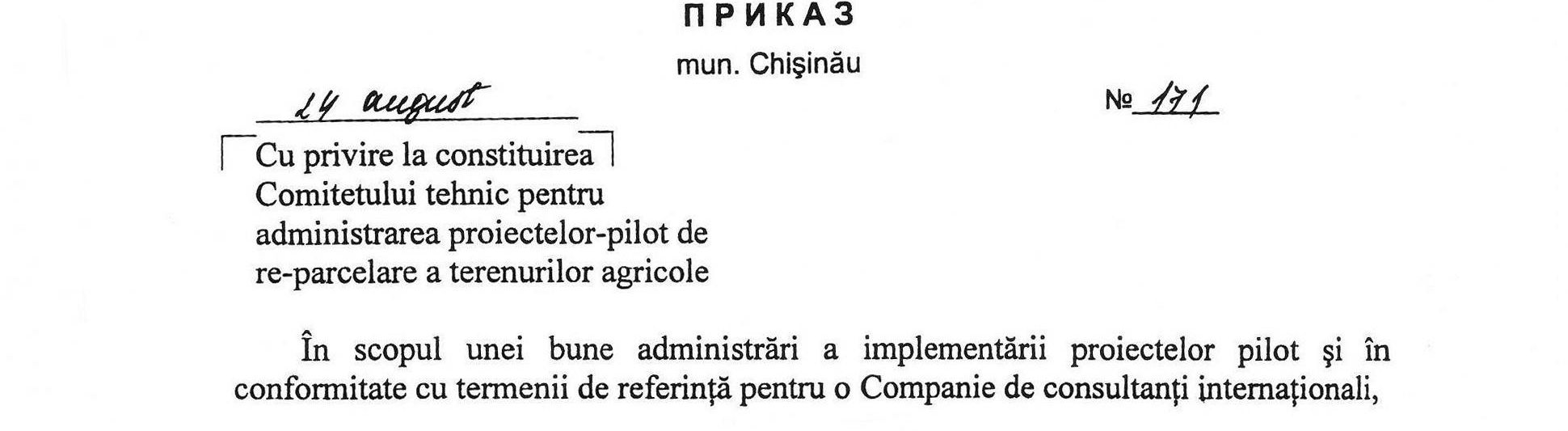
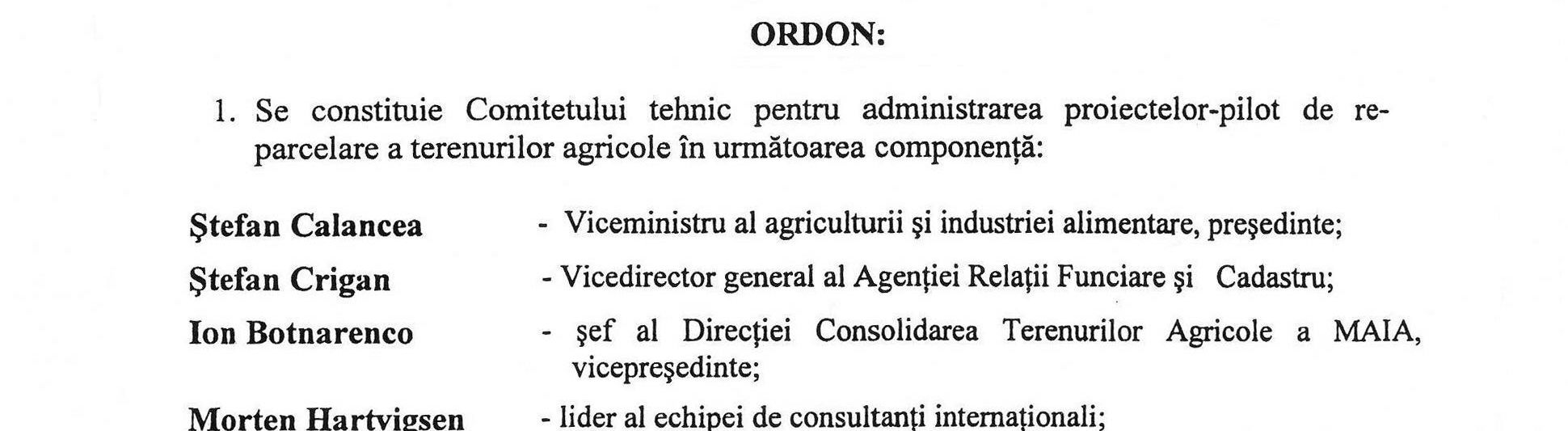
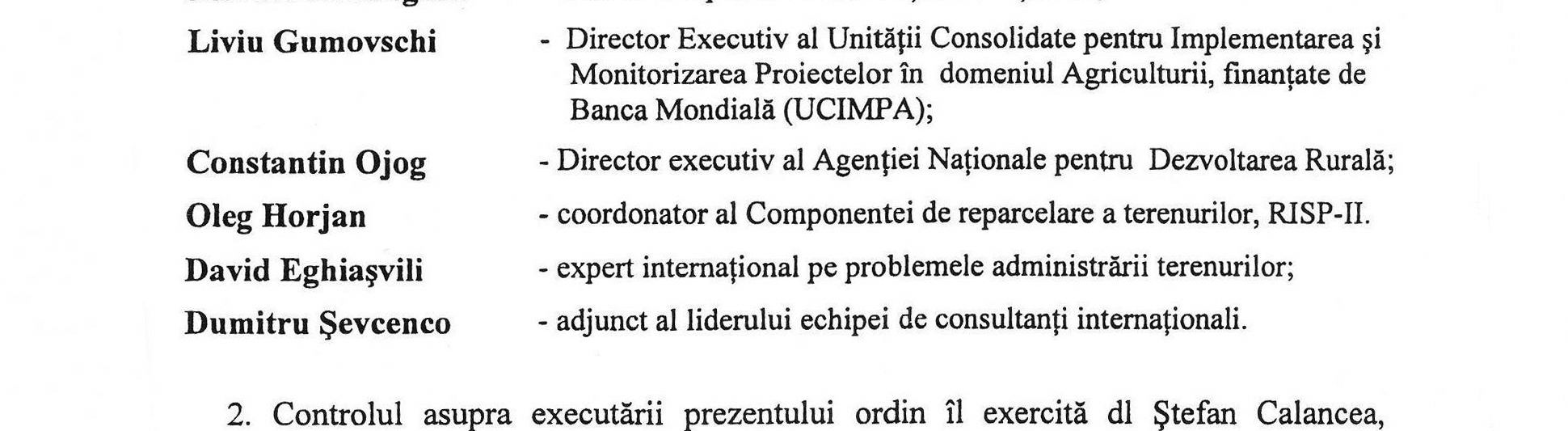

Anexa Rep 3
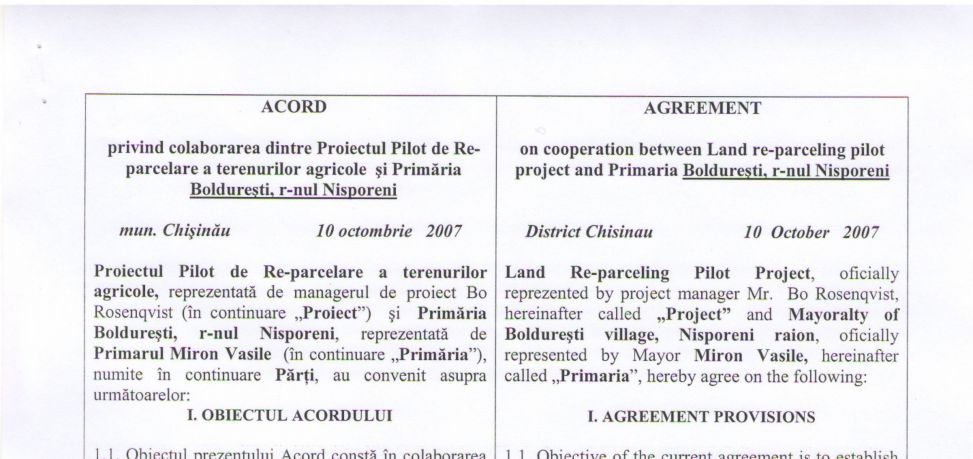
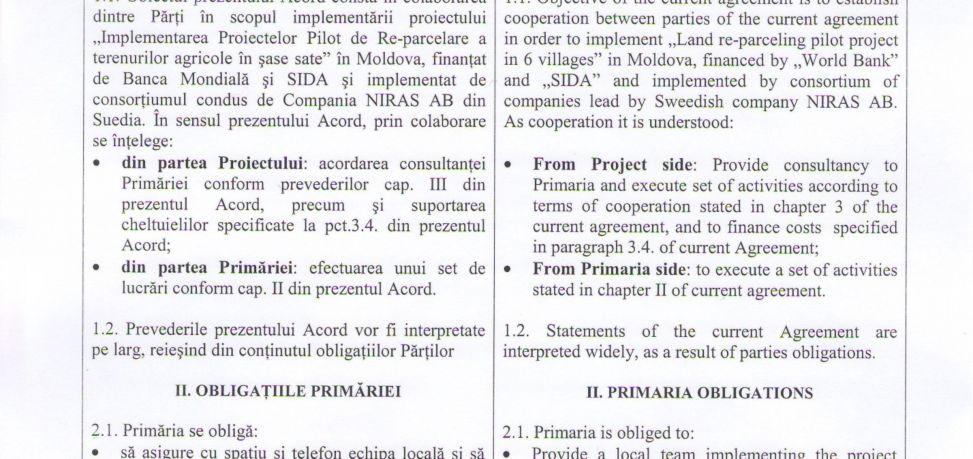
Anexa Rep 4
Anexa Rep 4

Anexa Rep 4
Document Outline